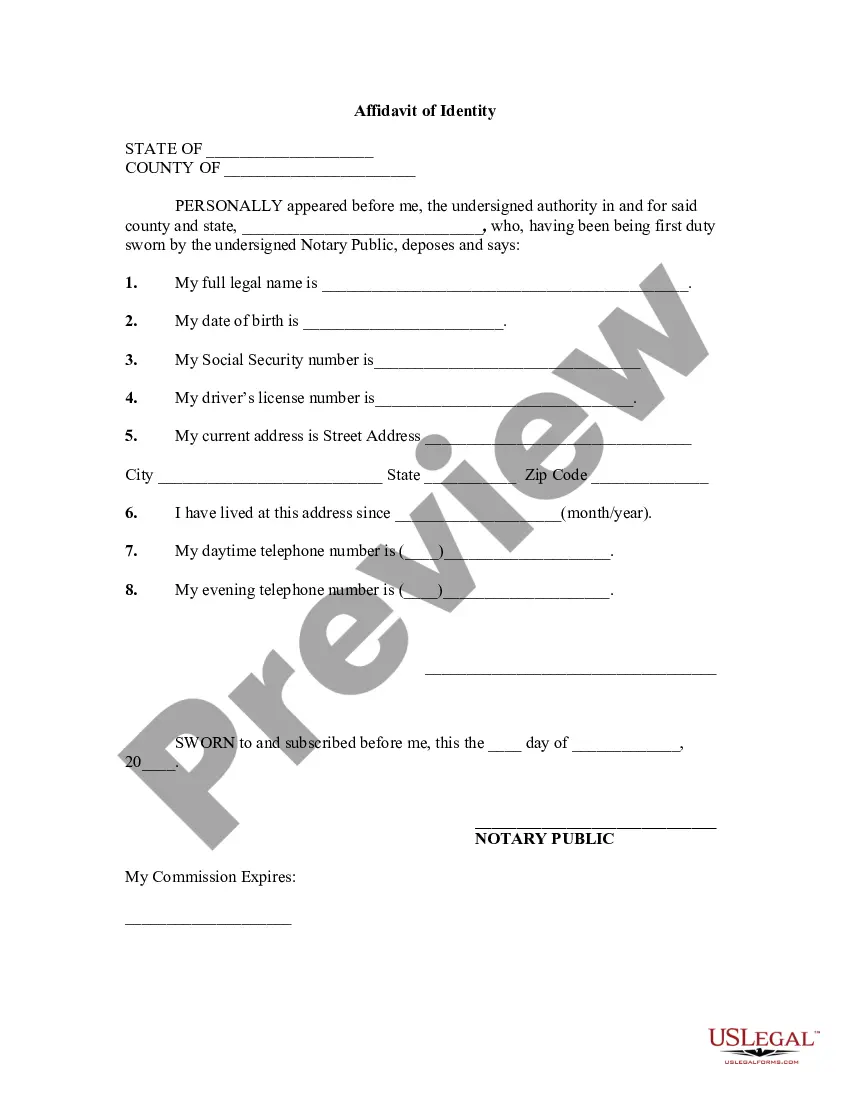
Notary Public Form Application Within Canada In Virginia
Description

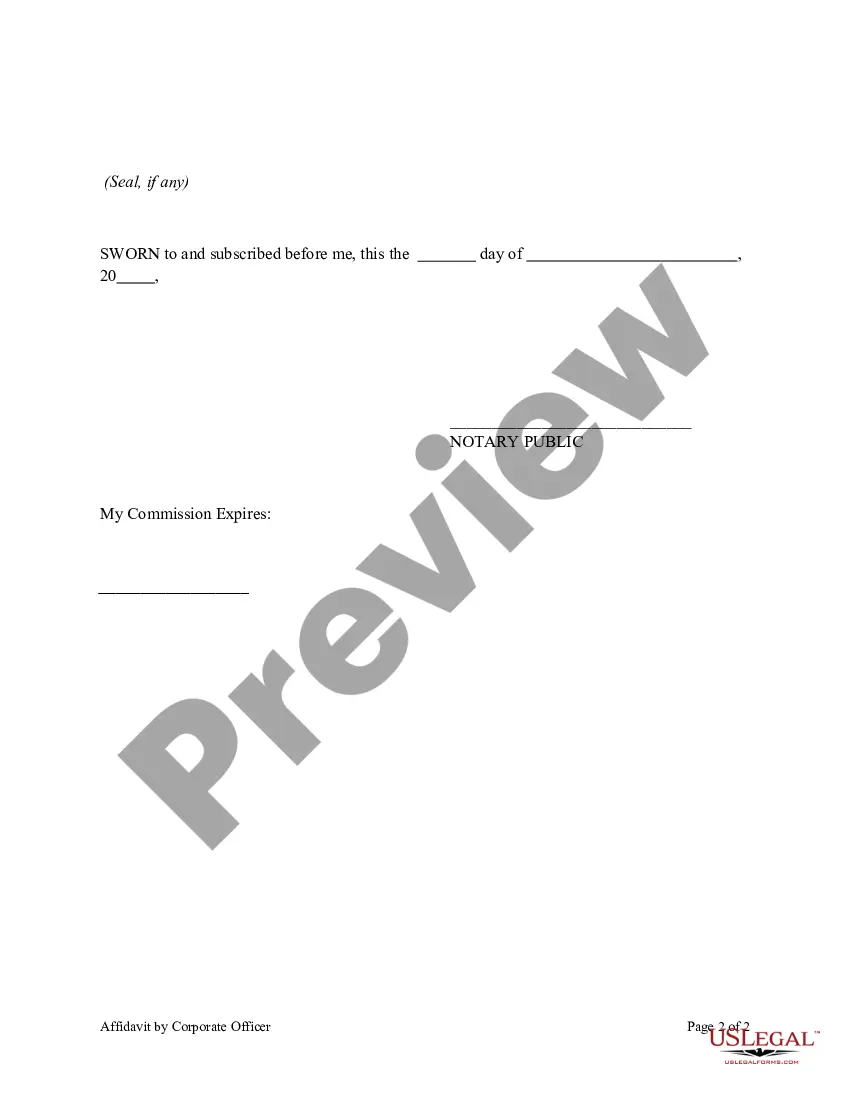
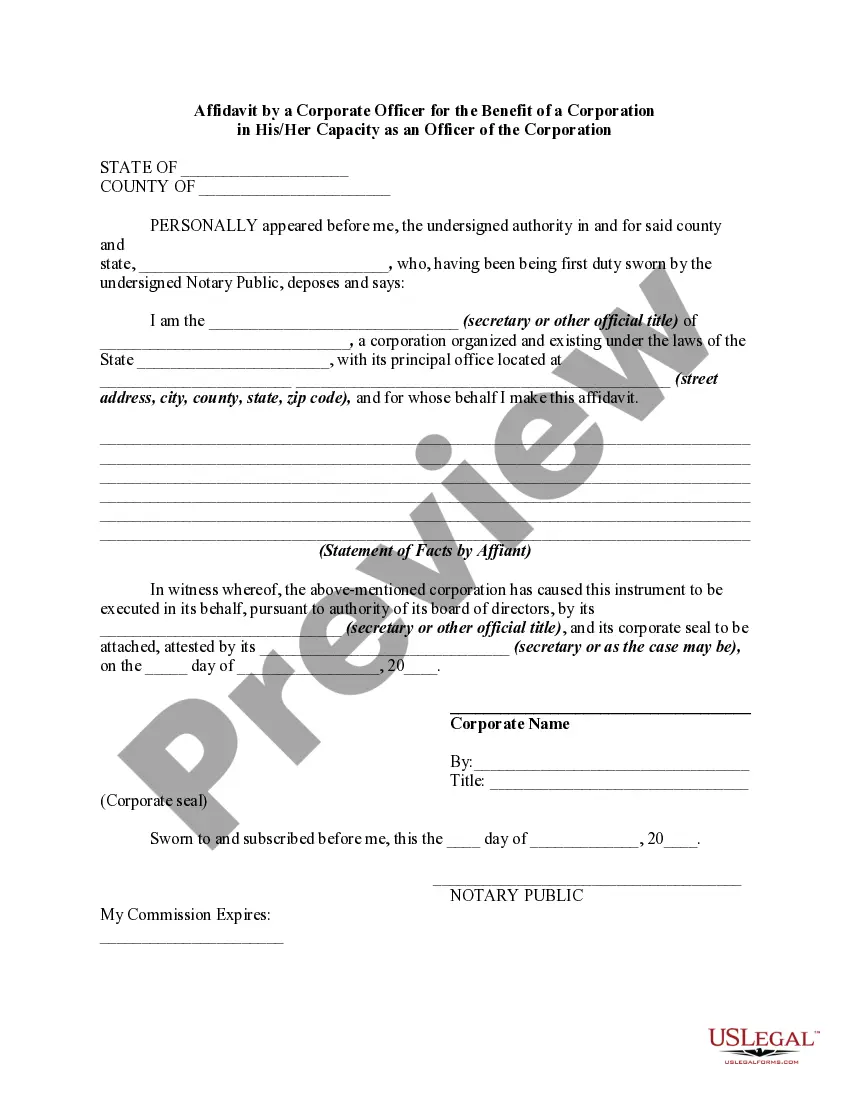
Get your form ready online
Our built-in tools help you complete, sign, share, and store your documents in one place.
Make edits, fill in missing information, and update formatting in US Legal Forms—just like you would in MS Word.
Download a copy, print it, send it by email, or mail it via USPS—whatever works best for your next step.
Sign and collect signatures with our SignNow integration. Send to multiple recipients, set reminders, and more. Go Premium to unlock E-Sign.
If this form requires notarization, complete it online through a secure video call—no need to meet a notary in person or wait for an appointment.
We protect your documents and personal data by following strict security and privacy standards.

Make edits, fill in missing information, and update formatting in US Legal Forms—just like you would in MS Word.

Download a copy, print it, send it by email, or mail it via USPS—whatever works best for your next step.

Sign and collect signatures with our SignNow integration. Send to multiple recipients, set reminders, and more. Go Premium to unlock E-Sign.

If this form requires notarization, complete it online through a secure video call—no need to meet a notary in person or wait for an appointment.

We protect your documents and personal data by following strict security and privacy standards.
Looking for another form?







Form popularity
FAQ
The easy answer: Yes, you may notarize out-of-state documents. You are allowed to notarize documents that are sent and /or recorded across state borders — provided, of course, that you are notarizing the document within the boundaries of your jurisdiction.
Consular officials at any U.S. embassy or consulate abroad can provide a service similar to the functions of a notary public in the United States. It is also possible to have a document notarized by a local foreign notary or local government official and then have the document authenticated by a U.S. consular officer.
The general answer is yes, Canadian notaries can notarize US documents - as long as the laws of the state in which you'll use the document allows this.
Please contact one of the following professionals to notarize or certify your documents: Notary public. Lawyer, Attorney-at-Law. Commissioner of Oaths. Designated official at a Canadian Embassy or Consulate or a designated official at an American or British Embassy or Consulate or High Commission.
A notary public is any individual who has received special authorization to certify document signatures from the state in which they operate. In addition to independently commissioned notaries, the following professions are also usually authorized to notarize documents within their state: Records clerk. Banker.
For any non-English document, the best option is to refer the signer to a Notary who reads and writes the language of the document. If that is not possible, the Notary should only proceed if the notarial certificate itself is in English or another language the Notary reads and writes.
The general answer is yes, Canadian notaries can notarize US documents - as long as the laws of the state in which you'll use the document allows this.
WDC Apostille & Legalization Services can assist Canadians in the USA via notarization of their original Canadian documents at the Embassy of Canada in Washington, DC. The notarization will be done by Canadian Consul acting in the legal capacity of a Canadian notary public.
In order to complete an online notarization in Germany, you will need the following: An original, unsigned document (Don't sign it before uploading! ... A computer, iPhone, or Android phone with audio and video capabilities. A valid government–issued photo ID. A U.S. social security number for secure identity verification.
(Also see “Remote Online Notarization” below for additional information.) Virginia Notaries may notarize a document inside or outside the Commonwealth if the document will be used in the Commonwealth or by the U.S. government (COV 47.1-13B, 47.1-13.1).
