Notary Public Certification On Resume In Travis
Description

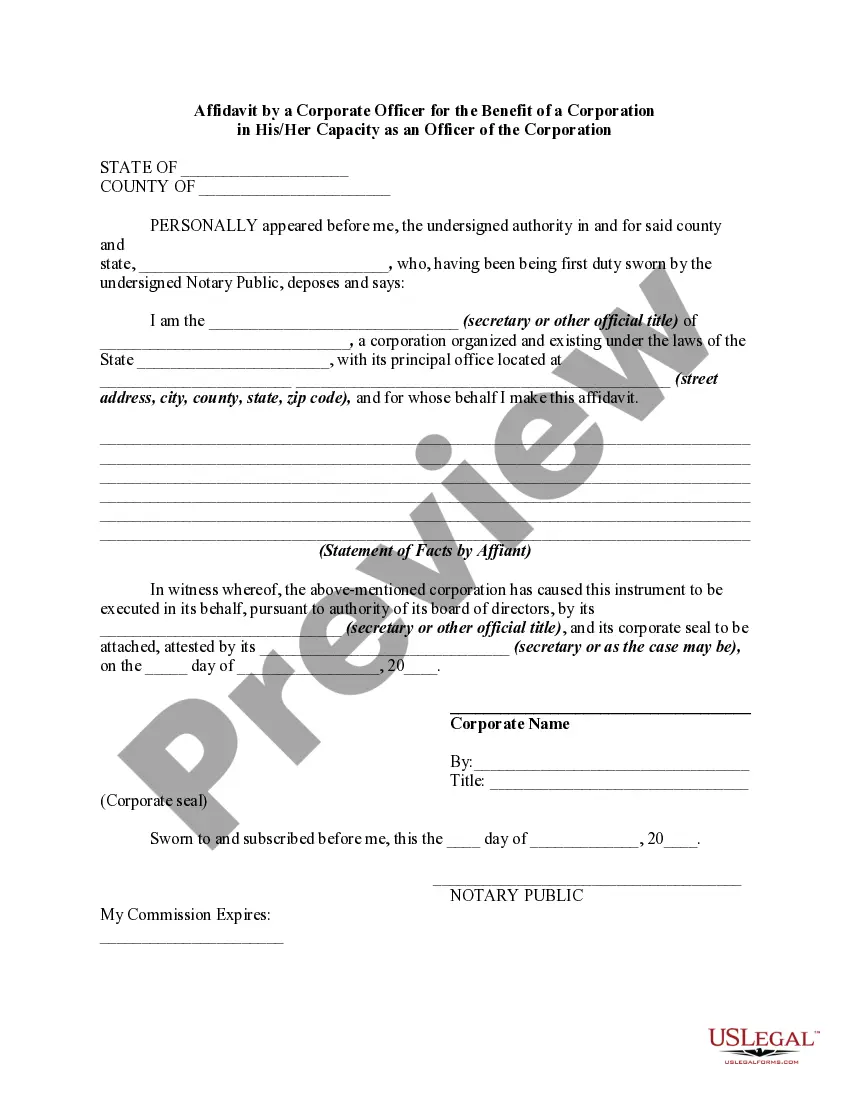
Get your form ready online
Our built-in tools help you complete, sign, share, and store your documents in one place.
Make edits, fill in missing information, and update formatting in US Legal Forms—just like you would in MS Word.
Download a copy, print it, send it by email, or mail it via USPS—whatever works best for your next step.
Sign and collect signatures with our SignNow integration. Send to multiple recipients, set reminders, and more. Go Premium to unlock E-Sign.
If this form requires notarization, complete it online through a secure video call—no need to meet a notary in person or wait for an appointment.
We protect your documents and personal data by following strict security and privacy standards.

Make edits, fill in missing information, and update formatting in US Legal Forms—just like you would in MS Word.

Download a copy, print it, send it by email, or mail it via USPS—whatever works best for your next step.

Sign and collect signatures with our SignNow integration. Send to multiple recipients, set reminders, and more. Go Premium to unlock E-Sign.

If this form requires notarization, complete it online through a secure video call—no need to meet a notary in person or wait for an appointment.

We protect your documents and personal data by following strict security and privacy standards.
Looking for another form?









Form popularity
FAQ
A notarized copy of a document and a certified true copy is the same. Although certified copies often refer to the copies of vital records and documents, such as birth certificates, which you can obtain only from the county clerk, the terms notarized and certified copies of documents are used interchangeably.
Like the training beforehand, the notary exam can usually be taken either in person or online. After taking and passing the exam, the state will provide you with a notary commission certificate and further instructions regarding the oath of office.
A regulation adopted by the New York Office of Information Services clarifies that Notaries performing notarial acts on electronic records must identify a signer and use an electronic signature that complies with regulations issued by the Department of State.
For each certification and license that you list on your resume include: The full name of the certification (any common abbreviation can be included in parentheses) The issuing organization (or state) The date you earned the certification. The location (if applicable and not implied by the issuer)
Agree with others here having a notary commission looks good on a resume; it also conveys an impression to prospective employers that you are serious about your work. I notarize documents almost weekly, and it's appreciated by all. Just one more tool in your kit to be professional about your job.
Certifications Section: Include your notary public certification prominently. Detail the state and year of certification to emphasize currency and compliance. Education Section: If you completed specific training required for the notary role, list details here to showcase dedication and expertise.
Depending on how you use notary services, you might categorize them as: Professional fees: For services involving specialized expertise that require a notary's skills. Legal expenses: If the notary is for legal documents or compliance matters that are critical to your operations.
Like the training beforehand, the notary exam can usually be taken either in person or online. After taking and passing the exam, the state will provide you with a notary commission certificate and further instructions regarding the oath of office.
How to apply Meet the requirements. To get a notary public license, you must be: At least 18 years old. Gather the necessary documents. Electronic copy of your notarized Oath of Office form. Electronic copy of your signed $10,000 surety bond. Submit your application. You can apply online or by mail.
To become an Arizona Notary Public, you must meet the following requirements: You must be an Arizona resident; You must be at least 18 years old; You must not have been convicted of a felony unless your civil rights have been restored.
