Notary Public Application Form Pdf In Texas
Description

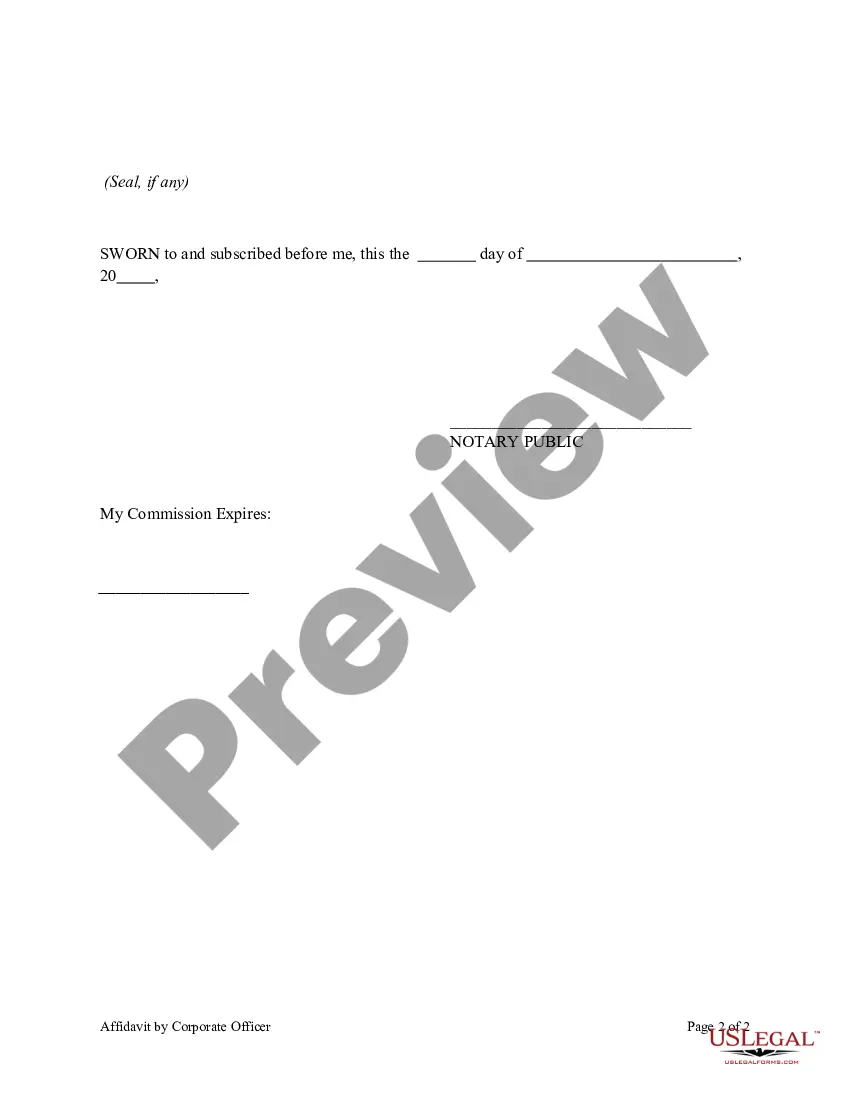
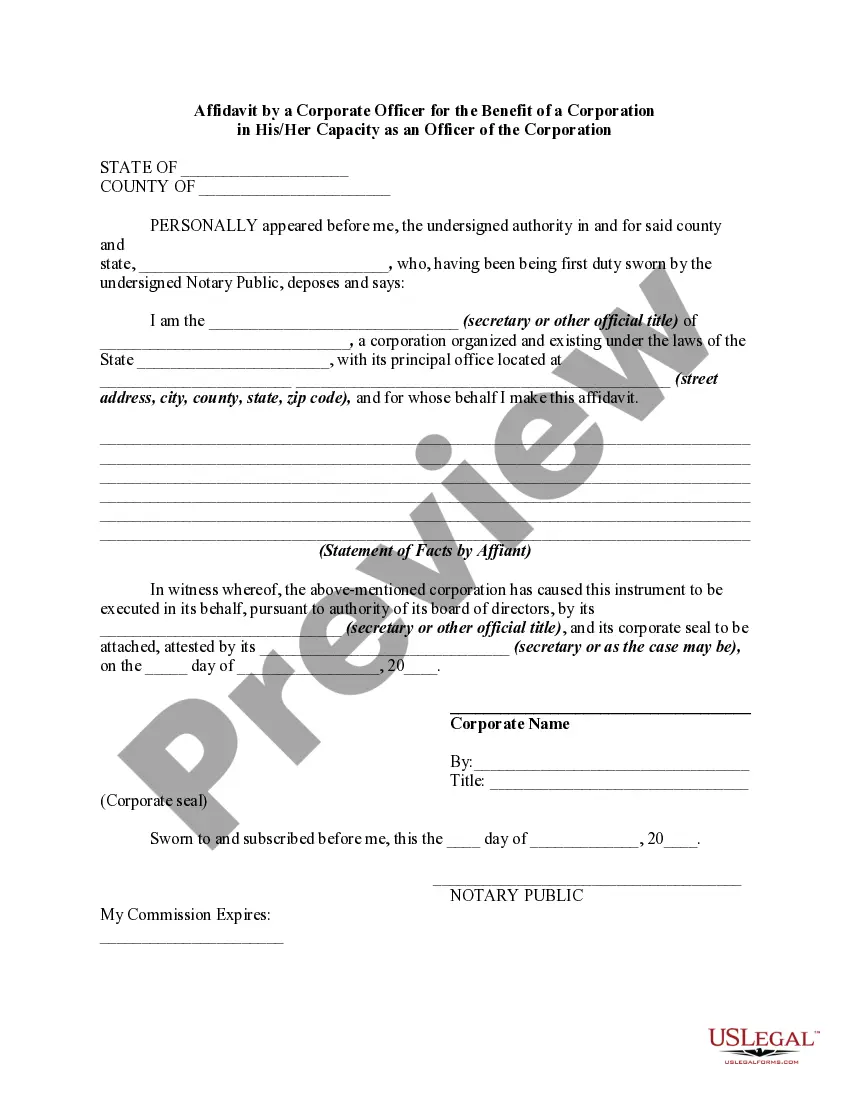
Get your form ready online
Our built-in tools help you complete, sign, share, and store your documents in one place.
Make edits, fill in missing information, and update formatting in US Legal Forms—just like you would in MS Word.
Download a copy, print it, send it by email, or mail it via USPS—whatever works best for your next step.
Sign and collect signatures with our SignNow integration. Send to multiple recipients, set reminders, and more. Go Premium to unlock E-Sign.
If this form requires notarization, complete it online through a secure video call—no need to meet a notary in person or wait for an appointment.
We protect your documents and personal data by following strict security and privacy standards.

Make edits, fill in missing information, and update formatting in US Legal Forms—just like you would in MS Word.

Download a copy, print it, send it by email, or mail it via USPS—whatever works best for your next step.

Sign and collect signatures with our SignNow integration. Send to multiple recipients, set reminders, and more. Go Premium to unlock E-Sign.

If this form requires notarization, complete it online through a secure video call—no need to meet a notary in person or wait for an appointment.

We protect your documents and personal data by following strict security and privacy standards.
Looking for another form?




Form popularity
FAQ
Here are the top twelve most common errors made by notaries: Making an Illegible Notary Stamp Impression. Improper Storage of Your Notary Stamp and Journal. Not Determining the Signer's Competency and Willingness to Sign. Notarizing for Close Relatives. Failing to Remain Properly Trained.
One of the most common mistakes that notaries make is not printing or signing their name exactly as it appears on their notary commission.
Acknowledgement and jurat certificates are the two most common notarial acts, yet, for many signers, there is confusion about the difference between these forms. Some notaries even find it difficult to remember which procedures apply to which certificate.
Given under my hand and seal of office this day of , (year). This instrument was acknowledged before me on (date) by (name or names of person or persons acknowledging). This instrument was acknowledged before me on (date) by (name of attorney-in- fact) as attorney-in-fact on behalf of (name of principal).
Every entry in a Texas Notary Public Recordbook is required to contain: The date of the document being signed. The date the notarization occurred. Brief description of the document. The name of the signer (or person who's signature or mark you are notarizing) The address of the signer.
Before me, the undersigned, a Notary Public in and for the State of Texas, on this day personally appeared name , title of corporation name , known to me to be the person whose name is subscribed to the foregoing instrument, and acknowledged to me that he/she executed it as the act of corporation name , ...
+ How long should I keep my record book? A notary is required to keep, in a safe and secure manner, copies of the records of notarizations performed for the longer of: 1) the term of the commission in which the notarization occurred; or 2) three years following the date of notarization.
Copies and Certificates Online using SOSDirect. Instructions for ordering using SOSDirect. By email: corpcert@sos.texas. By mail: Certifying Team. Secretary of State. P. O. Box 13697. Austin, Texas 78711-3697.
In Texas, Notaries may only certify a copy if the original document cannot be recorded with a specific government entity, such as the Secretary of State's office, a court of law, or a county clerk. Any document that can potentially be recorded with an agency cannot be copy-certified.
