Notary Application Alabama For Georgia In Texas
Description

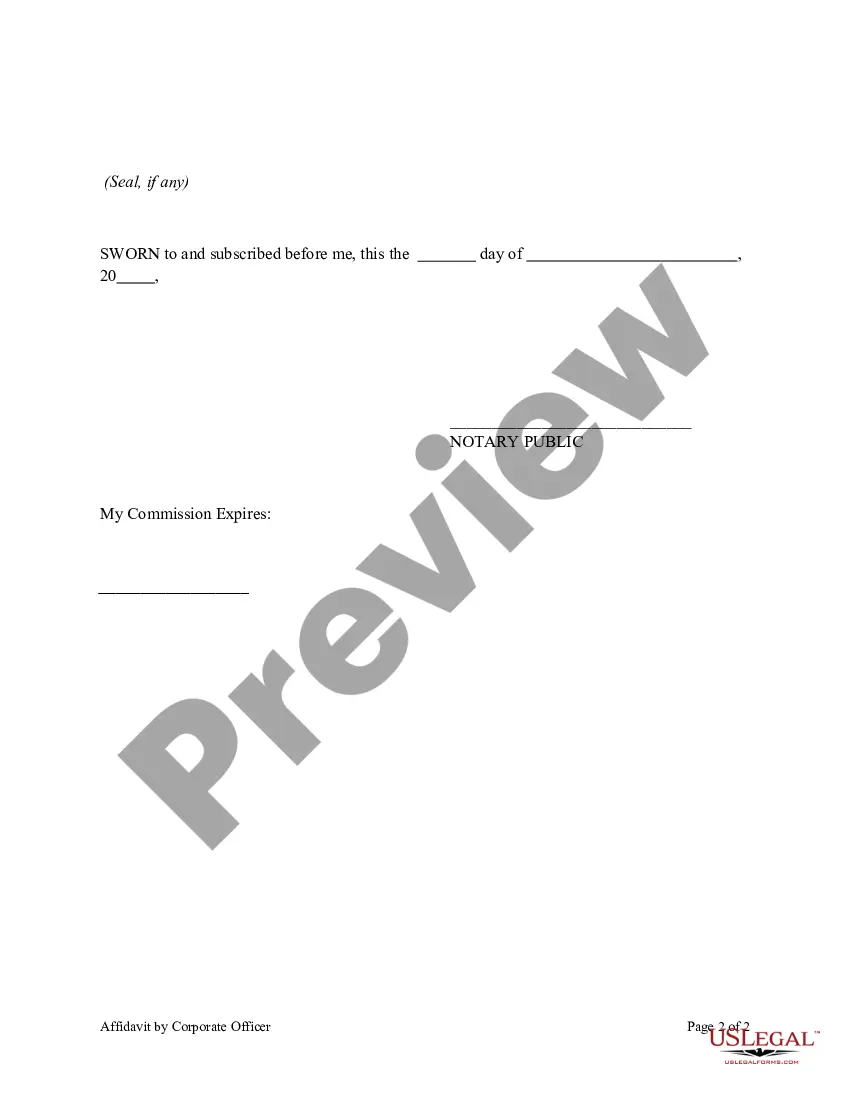
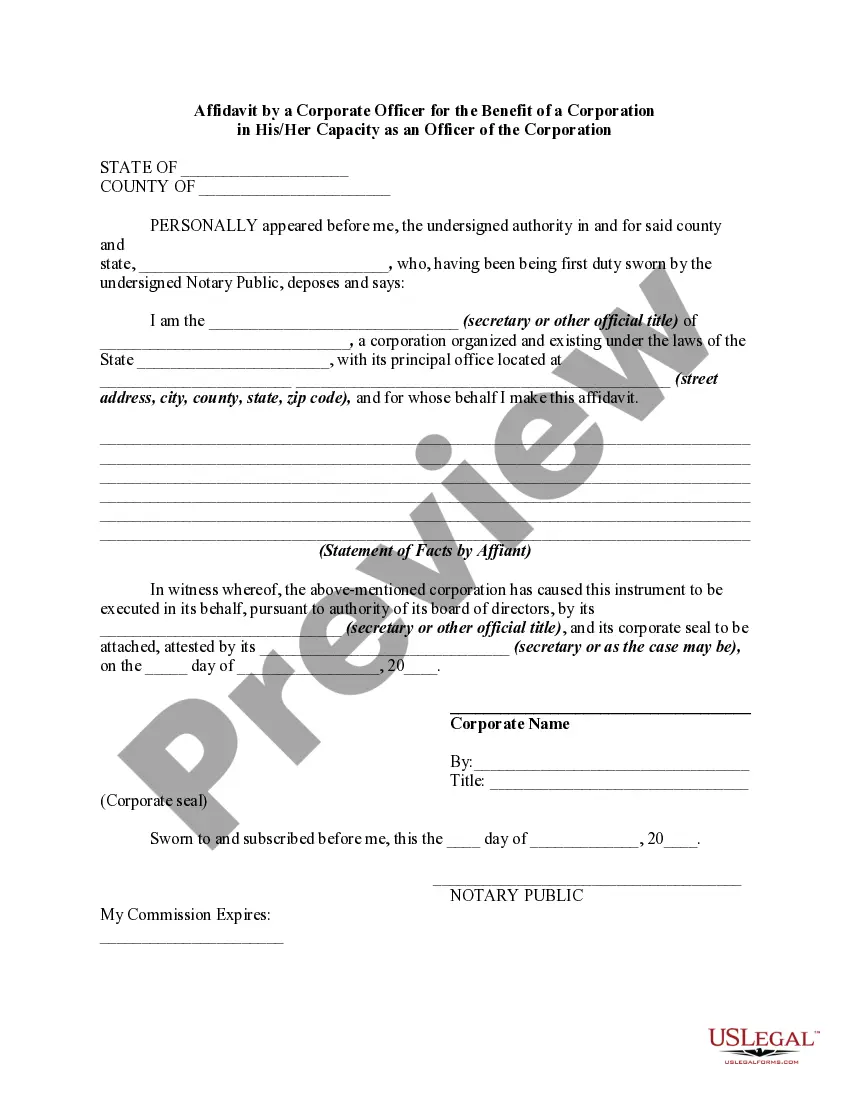
Get your form ready online
Our built-in tools help you complete, sign, share, and store your documents in one place.
Make edits, fill in missing information, and update formatting in US Legal Forms—just like you would in MS Word.
Download a copy, print it, send it by email, or mail it via USPS—whatever works best for your next step.
Sign and collect signatures with our SignNow integration. Send to multiple recipients, set reminders, and more. Go Premium to unlock E-Sign.
If this form requires notarization, complete it online through a secure video call—no need to meet a notary in person or wait for an appointment.
We protect your documents and personal data by following strict security and privacy standards.

Make edits, fill in missing information, and update formatting in US Legal Forms—just like you would in MS Word.

Download a copy, print it, send it by email, or mail it via USPS—whatever works best for your next step.

Sign and collect signatures with our SignNow integration. Send to multiple recipients, set reminders, and more. Go Premium to unlock E-Sign.

If this form requires notarization, complete it online through a secure video call—no need to meet a notary in person or wait for an appointment.

We protect your documents and personal data by following strict security and privacy standards.
Looking for another form?






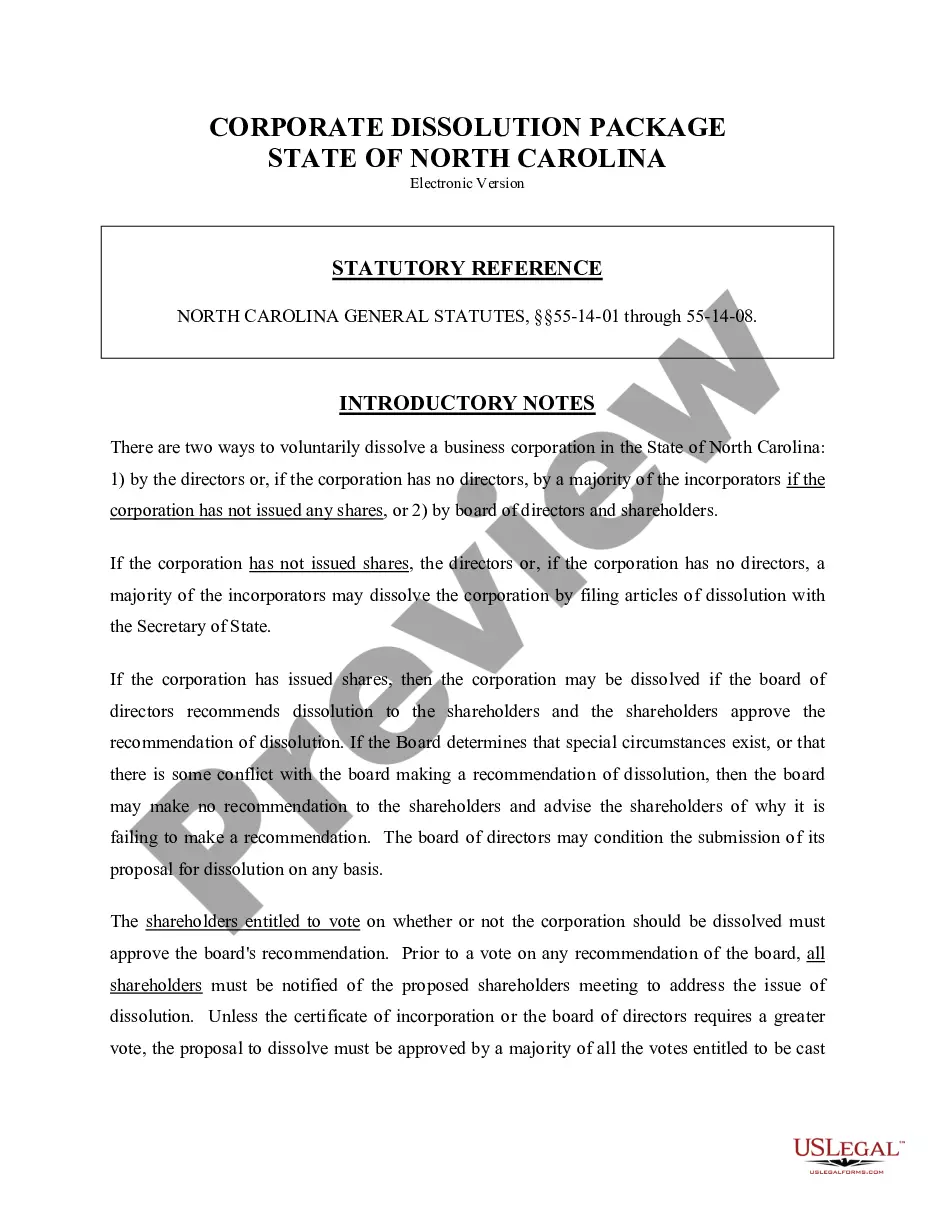

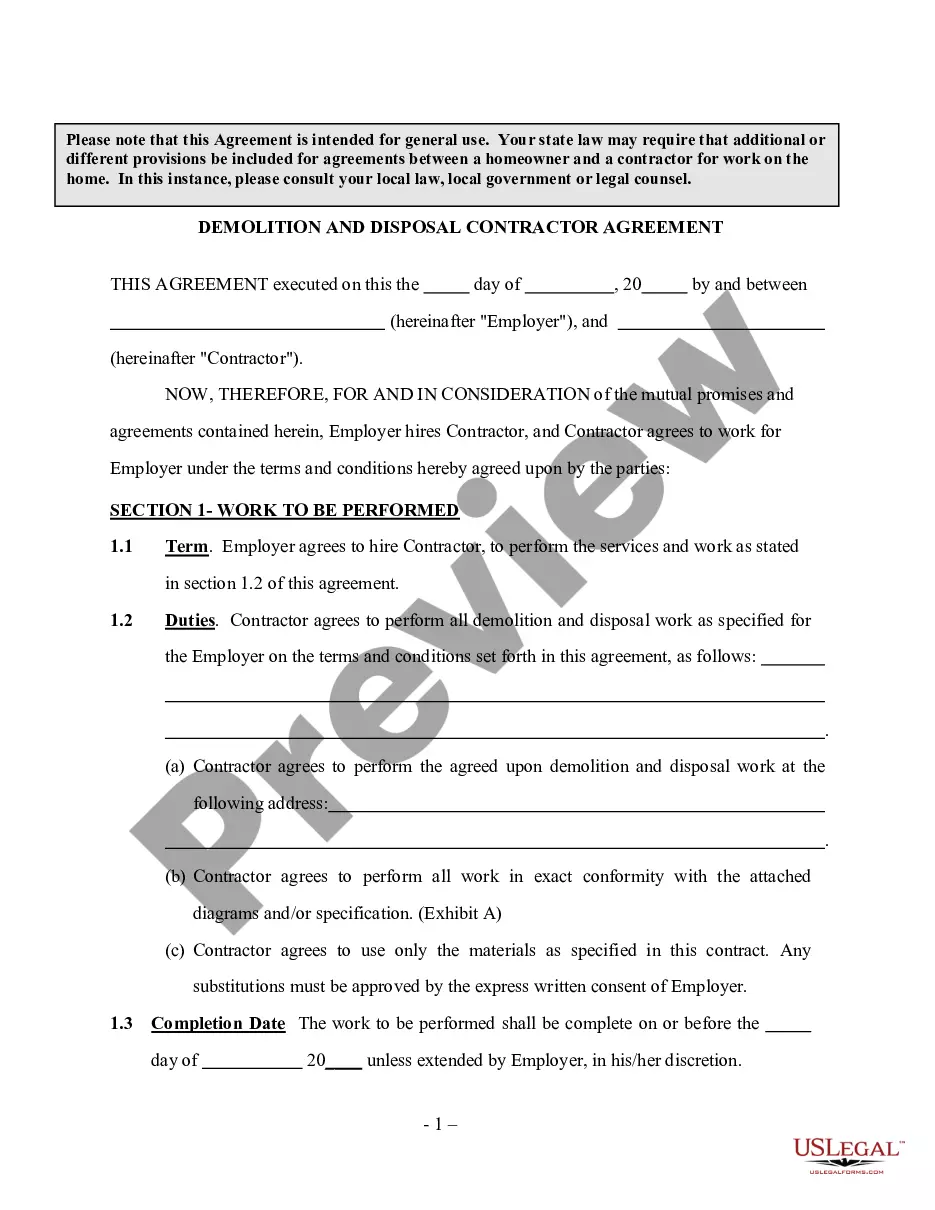

Form popularity
FAQ
The short answer is yes, notary publics are legally allowed to notarize documents from any state as long the notarial act is conducted within the geographical boundaries of the notary's state of commission.
One of the most common mistakes that notaries make is not printing or signing their name exactly as it appears on their notary commission.
Yes, a notary can legally notarize out-of-state documents as long as they are acting within the boundaries of their jurisdiction and in ance with all local state requirements.
Yes, a notary can legally notarize out-of-state documents as long as they are acting within the boundaries of their jurisdiction and in ance with all local state requirements.
It is also possible to have a document notarized by a local foreign notary and then have the document authenticated for use in the United States. In countries that are party to the Hague Apostille Convention, this is a simplified process.
Beginning September 1, 2023, the law sets minimum application requirements and mandates that both new and renewal applicants complete a pre-commission training program prepared by the Alabama Probate Judges Association and the Alabama Law Institute.
In order for a Texas notary public to perform an online notarization, the notary must be physically located within the boundaries of Texas at the time of notarization. However, the signing party (or principal) may be located anywhere.
Starting January 1, 2025, Georgia's notaries public must comply with new provisions enacted by House Bill 1292. The law introduces updates to the obligations of notaries, focusing on journal-keeping, identity verification, and training requirements.
Generally, crimes involving dishonesty, fraud, or moral turpitude would disqualify someone from being a notary public. All states bar those with felonies from becoming a notary public.
