Notary Public Application Form Online In Queens
Description

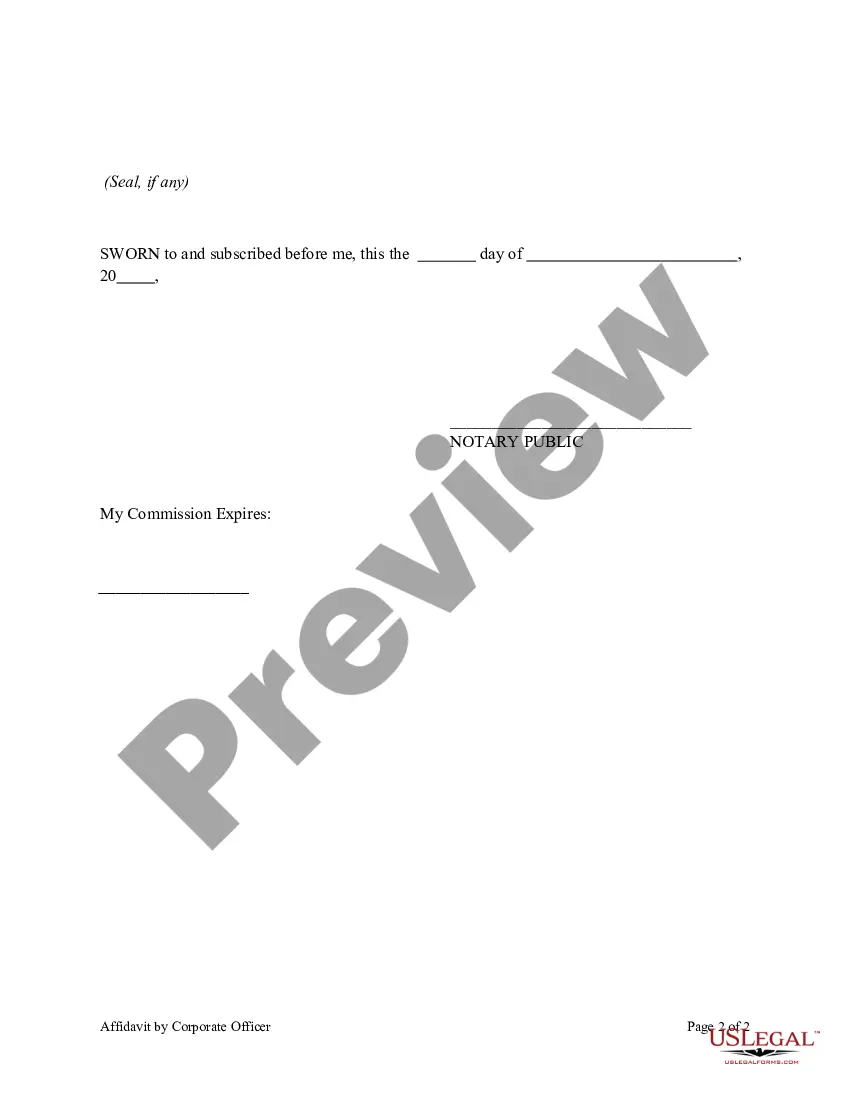
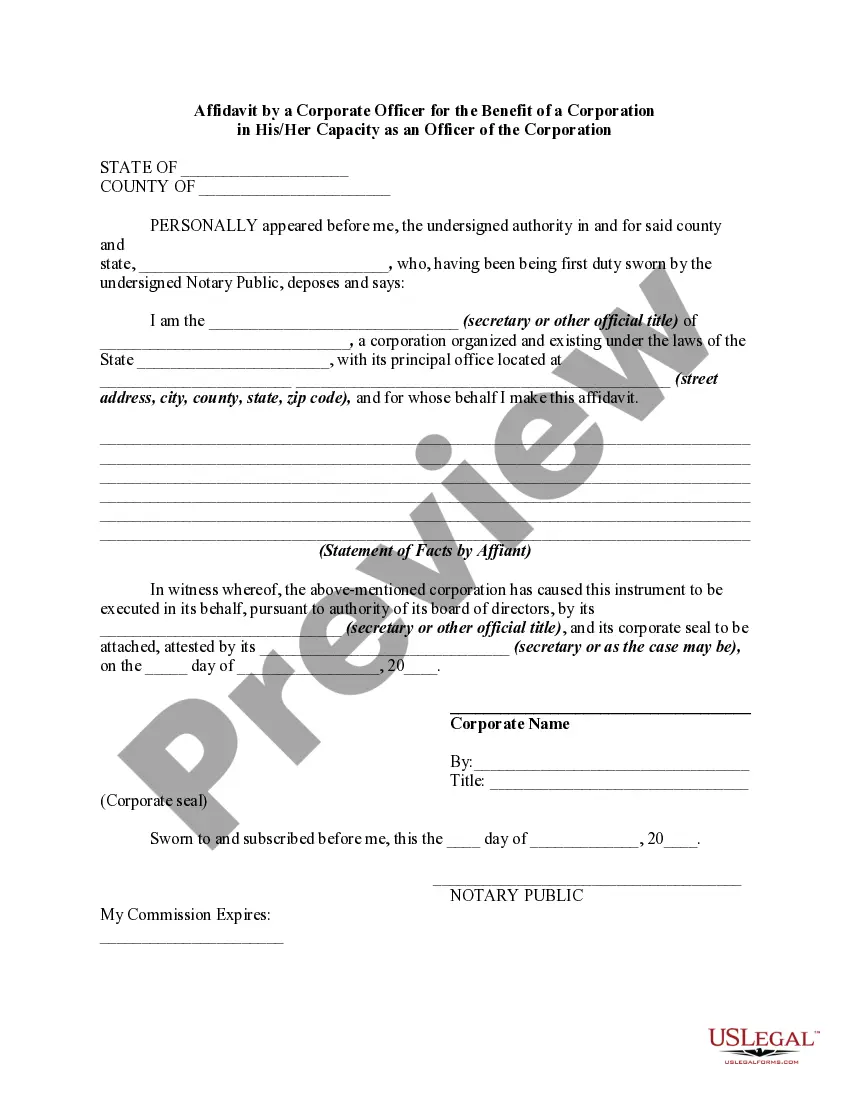
Get your form ready online
Our built-in tools help you complete, sign, share, and store your documents in one place.
Make edits, fill in missing information, and update formatting in US Legal Forms—just like you would in MS Word.
Download a copy, print it, send it by email, or mail it via USPS—whatever works best for your next step.
Sign and collect signatures with our SignNow integration. Send to multiple recipients, set reminders, and more. Go Premium to unlock E-Sign.
If this form requires notarization, complete it online through a secure video call—no need to meet a notary in person or wait for an appointment.
We protect your documents and personal data by following strict security and privacy standards.

Make edits, fill in missing information, and update formatting in US Legal Forms—just like you would in MS Word.

Download a copy, print it, send it by email, or mail it via USPS—whatever works best for your next step.

Sign and collect signatures with our SignNow integration. Send to multiple recipients, set reminders, and more. Go Premium to unlock E-Sign.

If this form requires notarization, complete it online through a secure video call—no need to meet a notary in person or wait for an appointment.

We protect your documents and personal data by following strict security and privacy standards.
Looking for another form?










Form popularity
FAQ
One of the most common mistakes that notaries make is not printing or signing their name exactly as it appears on their notary commission.
Key elements of notarized documents include the notary's signature and seal, acknowledgment section, jurisdiction information, date and venue, and the signer's identification. These elements confirm the document's authenticity and secure its use in legal proceedings, providing trust and protecting against fraud.
While the language varies depending on the type of notarization and the law of the state in which you are commissioned, the main body of a certificate will require you to note the date of the notarization, the name of the signer appearing before you, and your official name as the Notary.
A notarized letter or document is certified by a notary public, a licensed public officer who serves as an impartial witness to the signing of documents and establishes the authenticity of the signatures. A notary's signature and seal are required to authenticate the signature on your letter or legal document.
Currently, the New York notary exam is not available online. All candidates must take the exam in person as required by the New York Department of State.
New York allows electronic Notaries to perform the following acts remotely: Taking acknowledgments and proofs. Administering oaths and affirmations. Taking affidavits and depositions.
The most common place to get papers notarized is at a bank. You could call your bank to make sure they offer that. The second thing is, the mom would have to be there and sign the paper in front of the notary. You can't have someone just sign the paper, it has to be face to face to be valid.
Notarizing your own documents is prohibited in all 50 states. This means that a notary cannot legally notarize their own documents.
It can take between six to eight weeks to become a NY remote online Notary with most of that time spent on getting your traditional commission. Once you're commissioned, the registration process is relatively quick.
