Notary Affidavit For Oci In Orange
Description

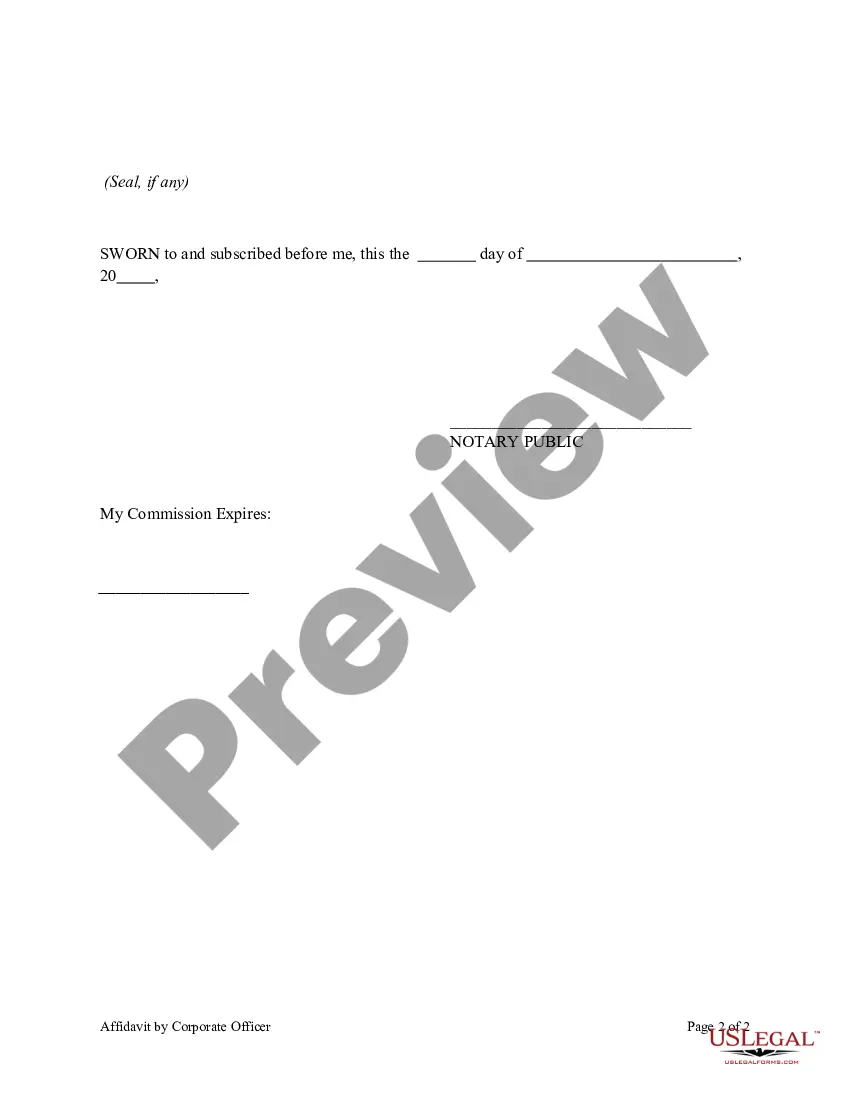
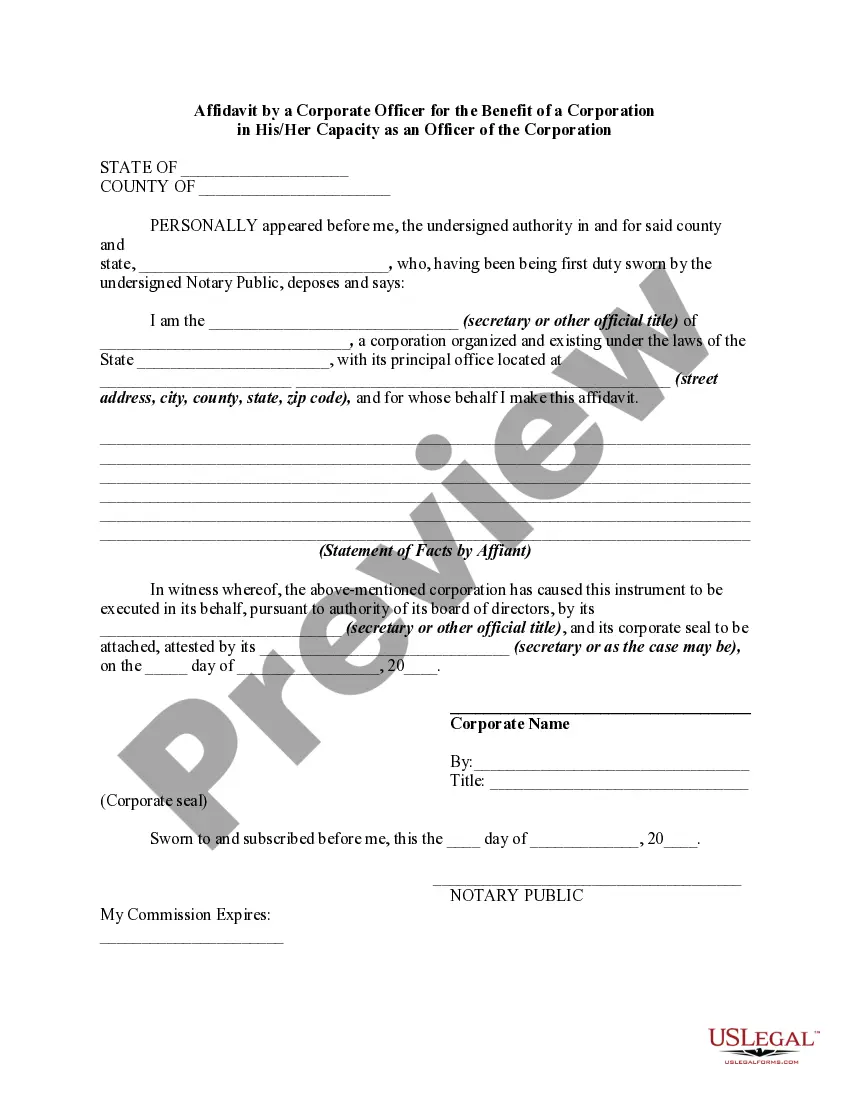
Get your form ready online
Our built-in tools help you complete, sign, share, and store your documents in one place.
Make edits, fill in missing information, and update formatting in US Legal Forms—just like you would in MS Word.
Download a copy, print it, send it by email, or mail it via USPS—whatever works best for your next step.
Sign and collect signatures with our SignNow integration. Send to multiple recipients, set reminders, and more. Go Premium to unlock E-Sign.
If this form requires notarization, complete it online through a secure video call—no need to meet a notary in person or wait for an appointment.
We protect your documents and personal data by following strict security and privacy standards.

Make edits, fill in missing information, and update formatting in US Legal Forms—just like you would in MS Word.

Download a copy, print it, send it by email, or mail it via USPS—whatever works best for your next step.

Sign and collect signatures with our SignNow integration. Send to multiple recipients, set reminders, and more. Go Premium to unlock E-Sign.

If this form requires notarization, complete it online through a secure video call—no need to meet a notary in person or wait for an appointment.

We protect your documents and personal data by following strict security and privacy standards.
Looking for another form?








Form popularity
FAQ
California requires its Notaries to keep all completed journals as long as they maintain a current Notary commission. California Notaries whose commissions end without being renewed must turn in their journals within 30 days to the county clerk's office where their oath of office is on file.
If you plan to continue being a Notary, keep your completed journals under your direct and exclusive control. If you plan to resign your commission, deliver all of your journals to the county clerk's office in which your current oath is on file within 30 days of the resignation.
California Notary Journal Requirements Date, time and type of each official act (notarization) Character of every instrument sworn to, affirmed, acknowledged or proved before the notary (e.g., Deed of trust) The signature of each person whose signature is being notarized.
To resign your commission, you will need to complete and mail the Notary Resignation form to the Secretary of State and deliver all of your notarial records and papers to the county in which your current oath of office is on file within 30 days and destroy your seal. (California Government Code section 8209.)
- Notarized valid Green Card - FRONT AND BACK OR - Notarized valid EAD - FRONT AND BACK OR - Notarized valid I-797A Approval Notice, OR - Notarized valid Work permit/Study Permit, OR - Notarized recently expired Visa and notarize I-797A Approval notice together with notarized I797C Receipt Notice for filing of a ...
You create a written statement detailing the facts you're swearing to. Next, find a notary, verify your identity, sign the document in their presence, and watch them do their notary magic. Boom – notarized affidavit.
Note: Upon expiration or resignation of your commission, do not deliver your notary public journal to the California Secretary of State's office. California law requires you to deliver your journal to the county clerk's office in the county where your oath is filed. Your notary public seal(s) should be destroyed.
Become a Notary Public be 18 years of age or older (there is no maximum age set by statute) be a legal California resident. complete a course of study approved by the Secretary of State. satisfactorily complete and pass a written examination prescribed by the Secretary of State. clear a background check.
California. California has some of the most stringent application requirements for Notaries in the U.S. — including a required education course and background check — and the mandatory exam is among the most challenging in any state.
