Notary Affidavit For Address Proof In North Carolina
Description

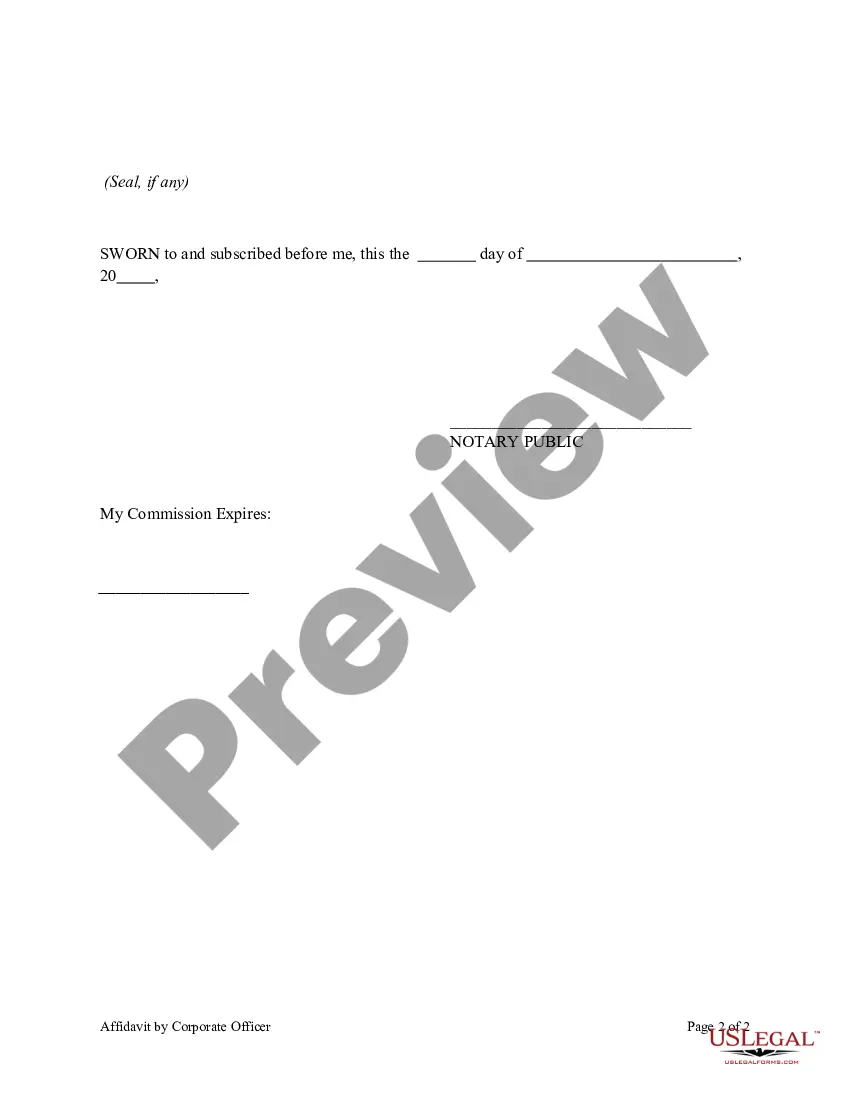
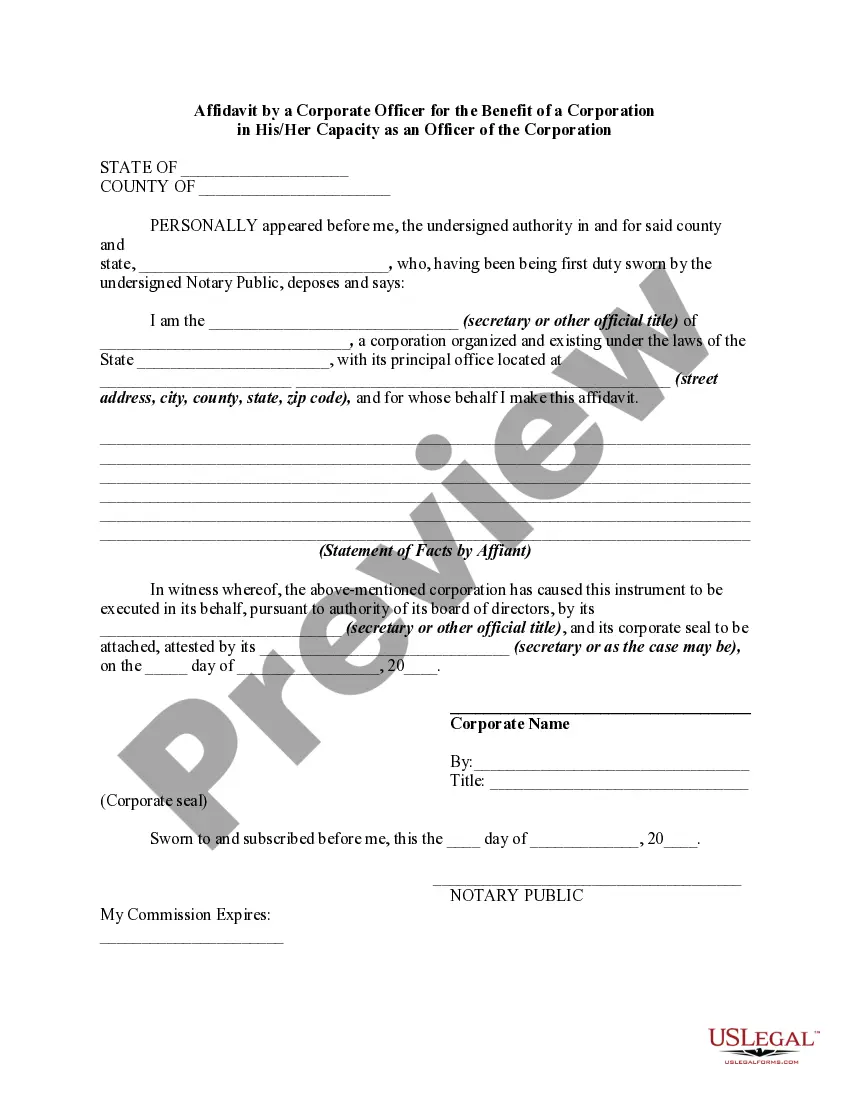
Get your form ready online
Our built-in tools help you complete, sign, share, and store your documents in one place.
Make edits, fill in missing information, and update formatting in US Legal Forms—just like you would in MS Word.
Download a copy, print it, send it by email, or mail it via USPS—whatever works best for your next step.
Sign and collect signatures with our SignNow integration. Send to multiple recipients, set reminders, and more. Go Premium to unlock E-Sign.
If this form requires notarization, complete it online through a secure video call—no need to meet a notary in person or wait for an appointment.
We protect your documents and personal data by following strict security and privacy standards.

Make edits, fill in missing information, and update formatting in US Legal Forms—just like you would in MS Word.

Download a copy, print it, send it by email, or mail it via USPS—whatever works best for your next step.

Sign and collect signatures with our SignNow integration. Send to multiple recipients, set reminders, and more. Go Premium to unlock E-Sign.

If this form requires notarization, complete it online through a secure video call—no need to meet a notary in person or wait for an appointment.

We protect your documents and personal data by following strict security and privacy standards.
Looking for another form?









Form popularity
FAQ
Practice Tip: Do not ask a Notary Public to certify that something is a true copy of a document. The reason is that certifying true copies is not something North Carolina law allows notaries public to do.
Each affidavit must contain the full name and address of the person making the affidavit; date and place of birth of the person making the affidavit; and complete information and details explaining how the person acquired his or her knowledge of your marriage.
Crafting a Strong Affidavit of Residence Begin by clearly stating your purpose. Provide your full legal name as it appears on official documents like your driver's license. Include your complete and accurate current residential address. State how long you have lived at the declared address.
N.C. Gen. Stat. § 10B-60 (d) provides that a notary will be guilty of a Class one felony if the notary does any of the following: Takes an acknowledgment or verification or proof, or administers an oath or affirmation if the notary knows it is false or fraudulent.
Step 1: Decide what the title of your affidavit will be. Step 2: Put the name and personal background information of the person giving the information in the first paragraph. Step 3: Write an opening sentence in the first person tense. Step 4: Make an outline of the information given or state the facts of the case.
How to prepare an affidavit? Speak in the first person. This personalizes your affidavit, giving your personal account and testimony. Remain concise. Keeping your message as short as possible helps you to clearly communicate your message, and can make it more impactful. Restate your claims. Notarize your affidavit.
I ____ (Applicant Name as per id proof), residing at _______(Address as per address proof) do solemnly affirm and stated as under: I am _____ and my name _______, appearing on the enclosed ID proof, is single name. My father's name is ________________.
We have a signed affidavit stating that the two men were seen entering the building. The claims in the affidavit have not been proven in court.
I, _____________________________, a Notary Public of County, , certify that ____________________________, personally appeared before me this day, and being duly sworn, stated that in his presence ________________________ (signed) (acknowledged the execution of) the foregoing instrument.
Is Online Notarization Legal in North Carolina? Answer: Yes. Remote Online Notarization is legal in North Carolina counties for notaries that are commissioned for online notarization. Remote Online Notarization services will not become effective prior to July 1, 2023 for North Carolina Notaries.
