Notary Application For Tennessee In Nassau
Description

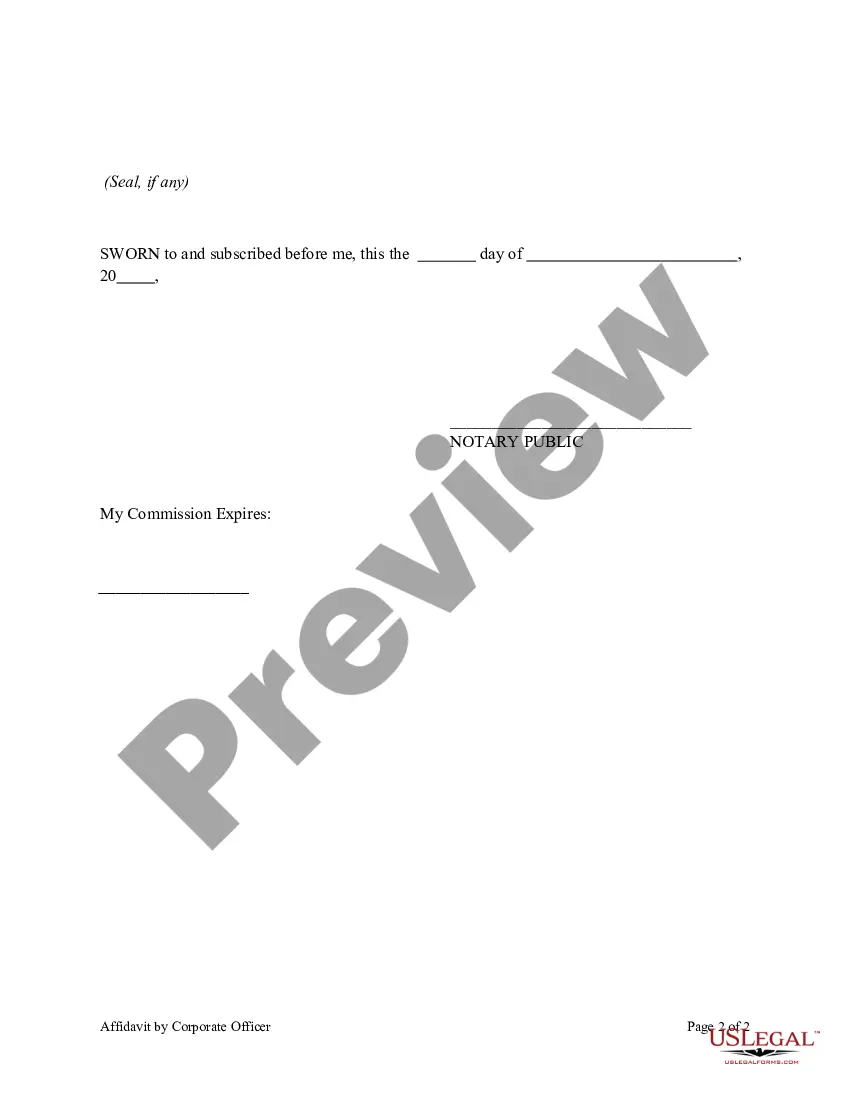
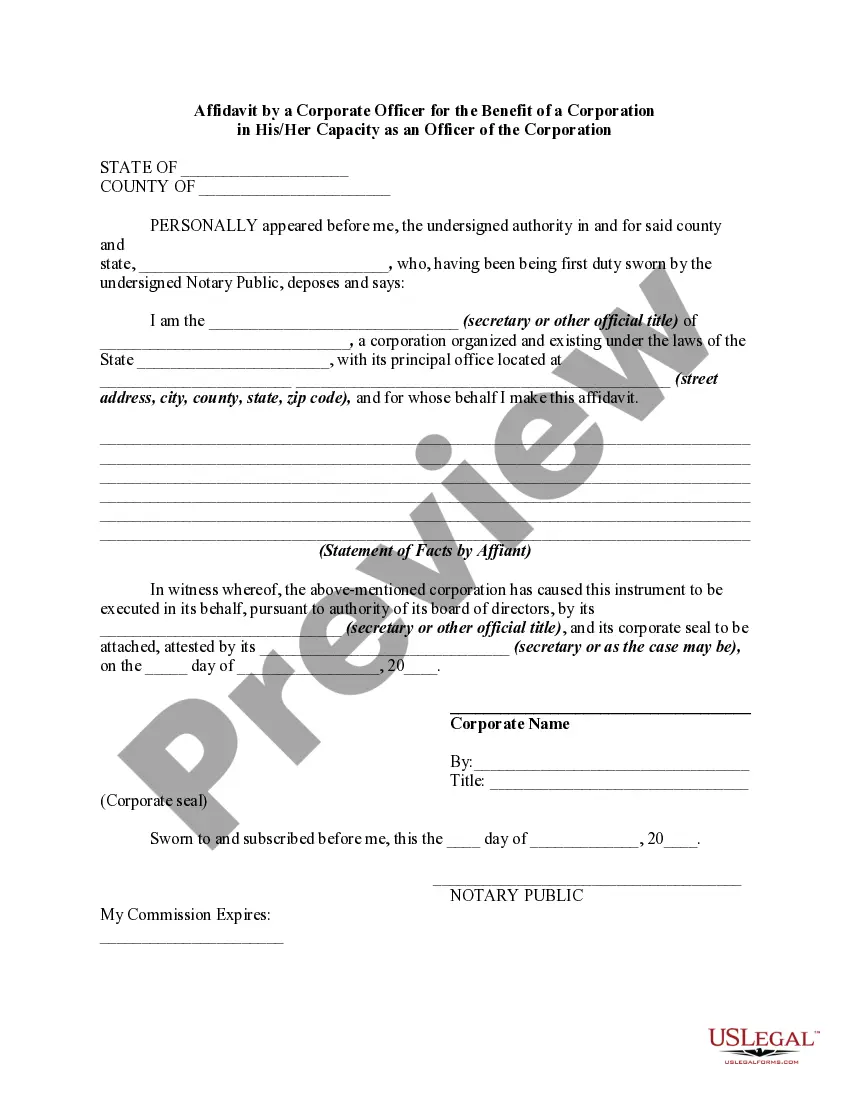
Get your form ready online
Our built-in tools help you complete, sign, share, and store your documents in one place.
Make edits, fill in missing information, and update formatting in US Legal Forms—just like you would in MS Word.
Download a copy, print it, send it by email, or mail it via USPS—whatever works best for your next step.
Sign and collect signatures with our SignNow integration. Send to multiple recipients, set reminders, and more. Go Premium to unlock E-Sign.
If this form requires notarization, complete it online through a secure video call—no need to meet a notary in person or wait for an appointment.
We protect your documents and personal data by following strict security and privacy standards.

Make edits, fill in missing information, and update formatting in US Legal Forms—just like you would in MS Word.

Download a copy, print it, send it by email, or mail it via USPS—whatever works best for your next step.

Sign and collect signatures with our SignNow integration. Send to multiple recipients, set reminders, and more. Go Premium to unlock E-Sign.

If this form requires notarization, complete it online through a secure video call—no need to meet a notary in person or wait for an appointment.

We protect your documents and personal data by following strict security and privacy standards.
Looking for another form?







Form popularity
FAQ
A notary must be at least 18 years of age and be either a United States citizen or a legal permanent resident at the time of election. Further, a notary must be a resident of or maintain a principal place of business in the county from which he or she is elected at the time of election. T.C.A. § 8-16-101.
Yes, online notary is legal in Tennessee pursuant to Title 8, Chapter 16, Part 3 of the 2021 Tennessee Code. Tennessee law also recognizes and accepts online notarizations performed by out-of-state notaries under their state rules. (see Tennessee Code Title 66. § 66-22-103, § 66-22-107, and § 66-22-110.)
Yes, online notary is legal in Tennessee pursuant to Title 8, Chapter 16, Part 3 of the 2021 Tennessee Code. Tennessee law also recognizes and accepts online notarizations performed by out-of-state notaries under their state rules. (see Tennessee Code Title 66. § 66-22-103, § 66-22-107, and § 66-22-110.)
When it comes to notarizing your business and personal documents, The UPS Store can get the job done. If you're looking for notary public services in Nashville, come to this local The UPS Store center. Stop by today and get notarizing checked off your list.
California. California has some of the most stringent application requirements for Notaries in the U.S. — including a required education course and background check — and the mandatory exam is among the most challenging in any state.
The short answer is yes, notary publics are legally allowed to notarize documents from any state as long the notarial act is conducted within the geographical boundaries of the notary's state of commission.
Requires execution by a signatory, witnessing by witness(es), and notarization by a Notary, as applicable, to occur via real-time audio and visual communication means where the signatory, the Notary, and witness(es), as applicable, can see and hear one another simultaneously, including, but not limited to, ...
You cannot become a notary if you: Serve in the military. Are a member of Congress or hold an office of profit or trust under any foreign power, other state or the United States. Have been convicted of bribery, larceny or certain other offenses unless your rights of citizenship have been restored.
Generally, crimes involving dishonesty, fraud, or moral turpitude would disqualify someone from being a notary public. All states bar those with felonies from becoming a notary public.
One of the most common mistakes that notaries make is not printing or signing their name exactly as it appears on their notary commission.
