Notary Application Alabama Form 2022 In Miami-Dade
Description

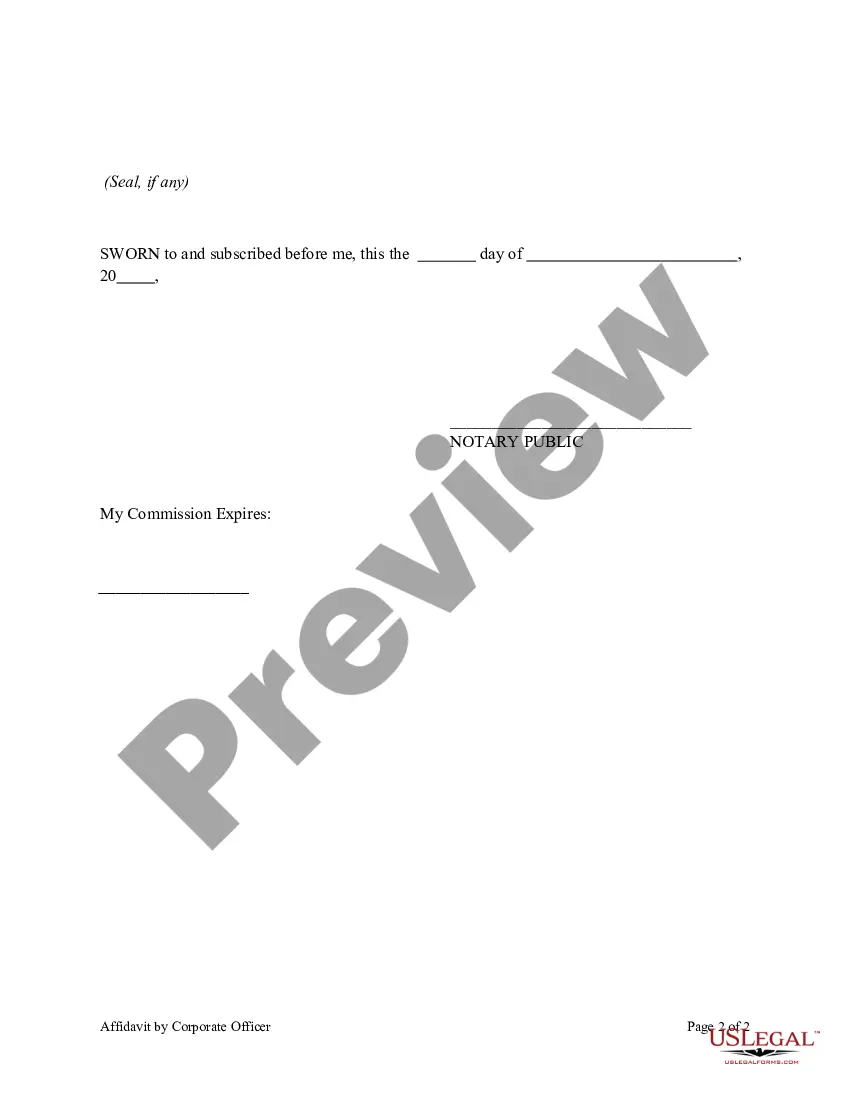
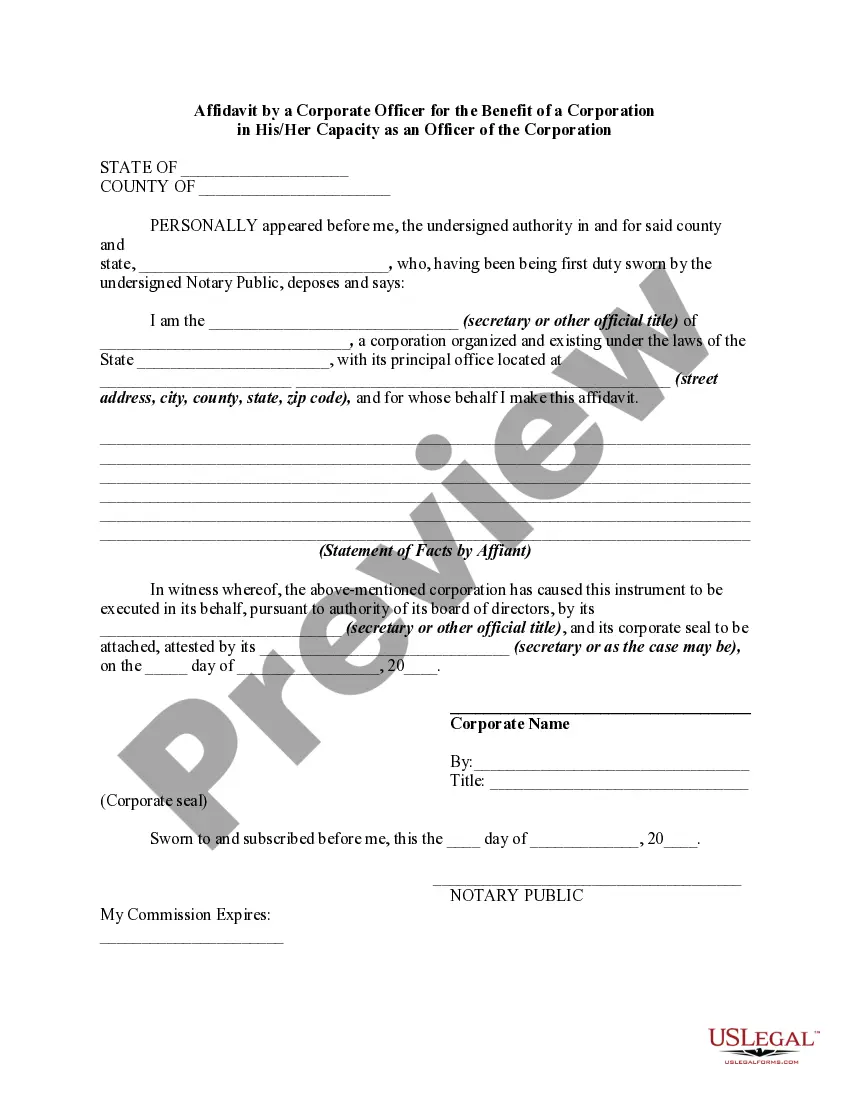
Get your form ready online
Our built-in tools help you complete, sign, share, and store your documents in one place.
Make edits, fill in missing information, and update formatting in US Legal Forms—just like you would in MS Word.
Download a copy, print it, send it by email, or mail it via USPS—whatever works best for your next step.
Sign and collect signatures with our SignNow integration. Send to multiple recipients, set reminders, and more. Go Premium to unlock E-Sign.
If this form requires notarization, complete it online through a secure video call—no need to meet a notary in person or wait for an appointment.
We protect your documents and personal data by following strict security and privacy standards.

Make edits, fill in missing information, and update formatting in US Legal Forms—just like you would in MS Word.

Download a copy, print it, send it by email, or mail it via USPS—whatever works best for your next step.

Sign and collect signatures with our SignNow integration. Send to multiple recipients, set reminders, and more. Go Premium to unlock E-Sign.

If this form requires notarization, complete it online through a secure video call—no need to meet a notary in person or wait for an appointment.

We protect your documents and personal data by following strict security and privacy standards.
Looking for another form?







Form popularity
FAQ
One of the most common mistakes that notaries make is not printing or signing their name exactly as it appears on their notary commission.
Beginning September 1, 2023, the law sets minimum application requirements and mandates that both new and renewal applicants complete a pre-commission training program prepared by the Alabama Probate Judges Association and the Alabama Law Institute.
Alabama law requires that you use a rubber stamp impression of your official seal. Your notary stamp must also include the following information: Your name. The words "Notary Public"
Documents Notarized by a Florida Notary Public Any document for which photocopying is prohibited. Birth Certificate. Certificate of Citizenship or Naturalization. Death Certificate. Documents filed in a court proceeding. Documents recorded by the Clerk of the Court. Federal or state income tax forms, already filed.
The Easy Answer: Yes, You May Notarize Out-Of-State Documents. You are allowed to notarize documents that are sent and /or recorded across state borders — provided, of course, that you are notarizing the document within the boundaries of your jurisdiction.
Can a Notary Legally Notarize Out-of-State Documents? Yes, a notary public can legally notarize documents from any state as long as the notarial act occurs in the state in which they were commissioned.
The short answer is yes, notary publics are legally allowed to notarize documents from any state as long the notarial act is conducted within the geographical boundaries of the notary's state of commission.
Florida does not require exact wording, but the certificate must include elements spelled out in Florida Statutes, 117.054, including the venue, name of signer, type and date of notarization, form of identification used, the Notary's signature, name and seal, and whether the signer appeared via physical presence or ...
I, ___________ (name and style of officer) hereby certify that ___________ whose name is signed to the foregoing conveyance, and who is known to me, acknowledged before me on this day that, being informed of the contents of the conveyance, he executed the same voluntarily on the day the same bears date.
