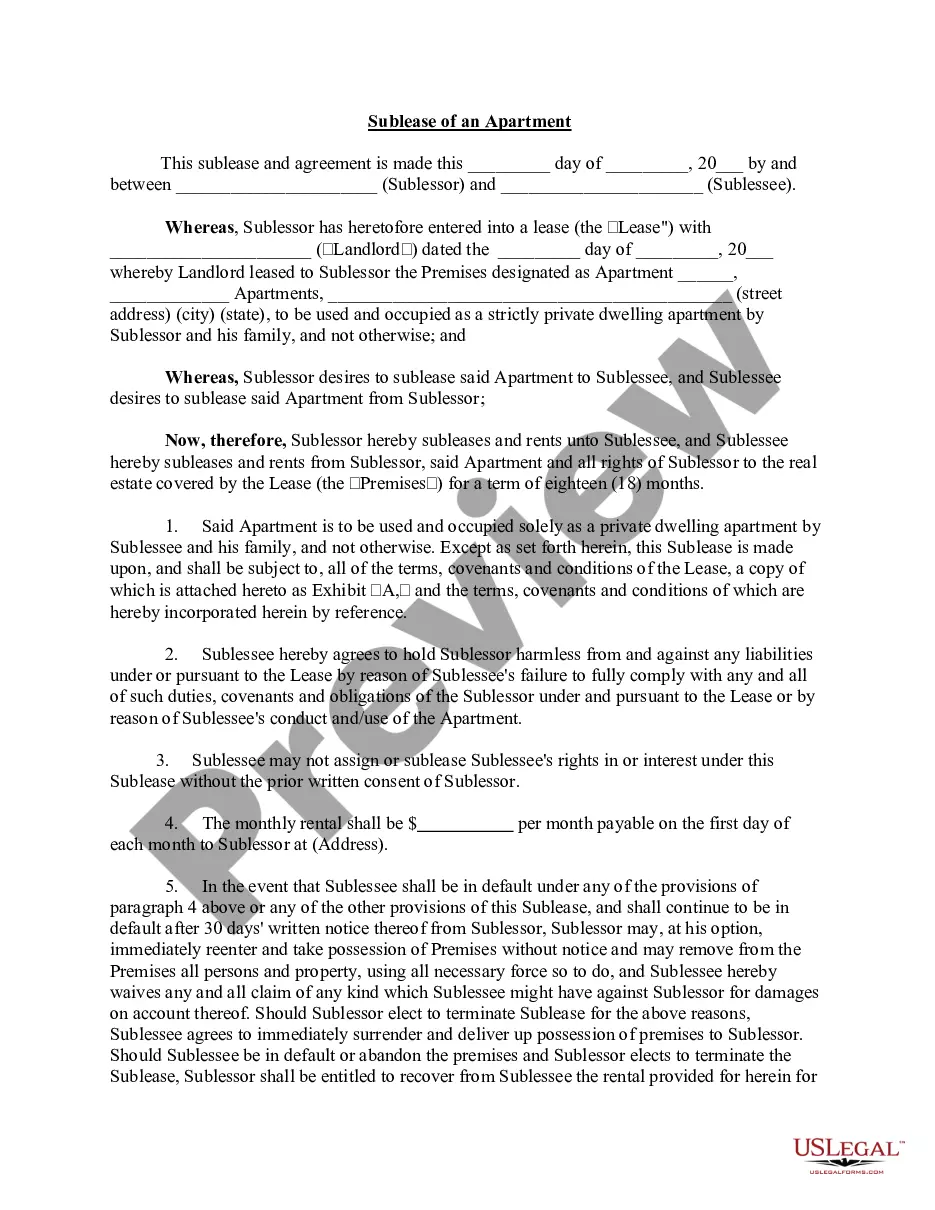
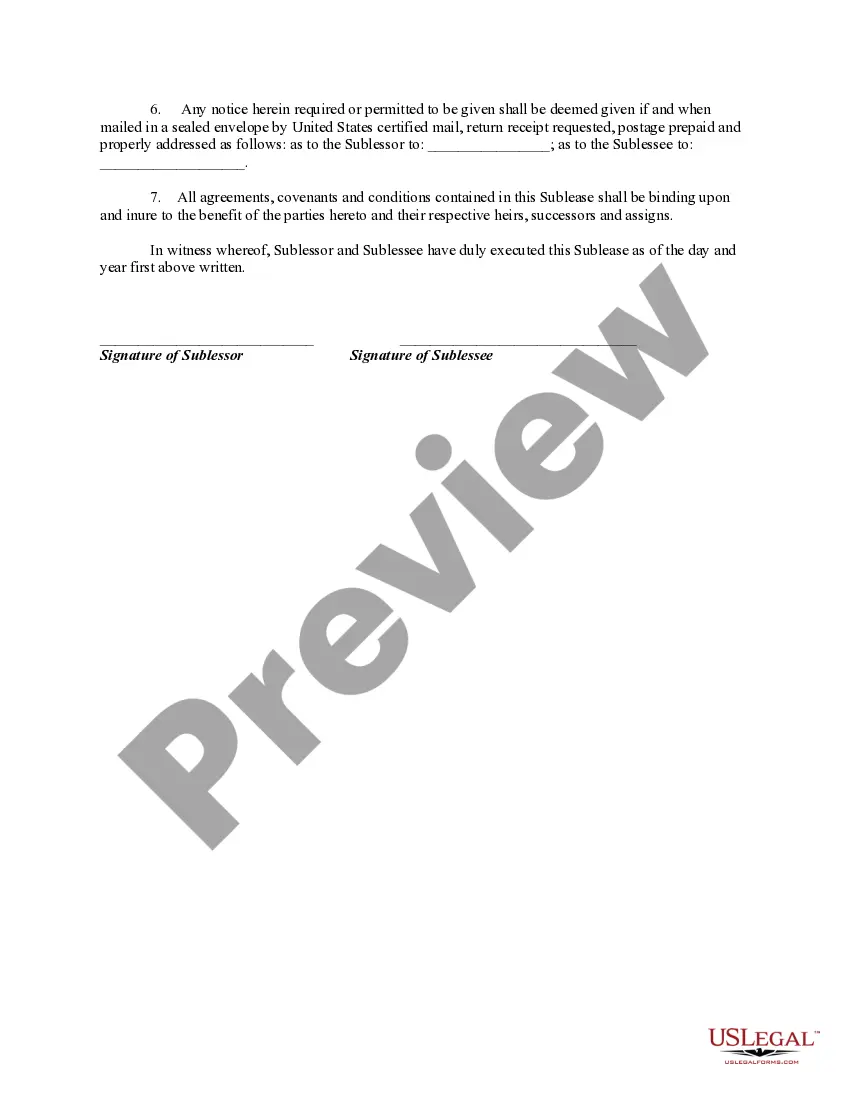
Subletting Apartment Rental Without Permission In New York
Description

Get your form ready online
Our built-in tools help you complete, sign, share, and store your documents in one place.
Make edits, fill in missing information, and update formatting in US Legal Forms—just like you would in MS Word.
Download a copy, print it, send it by email, or mail it via USPS—whatever works best for your next step.
Sign and collect signatures with our SignNow integration. Send to multiple recipients, set reminders, and more. Go Premium to unlock E-Sign.
If this form requires notarization, complete it online through a secure video call—no need to meet a notary in person or wait for an appointment.
We protect your documents and personal data by following strict security and privacy standards.

Make edits, fill in missing information, and update formatting in US Legal Forms—just like you would in MS Word.

Download a copy, print it, send it by email, or mail it via USPS—whatever works best for your next step.

Sign and collect signatures with our SignNow integration. Send to multiple recipients, set reminders, and more. Go Premium to unlock E-Sign.

If this form requires notarization, complete it online through a secure video call—no need to meet a notary in person or wait for an appointment.

We protect your documents and personal data by following strict security and privacy standards.
Looking for another form?



Form popularity
FAQ
If you've sublet your home unlawfully Your landlord could take legal action against you. Unlawful subletting includes if you: need your landlord's permission before subletting all or part of your home but don't get it. aren't allowed to sublet all or part of your home but you do so anyway.
There are several ways to report suspected illegal short-term rentals in your building or neighborhood. You can call 311 and follow the prompts; or submit a complaint online.
What consequences can arise from illegally subletting an apartment in NYC? Illegally subletting can result in eviction or legal actions from the landlord. If a tenant sublets without proper approval, they risk violating their lease. It's crucial to follow the rules to avoid complications with NYC sublet laws.
Before subletting your apartment, you must notify your landlord and provide them with a 30-day notice. Under New York law, landlords cannot unreasonably withhold the right to sublet. However, they can refuse to sublet with a valid reason, such as concerns about the proposed subtenant's financial stability.
So first, in NYC a landlord cannot unreasonably deny a request to sublet. You must submit a written request at least 30 days in advance, and it must include things like who you'll be subletting to, why you're wanting to sublet, where you'll be during this period, etc...
Generally no. However, a landlord may enter a tenant's apartment in some situations. Your landlord can enter your apartment at any time and without notice in an emergency, and at a reasonable time after providing appropriate notice if the entry is either: To provide necessary or agreed upon repairs or services, or.
There are Limitations on Subleases If you illegally sublet your apartment, you could be fined up to $7,5000.
If the DOB discovers an apartment is illegal, both the renter and landlord will be in a tight spot. Renters face immediate eviction, and landlords can receive up to $25,000 in fines.
New York City law allows market-rate and rent-stabilized tenants to sublet their apartments if they live in a building with four or more units. New York City law does not allow tenants that live in multiple dwellings (3 apartments or more) to sublet apartments for less than thirty days.
