Affidavit Letter Template With Proof Of Service In San Diego
Description
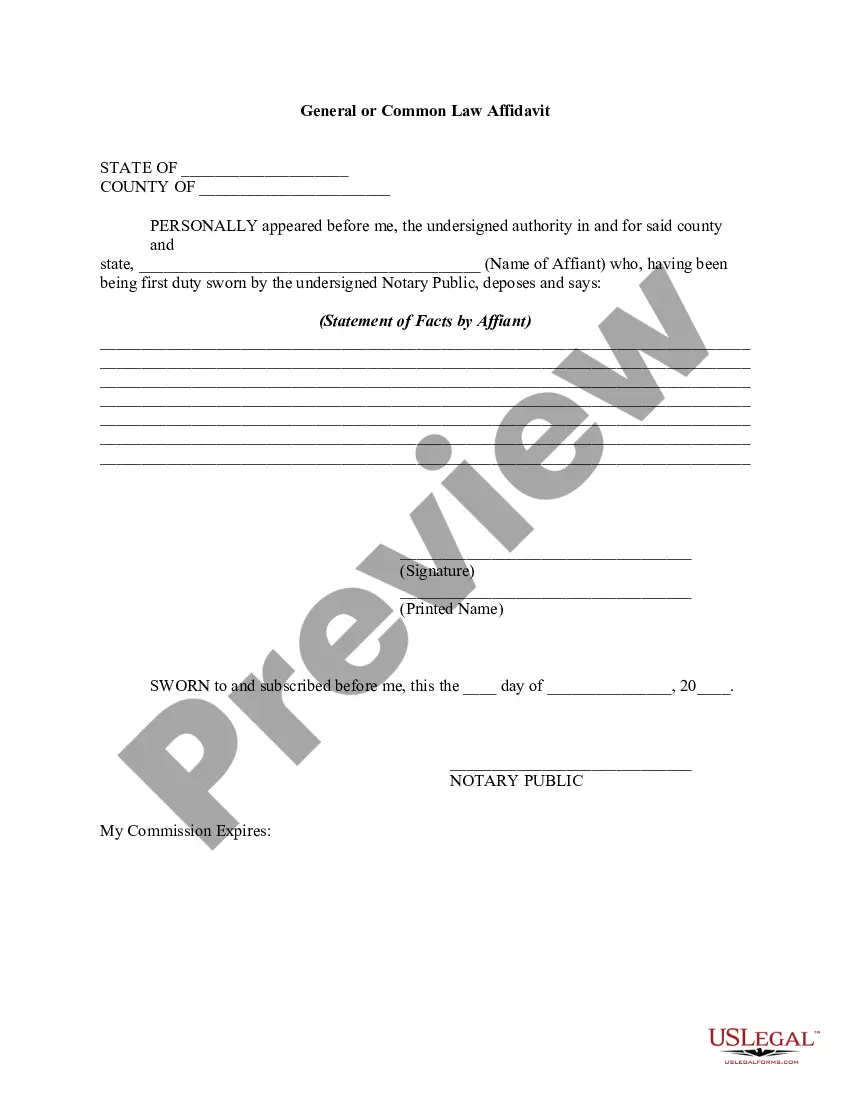
Get your form ready online
Our built-in tools help you complete, sign, share, and store your documents in one place.
Make edits, fill in missing information, and update formatting in US Legal Forms—just like you would in MS Word.
Download a copy, print it, send it by email, or mail it via USPS—whatever works best for your next step.
Sign and collect signatures with our SignNow integration. Send to multiple recipients, set reminders, and more. Go Premium to unlock E-Sign.
If this form requires notarization, complete it online through a secure video call—no need to meet a notary in person or wait for an appointment.
We protect your documents and personal data by following strict security and privacy standards.

Make edits, fill in missing information, and update formatting in US Legal Forms—just like you would in MS Word.

Download a copy, print it, send it by email, or mail it via USPS—whatever works best for your next step.

Sign and collect signatures with our SignNow integration. Send to multiple recipients, set reminders, and more. Go Premium to unlock E-Sign.

If this form requires notarization, complete it online through a secure video call—no need to meet a notary in person or wait for an appointment.

We protect your documents and personal data by following strict security and privacy standards.
Looking for another form?
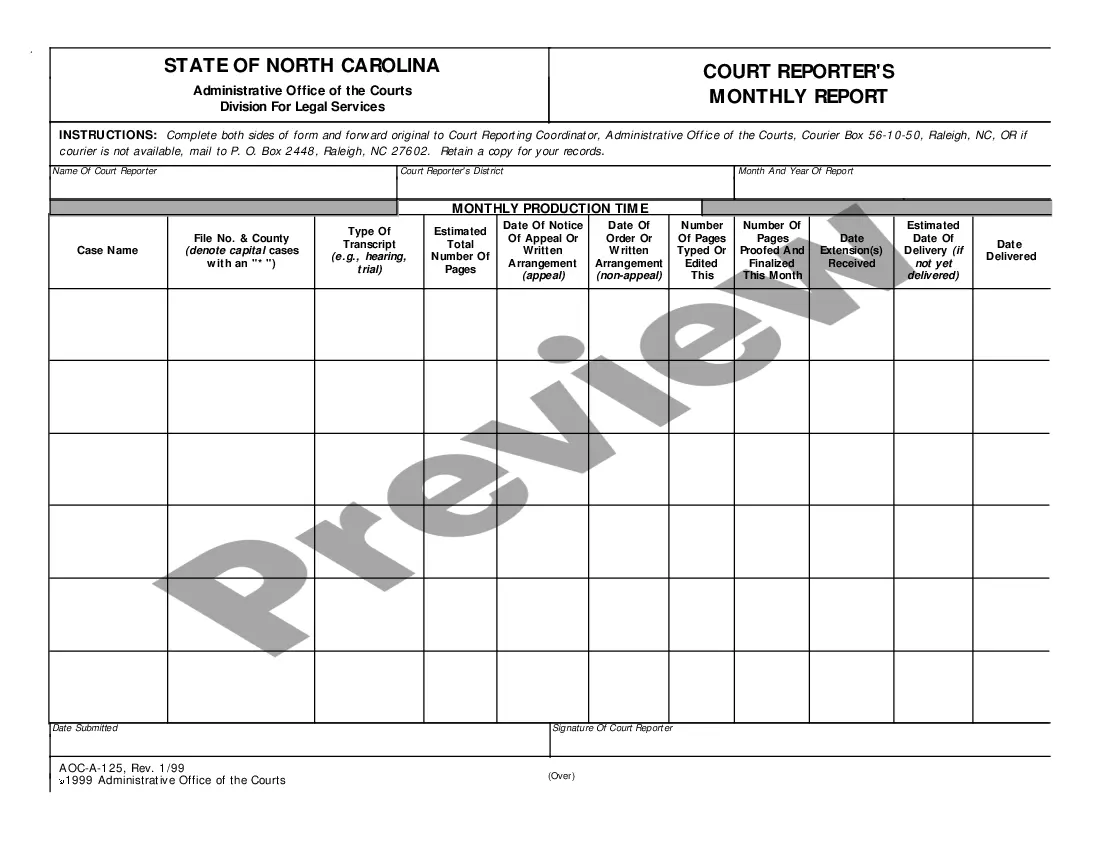
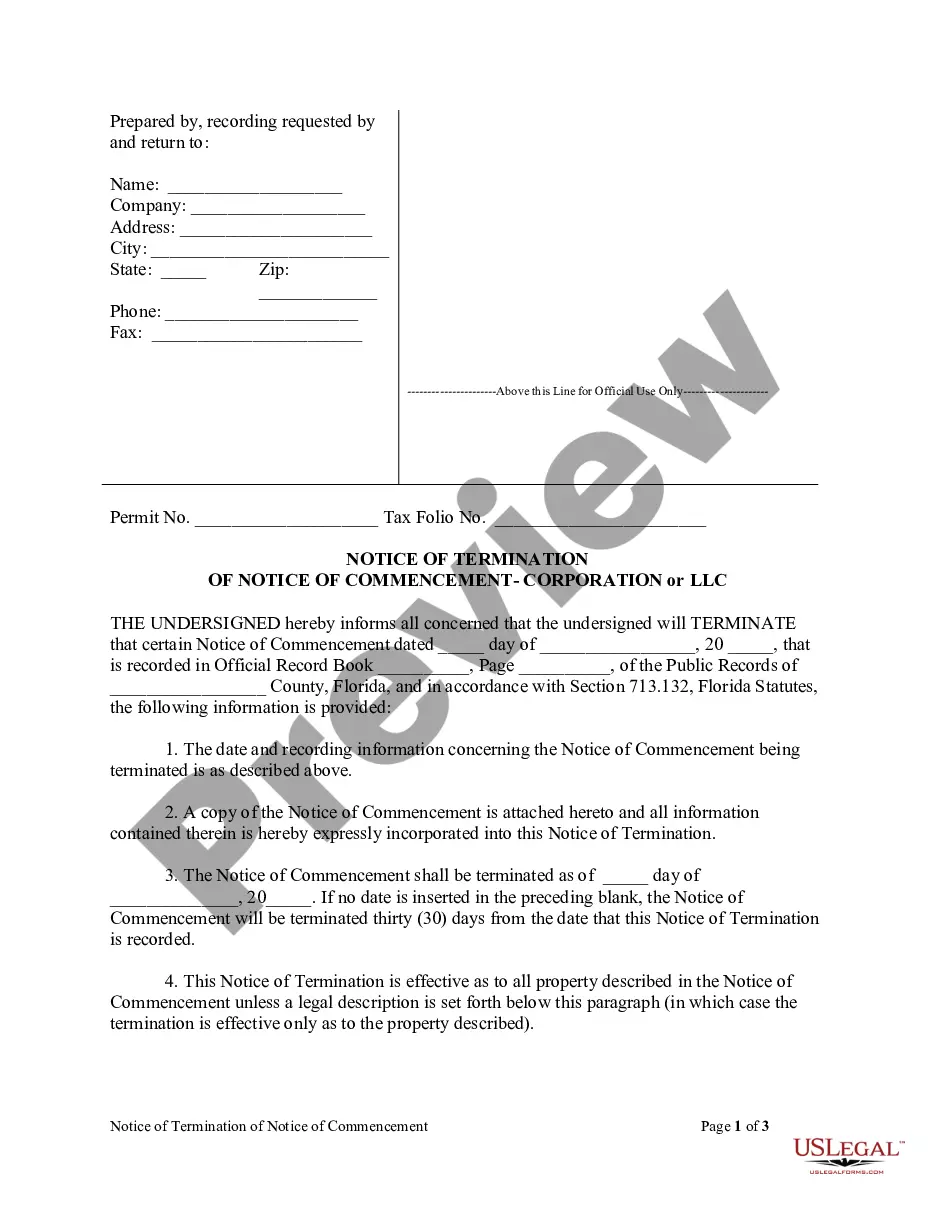
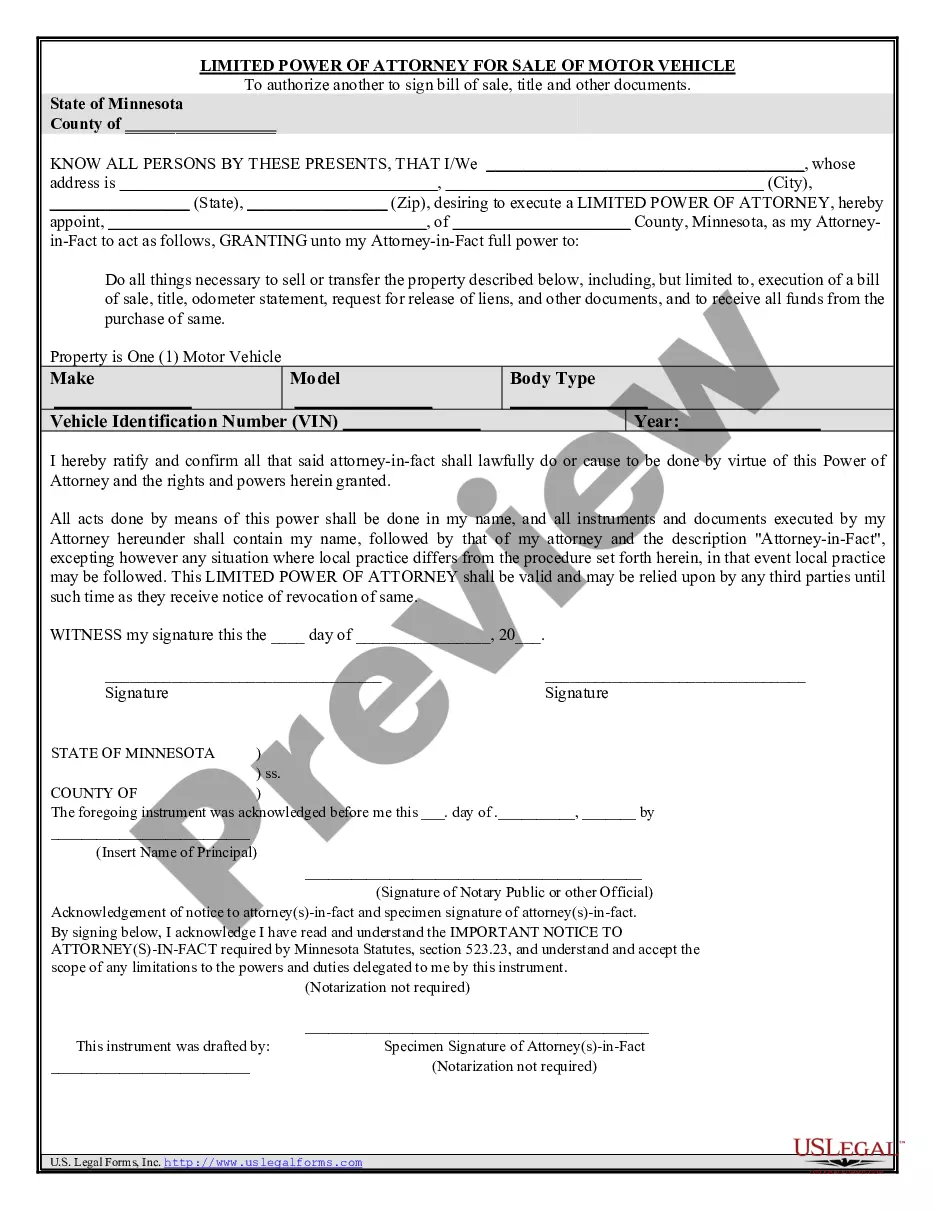


Form popularity
FAQ
The Proof of Service should be typed or printed. If you have Internet access, a fillable version of this proof of service form is available at urts.ca/forms.htm. Second box, left side: Print the name of the county in which the legal action is filed and the court's address in this box.
Tell the court and the parties that you do not want to go forward with the case. You also need to use Notice of Entry of Dismissal and Proof of Service (form CIV-120).
Any evidence that's found relevant and isn't hearsay or privileged is admissible. Some common types of evidence used in California family court include: Character witnesses. Expert witnesses. Financial records.
Proof of Service of Summons (Family Law-Uniform Parentage-Custody and Support) (FL-115) Tells the court that you had your spouse or domestic partner served with the legal papers to start your case. Tells when and where the papers were served, and who served them.
Superior Court of California - County of San Diego.

