Difference Between Affidavit And Sworn Statement In Massachusetts
Description
Get your form ready online
Our built-in tools help you complete, sign, share, and store your documents in one place.
Make edits, fill in missing information, and update formatting in US Legal Forms—just like you would in MS Word.
Download a copy, print it, send it by email, or mail it via USPS—whatever works best for your next step.
Sign and collect signatures with our SignNow integration. Send to multiple recipients, set reminders, and more. Go Premium to unlock E-Sign.
If this form requires notarization, complete it online through a secure video call—no need to meet a notary in person or wait for an appointment.
We protect your documents and personal data by following strict security and privacy standards.

Make edits, fill in missing information, and update formatting in US Legal Forms—just like you would in MS Word.

Download a copy, print it, send it by email, or mail it via USPS—whatever works best for your next step.

Sign and collect signatures with our SignNow integration. Send to multiple recipients, set reminders, and more. Go Premium to unlock E-Sign.

If this form requires notarization, complete it online through a secure video call—no need to meet a notary in person or wait for an appointment.

We protect your documents and personal data by following strict security and privacy standards.
Looking for another form?







Form popularity
FAQ
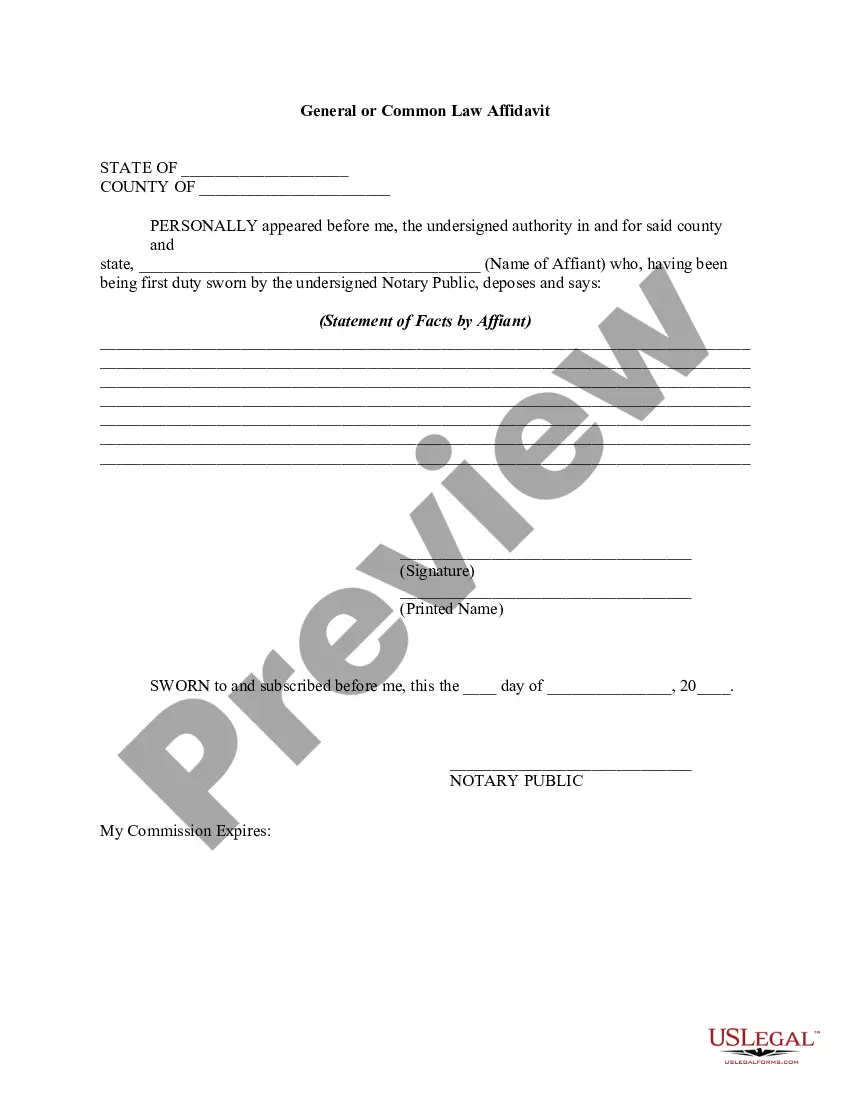
An affidavit is a written statement in which the signer or "affiant" verifies that the document is true. They differ from sworn oaths only in that the relevant parties must sign them instead of swearing them out loud. The person swearing to this written statement is called the affiant.
I, _____________________________, swear under penalty of perjury, that the information included in this declaration is true to the best of my knowledge and belief.
Affidavits generally carry greater formal weight and are typically preferred for court filings or formal proceedings. Declarations, while signed under penalty of perjury, lack notarization, making them suitable for less formal settings or jurisdictions that permit unsworn statements.
For many documents, yes. Certain affidavits, real estate deeds, and other documents may not be legally binding unless they are properly notarized.
What is another word for sworn statement? affirmationproclamation oath affidavit confession confirmation testimony attestation deposition legal instrument73 more rows
The Affidavit of Identity is used to authenticate your identity and verify your signature. This form will need to be notarized.
the statement of any person wherever made, subscribed and affirmed by that person to be true under the penalties of perjury, may be used in an action in New York in lieu of and with the same force and effect as an affidavit.
An affidavit is a sworn written statement from a witness in a case. It is a document that sets out the evidence that the witness wants to give. The witness who swears an affidavit is known as a deponent.
SAMPLE AFFIDAVIT FOR NAME (Duly Notarised) I, the undersigned S/o ….., First Last, aged ~XX years, Hindu by religion, presently residing at ………., India, do hereby solemnly affirm and declare on oath that: 1. I say that my true and correct name is……………..
For many documents, yes. Certain affidavits, real estate deeds, and other documents may not be legally binding unless they are properly notarized.

