Affidavit Sample Letter For Child Custody In Harris
Description
Get your form ready online
Our built-in tools help you complete, sign, share, and store your documents in one place.
Make edits, fill in missing information, and update formatting in US Legal Forms—just like you would in MS Word.
Download a copy, print it, send it by email, or mail it via USPS—whatever works best for your next step.
Sign and collect signatures with our SignNow integration. Send to multiple recipients, set reminders, and more. Go Premium to unlock E-Sign.
If this form requires notarization, complete it online through a secure video call—no need to meet a notary in person or wait for an appointment.
We protect your documents and personal data by following strict security and privacy standards.

Make edits, fill in missing information, and update formatting in US Legal Forms—just like you would in MS Word.

Download a copy, print it, send it by email, or mail it via USPS—whatever works best for your next step.

Sign and collect signatures with our SignNow integration. Send to multiple recipients, set reminders, and more. Go Premium to unlock E-Sign.

If this form requires notarization, complete it online through a secure video call—no need to meet a notary in person or wait for an appointment.

We protect your documents and personal data by following strict security and privacy standards.
Looking for another form?






Form popularity
FAQ
In Texas, even if there is no formal custody order in place, both parents generally have equal rights and responsibilities to their child. However, the absence of a custody order can lead to confusion, disagreements, and potential legal complications in the future.
Yes you do need a court order. You need to go to your local domestic relations department to file for custody/partial custody that an order can be put in place. They will schedule a hearing for you both come in and get a written court order in place. Law enforcement cannot intervene with out a court order.
Child custody agreements can be made through informal negotiations that are conducted between parents and other parties through an Alternative Dispute Resolution (ADR). It's an emerging concept that covers a number of situations where disputes between parties can be resolved without going through a lengthy trial.
Provide a concise summary of the key issues and events pertaining to the custody situation. Focus on highlighting factors that would be in the best interests of any children involved, such as stability, safety, and meeting the children's needs. Avoid making accusations or attacking your former spouse directly.
How To File For Custody of a Child in Texas Step 1: Determine the Correct Court. Step 2: Complete the Required Forms. Step 3: File the Petition. Step 4: Serve the Other Parent. Step 5: Prepare for Mediation. Step 6: Attend the Court Hearing. Step 7: Follow the Court's Decision.
"Proving Up" At the prove-up, "you appear before the judge and give evidence and testimony as to the terms of your divorce." During the COVID-19 pandemic, many courts started requesting something called a "prove-up affidavit." They asked for this document because they were not able to hold divorce hearings in person.
Your first step is to use the Petition for Custody form available at your local courthouse. I have also attached a copy here for your reference. Once you have it filled out, you will need to submit the petition to the Family Law Division of the District Court in the county where you or the other parent reside.
An affidavit of non-prosecution is a sworn, notarized statement from a victim requesting that charges against a defendant be dismissed. An affidavit of non-prosecution is a legal statement where the victim or witness of a crime formally declares they don't want to press charges against the accused.
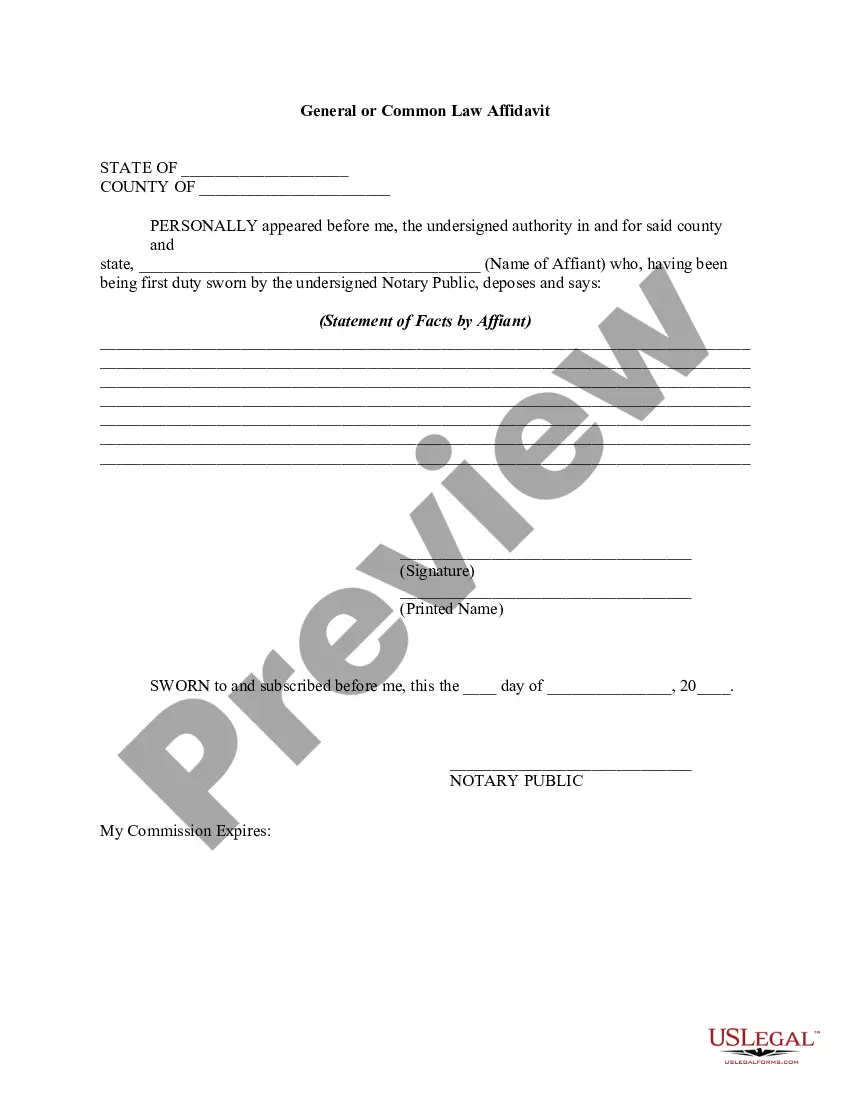
The following are six critical sections that must be included: Title. This is either your name (“Affidavit of Jane Doe”) or the specific case information. Statement of identity. The next paragraph tells the court about yourself. Statement of truth. Statement of facts. Closing statement of truth. Sign and notarize.
An affidavit is a statement of facts. Therefore, you should include all the facts that are relevant in your proceeding. Importantly, your affidavit should support the orders you have asked the Court to make in your application or response. The length of your affidavit will depend on the complexity of your matter.

