Affidavit Letter Sample For Immigration In Georgia
Description
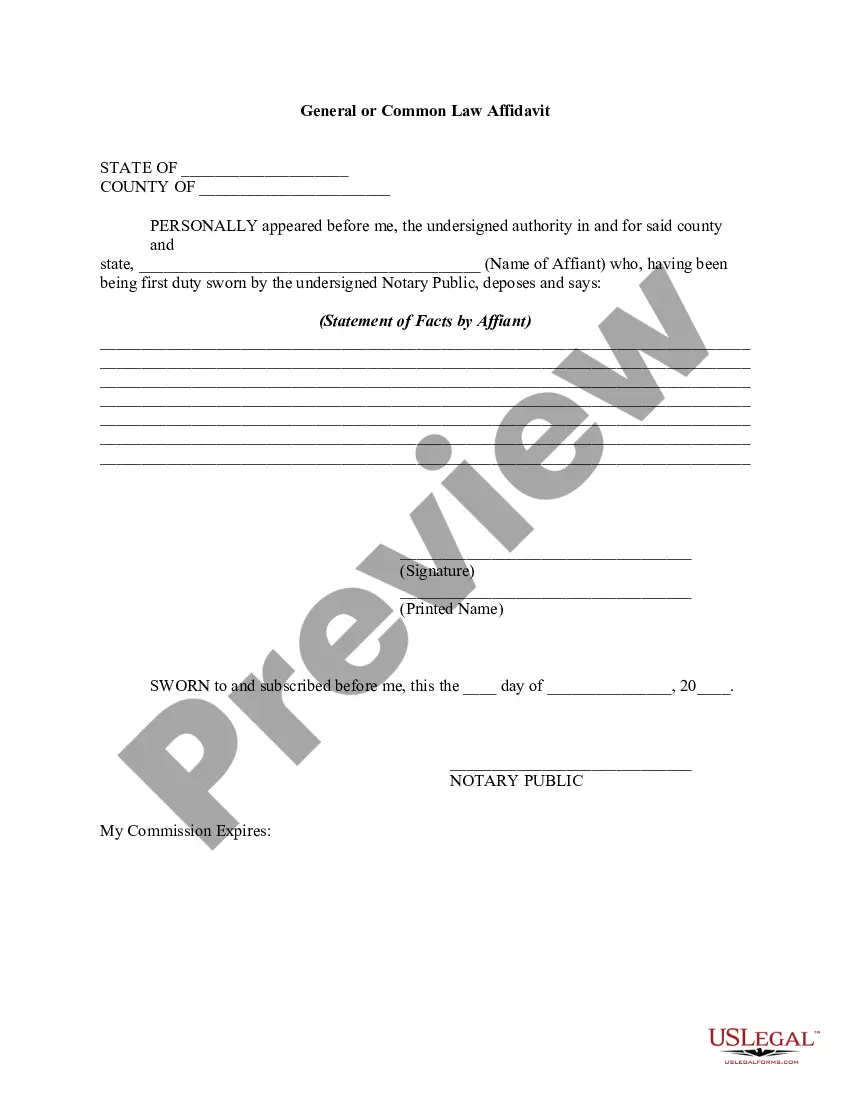
Get your form ready online
Our built-in tools help you complete, sign, share, and store your documents in one place.
Make edits, fill in missing information, and update formatting in US Legal Forms—just like you would in MS Word.
Download a copy, print it, send it by email, or mail it via USPS—whatever works best for your next step.
Sign and collect signatures with our SignNow integration. Send to multiple recipients, set reminders, and more. Go Premium to unlock E-Sign.
If this form requires notarization, complete it online through a secure video call—no need to meet a notary in person or wait for an appointment.
We protect your documents and personal data by following strict security and privacy standards.

Make edits, fill in missing information, and update formatting in US Legal Forms—just like you would in MS Word.

Download a copy, print it, send it by email, or mail it via USPS—whatever works best for your next step.

Sign and collect signatures with our SignNow integration. Send to multiple recipients, set reminders, and more. Go Premium to unlock E-Sign.

If this form requires notarization, complete it online through a secure video call—no need to meet a notary in person or wait for an appointment.

We protect your documents and personal data by following strict security and privacy standards.
Looking for another form?










Form popularity
FAQ
The following are six critical sections that must be included: Title. This is either your name (“Affidavit of Jane Doe”) or the specific case information. Statement of identity. The next paragraph tells the court about yourself. Statement of truth. Statement of facts. Closing statement of truth. Sign and notarize.
The letter should be formatted professionally, as it will be submitted to an official immigration authority. Include: Your contact information (name, address, phone number, email). Date of writing. Recipient information, such as the immigration officer or relevant authority (if known).
The Affidavit letter should be a personal declaration that includes: The name, date and place of birth, phone number, and address of the affiant (person writing the letter). The history of the personal relationship with the applicant.
After 10 years of continuous, legal residency in Georgia, foreigners may be eligible to apply for Georgian citizenship, if they meet certain conditions, such as knowing the local language, history and customs, and/or have married a Georgian citizen, or are engaged in economic activities considered important to the ...
Key Components Affiant's Information: Start with the full name, address, and contact information of the affiant. Declarative Statement: Clearly state the purpose of the affidavit, such as confirming a relationship, providing financial support, or testifying to specific facts relevant to the immigration case.
All affidavits, petitions, answers, defenses, or other proceedings required to be verified or sworn to under oath shall be held to be sufficient when the same are sworn to before any notary public, magistrate, judge of any court, or any other officer of the state or county where the oath is made who is authorized by ...
Do Assist the applicant to shape their declaration. Organize the declaration chronologically and/or thematically. Include dates whenever possible. Include detailed information about the applicant's “coming out” experience. Include detailed accounts of specific examples of mistreatment that the applicant suffered.
Dual citizenship rules. Georgia allows dual citizenship only for citizens who obtained their passports based on the state interest. Other individuals must renounce their previous citizenship to get Georgian nationality.
After 10 years of continuous, legal residency in Georgia, foreigners may be eligible to apply for Georgian citizenship, if they meet certain conditions, such as knowing the local language, history and customs, and/or have married a Georgian citizen, or are engaged in economic activities considered important to the ...
Under the Official Code of Georgia (OCGA) 9-14-48, affidavits are documents that contain statements that are sworn to be true.

