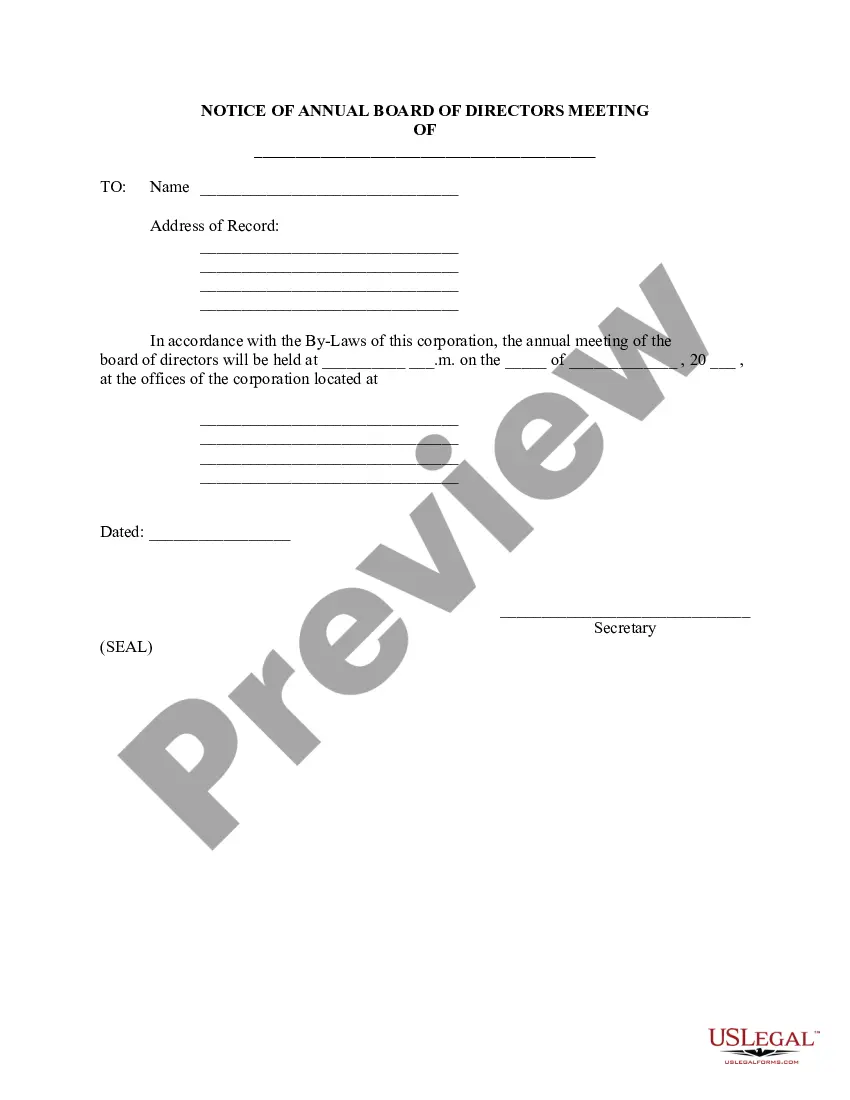
Legal Definition For Affidavit In Florida
Description
Get your form ready online
Our built-in tools help you complete, sign, share, and store your documents in one place.
Make edits, fill in missing information, and update formatting in US Legal Forms—just like you would in MS Word.
Download a copy, print it, send it by email, or mail it via USPS—whatever works best for your next step.
Sign and collect signatures with our SignNow integration. Send to multiple recipients, set reminders, and more. Go Premium to unlock E-Sign.
If this form requires notarization, complete it online through a secure video call—no need to meet a notary in person or wait for an appointment.
We protect your documents and personal data by following strict security and privacy standards.

Make edits, fill in missing information, and update formatting in US Legal Forms—just like you would in MS Word.

Download a copy, print it, send it by email, or mail it via USPS—whatever works best for your next step.

Sign and collect signatures with our SignNow integration. Send to multiple recipients, set reminders, and more. Go Premium to unlock E-Sign.

If this form requires notarization, complete it online through a secure video call—no need to meet a notary in person or wait for an appointment.

We protect your documents and personal data by following strict security and privacy standards.
Looking for another form?
Form popularity
FAQ
In Florida, a will must be signed and witnessed by two persons in order to be admitted to probate. Without a self-proving affidavit, the witnesses must appear in court and testify that they were present and saw when the testator signed the will.
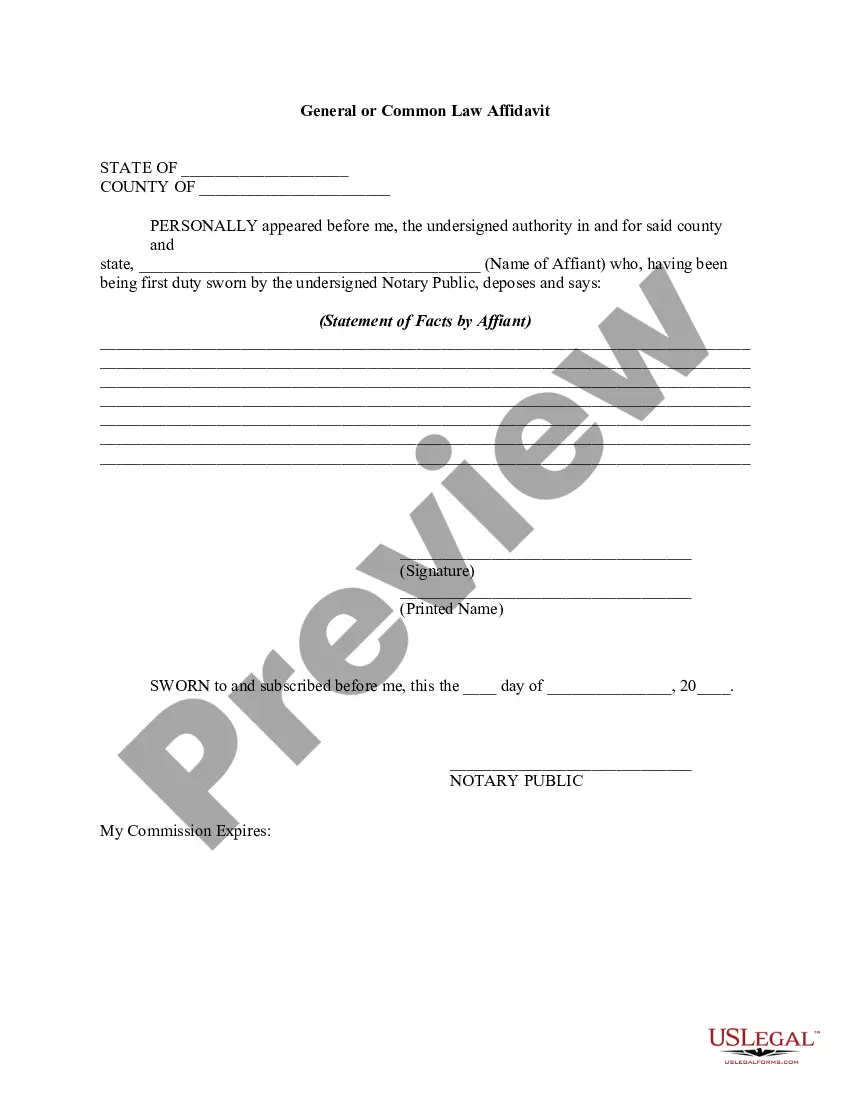
An affidavit is a sworn written statement that can be used in a number of important ways. It can be used in connection with filing or responding to a motion in court.
Affidavit definition. An affidavit is a sworn statement put in writing. When you use an affidavit, you're claiming that the information within the document is true and correct to the best of your knowledge. Like taking an oath in court, an affidavit is only valid when you make it voluntarily and without any coercion.
Affidavits generally carry greater formal weight and are typically preferred for court filings or formal proceedings. Declarations, while signed under penalty of perjury, lack notarization, making them suitable for less formal settings or jurisdictions that permit unsworn statements.
After filling out the form, print your completed form. Sign it in front of the notary or deputy clerk at the clerk's office. After the form is signed and notarized, submit the form to the clerk's office either by regular mail, in person or by scanning the signed PDF and electronically eFiling.
The parties or the court can modify these requirements except for the filing of a financial affidavit, which is mandatory in all cases. No Exceptions. Print the appropriate Florida financial affidavit for you & your spouse. Give a copy of your notarized affidavit to your spouse.
It is a written statement, sworn to be the truth under penalty of perjury by someone with direct knowledge about the issues in a court case. What is it for? You usually use Declarations when filing or responding to motions in court. A declaration's information can help the judge1 decide on the motion.
An affidavit is typically defined as a written declaration or statement that is sworn or affirmed before a person who has authority to administer an oath. There is no general defined form for an affidavit, although for some proceedings an affidavit must satisfy legal or statutory requirements in order to be considered.
We previously wrote here about the three "musts" for an affidavit or declaration in Florida: it must be based on personal knowledge, it must contain facts as would be admissible in evidence, and it must demonstrate the affiant's competency to testify to the matters stated.