Affidavit Sample Letter For Child Custody In Bronx
Description
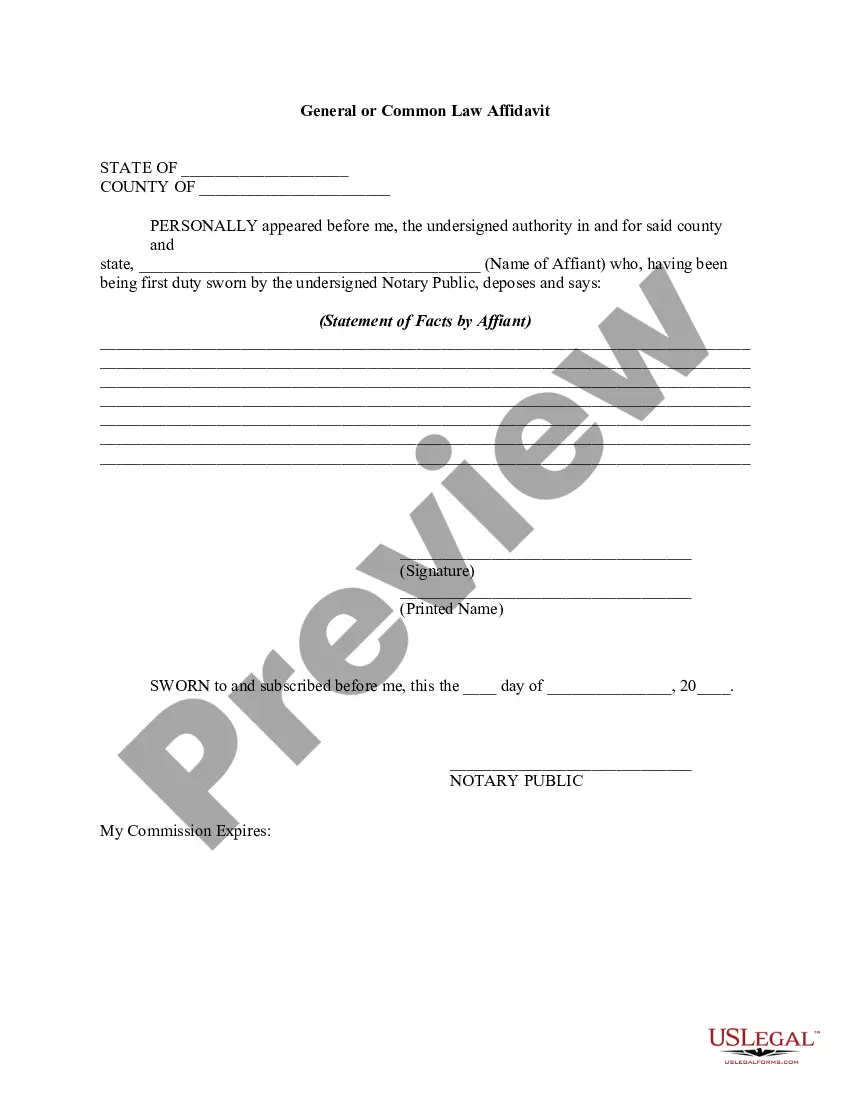
Get your form ready online
Our built-in tools help you complete, sign, share, and store your documents in one place.
Make edits, fill in missing information, and update formatting in US Legal Forms—just like you would in MS Word.
Download a copy, print it, send it by email, or mail it via USPS—whatever works best for your next step.
Sign and collect signatures with our SignNow integration. Send to multiple recipients, set reminders, and more. Go Premium to unlock E-Sign.
If this form requires notarization, complete it online through a secure video call—no need to meet a notary in person or wait for an appointment.
We protect your documents and personal data by following strict security and privacy standards.

Make edits, fill in missing information, and update formatting in US Legal Forms—just like you would in MS Word.

Download a copy, print it, send it by email, or mail it via USPS—whatever works best for your next step.

Sign and collect signatures with our SignNow integration. Send to multiple recipients, set reminders, and more. Go Premium to unlock E-Sign.

If this form requires notarization, complete it online through a secure video call—no need to meet a notary in person or wait for an appointment.

We protect your documents and personal data by following strict security and privacy standards.
Looking for another form?








Form popularity
FAQ
To file for custody, you must contact the court where the child resides. Each New Jersey Court has a Family Division that will provide the relevant forms you need to fill out and submit along with the accompanying fees. For additional information, the New Jersey Courts offer help on their website.
Filing for Child Custody in New York: 5 Steps Step 1: Determine your court and type of case. Step 2: Complete your forms. Step 3: Finalize your paperwork. Step 4: Turn in your paperwork. Step 5: Serve the other parent. Information for respondents and defendants. Additional help with your filing. Preparing for what comes next.
In New York, this type of substitute motion is called an "Order to Show Cause." An order to show cause can be heard anytime the court directs, even fewer than the usual eight days, and even as short as a few hours later, if the court is convinced there's a real emergency.
A custodial parent may file a petition with their local child support agency. That petition will then be forwarded to the New York City Law Department office in the county where the non-custodial parent resides. This matter will then be litigated in the New York City Family Court located in the same borough.
To begin the process of changing your custody order, you will need to fill out the forms for a “Petition for Modification of an Order of Custody/Visitation.” You can file this “Petition for Modification of an Order of Custody/Visitation" through the NY Courts website or in the courthouse in the county or borough where ...
➢ Call to make an appointment: (631) 854-3183 A worker will call you back within one business day to answer any questions, determine the appropriate petition to file and discuss the documentation you must provide.
In order to respond to a motion or an order to show cause, you must prepare answering papers. If you disagree with what is being asked for in the motion or order to show cause, you must prepare an affidavit in opposition (see Exhibit A).
The Order to Show Cause often contains a direction to the parties that they stop some specific activity until the court hears or decides the motion. The Order to Show Cause is supported by an "Affidavit in Support," and copies of any documents that support the request and would help the judge make a decision.

