Premises Office Share With Tenants In Ohio
Description

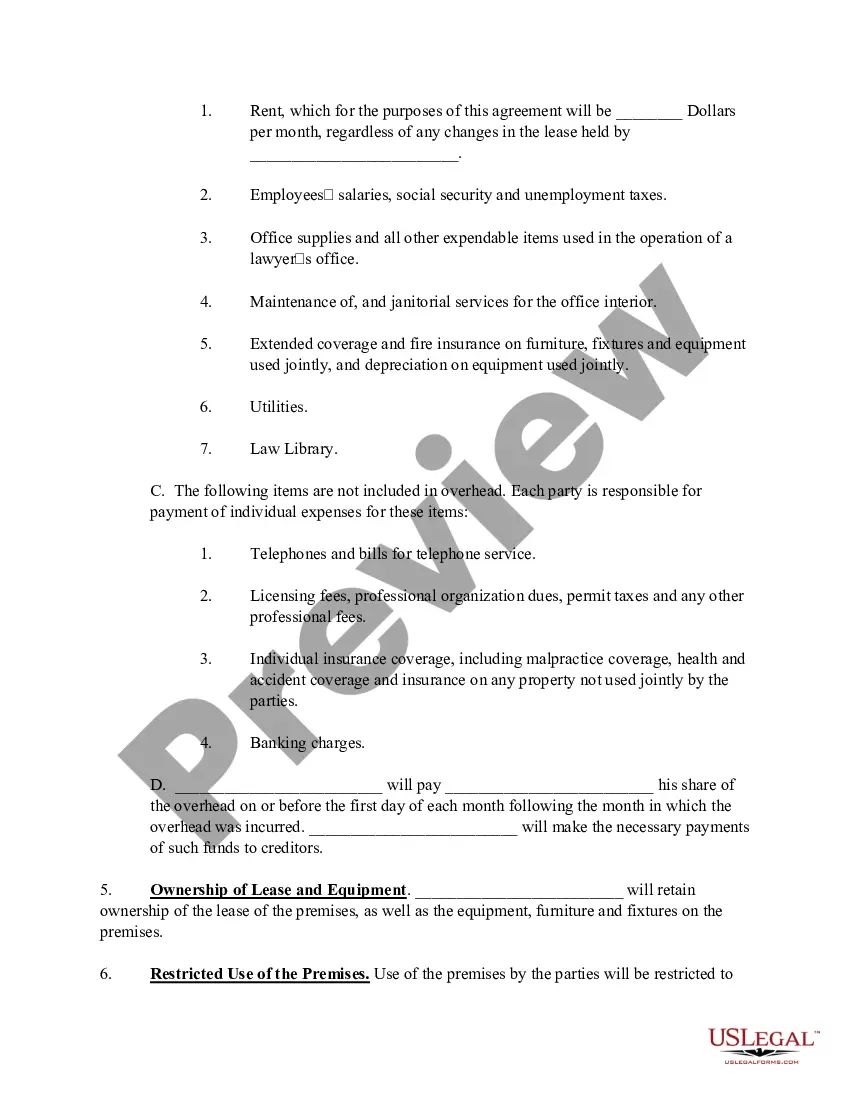
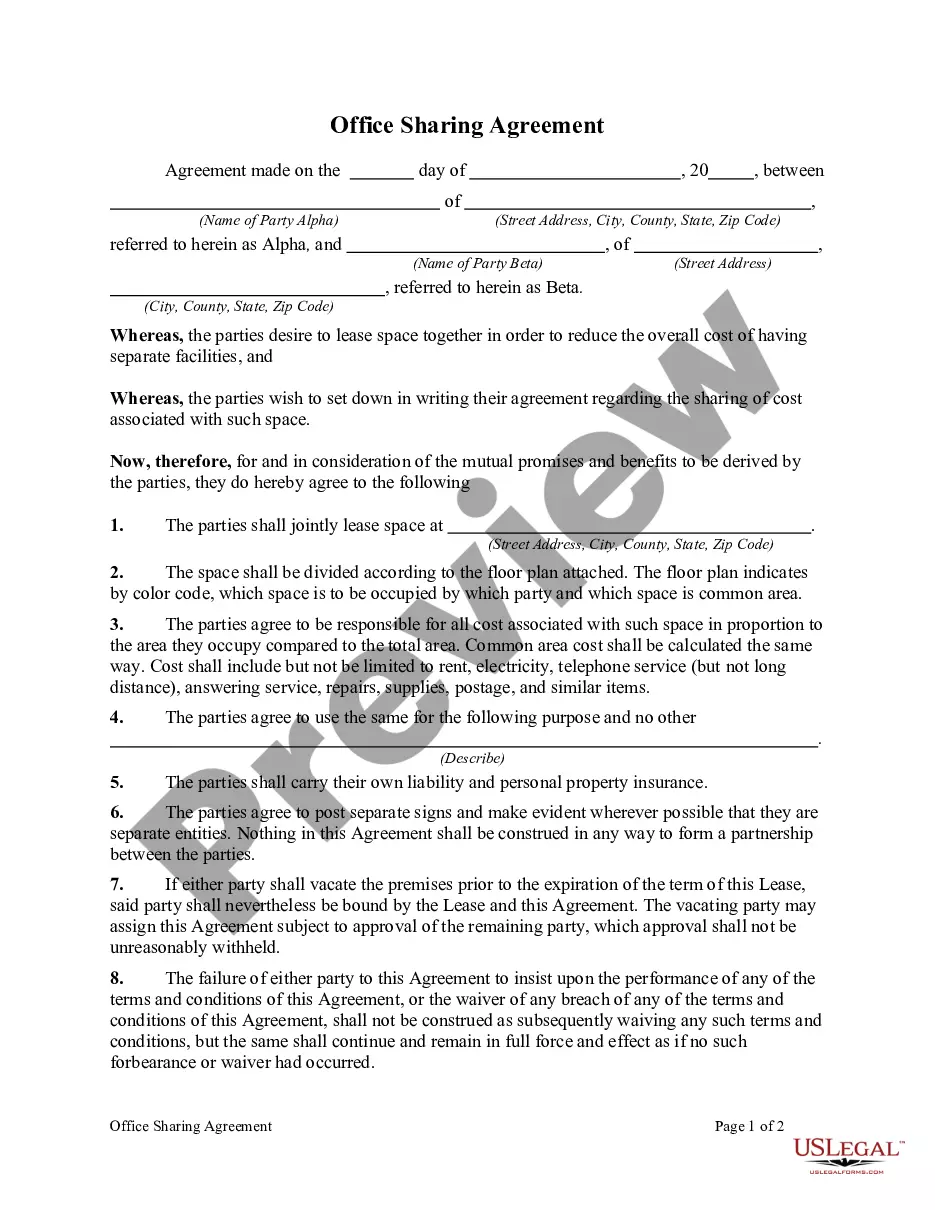
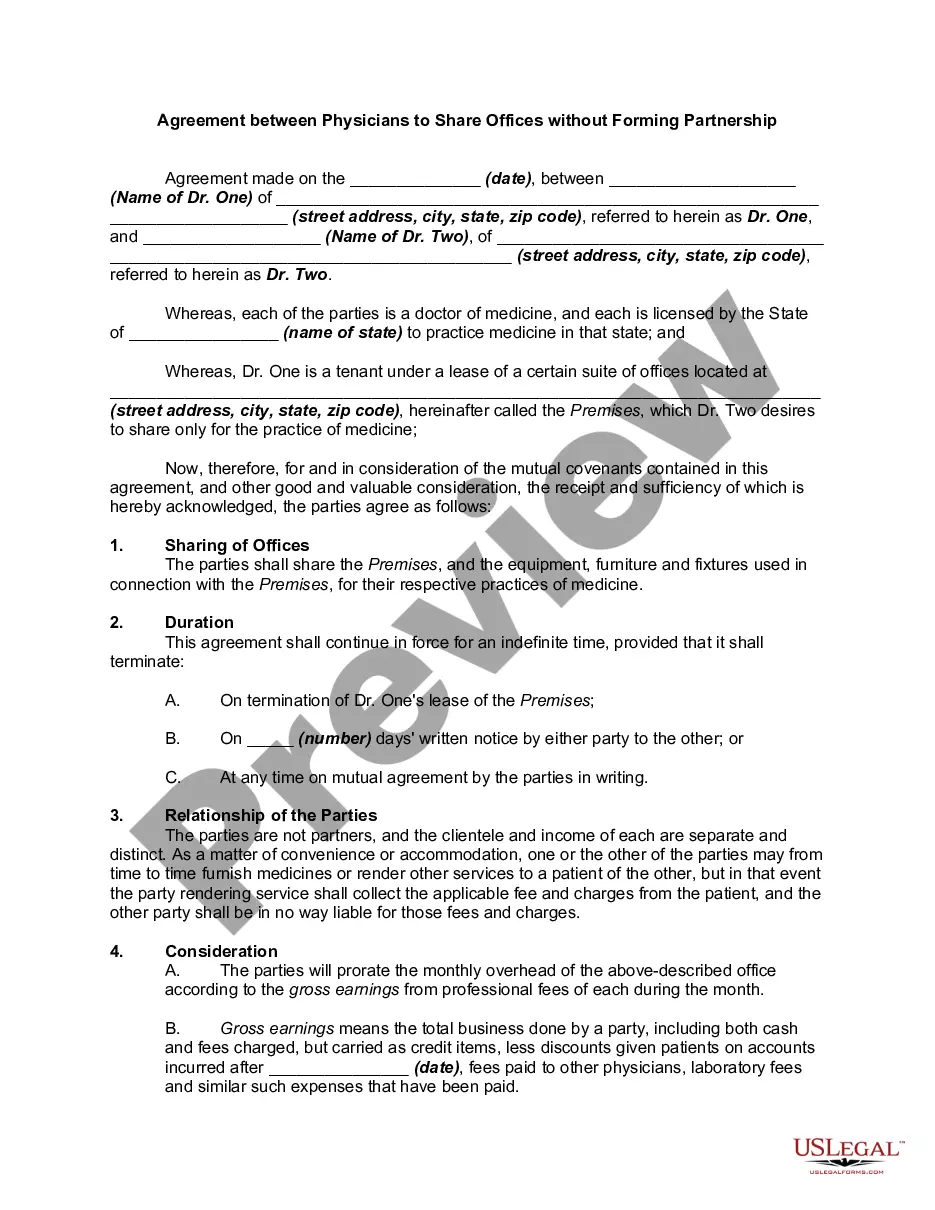
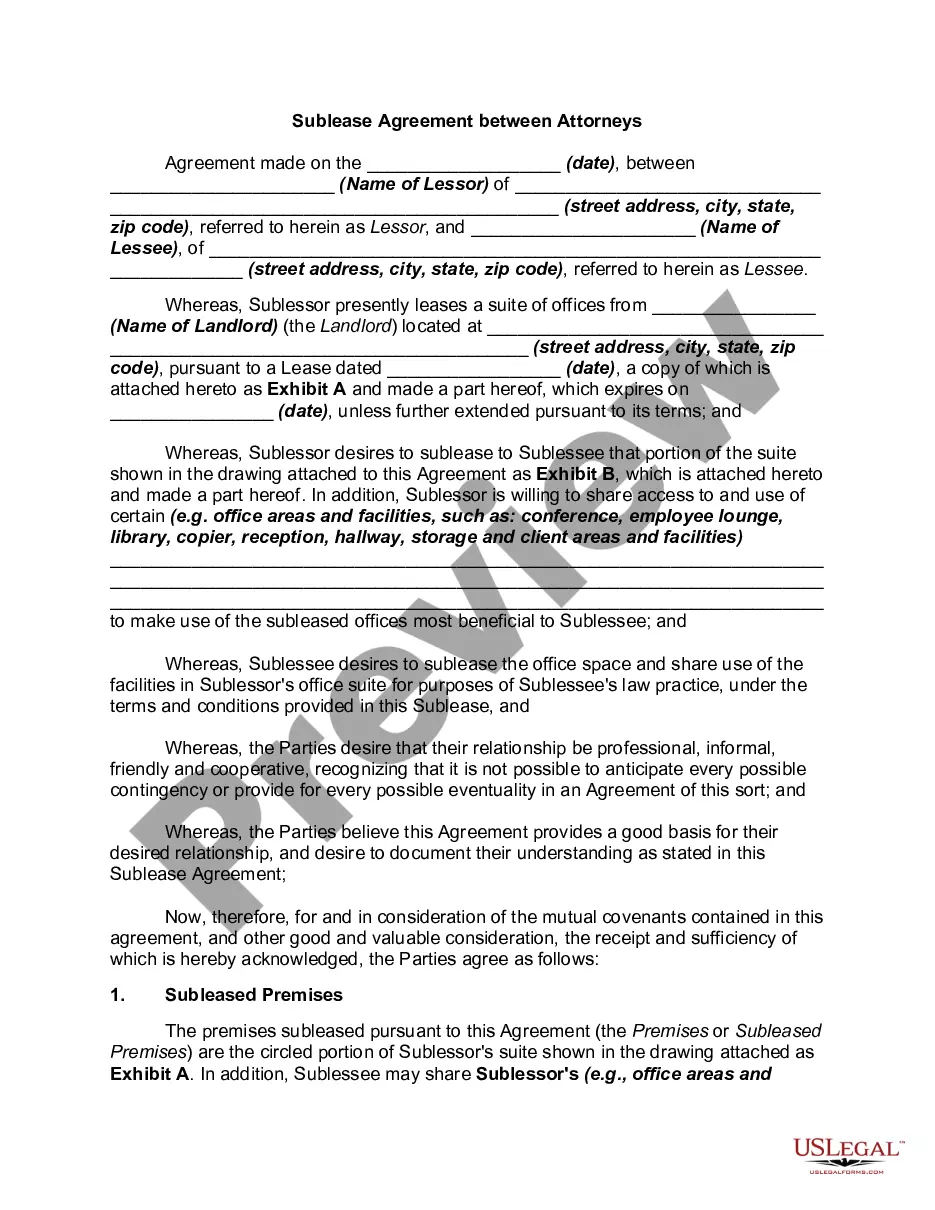
Get your form ready online
Our built-in tools help you complete, sign, share, and store your documents in one place.
Make edits, fill in missing information, and update formatting in US Legal Forms—just like you would in MS Word.
Download a copy, print it, send it by email, or mail it via USPS—whatever works best for your next step.
Sign and collect signatures with our SignNow integration. Send to multiple recipients, set reminders, and more. Go Premium to unlock E-Sign.
If this form requires notarization, complete it online through a secure video call—no need to meet a notary in person or wait for an appointment.
We protect your documents and personal data by following strict security and privacy standards.

Make edits, fill in missing information, and update formatting in US Legal Forms—just like you would in MS Word.

Download a copy, print it, send it by email, or mail it via USPS—whatever works best for your next step.

Sign and collect signatures with our SignNow integration. Send to multiple recipients, set reminders, and more. Go Premium to unlock E-Sign.

If this form requires notarization, complete it online through a secure video call—no need to meet a notary in person or wait for an appointment.

We protect your documents and personal data by following strict security and privacy standards.
Looking for another form?










Form popularity
FAQ
CLERK OF COURTS PURSUANT TO OHIO REVISED CODE 5321.07 Section 5321.07 of the Ohio Revised Code outlines the requirements for depositing rent with the Clerk of Court in lieu of sending it to your landlord. The Clerk is not authorized to approve or reject requests by tenants to deposit rent with the Clerk of Court.
While you can sue a tenant without a lease, there are a few things to consider before you proceed. First, tenants that do not have a written lease may still have significant protection under the law. Second, it can be more difficult to argue and win your case without a written lease to refer to.
In Ohio, tenants without a formal lease are still protected under the Ohio Revised Code Chapter 5321, which governs landlord-tenant relationships. Whether the agreement is verbal or implied through payment and occupancy, landlords must pursue eviction legally through the court system.
(A) Except as provided in division (C) of this section, the landlord or the tenant may terminate or fail to renew a week-to-week tenancy by notice given the other at least seven days prior to the termination date specified in the notice.
Yes, you can evict a tenant in Ohio without a written lease agreement. However, you must follow Ohio's eviction laws, including providing proper notice and obtaining a court order. The process is governed by Ohio landlord-tenant laws, which protect tenant rights even without a formal lease.
If tenant does not leave after 3 or 30 days, the landlord can file an Eviction Complaint in Franklin County Municipal Court. A copy of the Notice to Leave must be filed with the Complaint.
Section 5321.14 | Unconscionable terms. (B) When it is claimed or appears to the court that the rental agreement, or any clause thereof, may be unconscionable, the parties shall be afforded a reasonable opportunity to present evidence as to its setting, purpose, and effect to aid the court in making the determination.
“The tenant shall not unreasonably withhold consent for the landlord to enter into the dwelling unit in order to inspect the premises, make ordinary, necessary, or agreed repairs, decorations, alterations, or improvements, deliver parcels that are too large for the tenant's mail facilities, supply necessary or agreed ...
If there is no lease agreement, you likely have a month-to-month tenancy. Either you or the other person may terminate the tenancy by giving 30 days' notice in Ohio. If you want to evict the person, you must provide written notice to vacate and file an eviction lawsuit if they do not leave.
A. The landlord may not increase rent, decrease services, evict, or even threaten to evict you because you complained about needed repairs, have your home inspected by your local government housing inspector, or participated in a tenants' group or union.
