Premises Office Share With Tenants In Michigan
Description

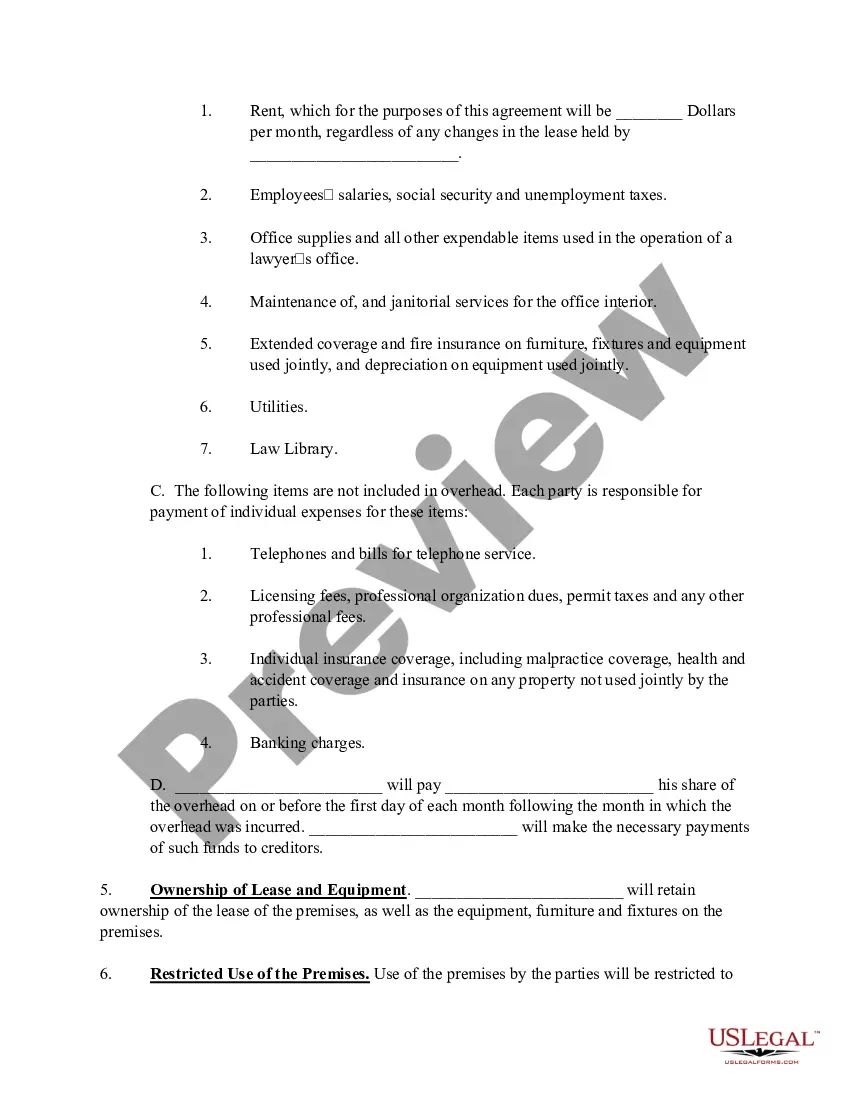
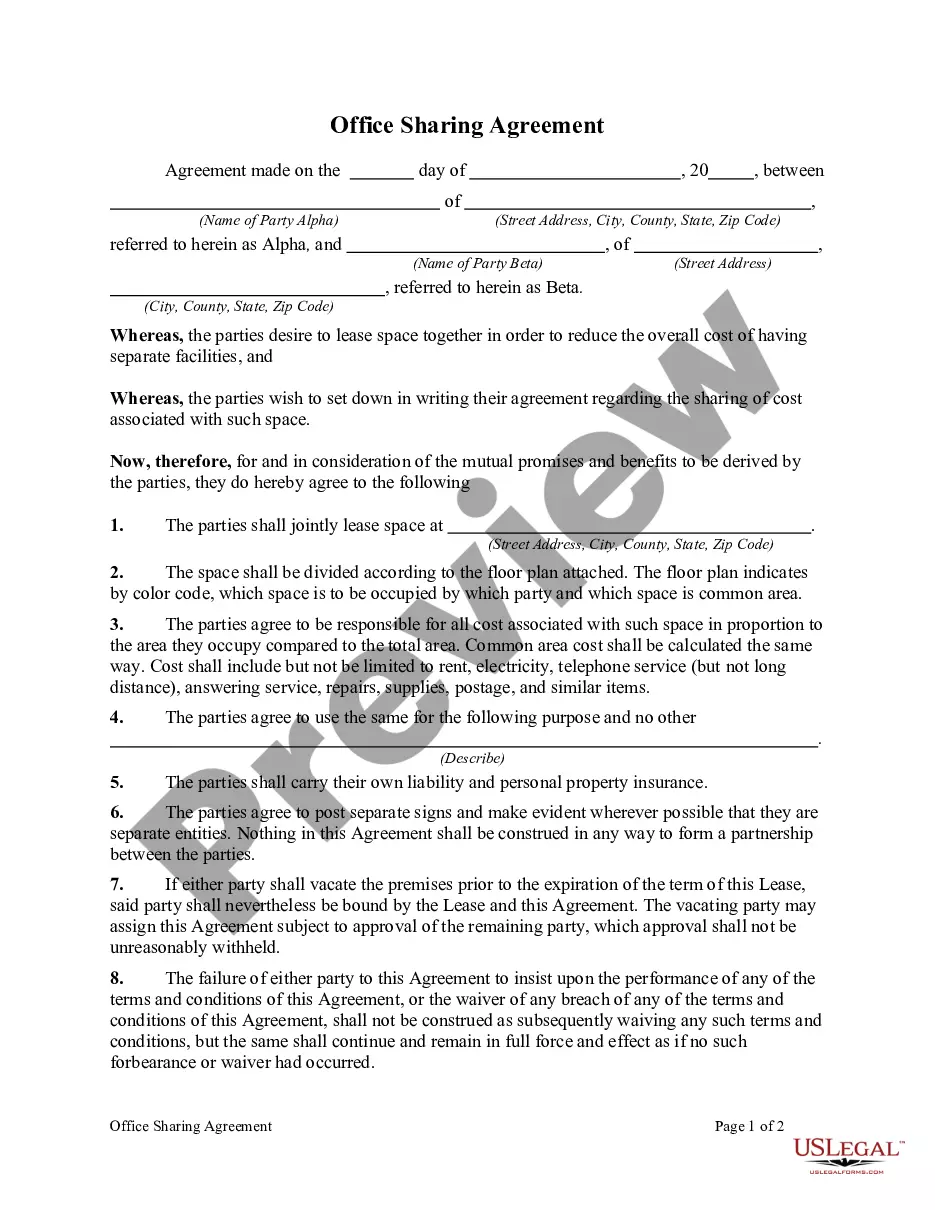
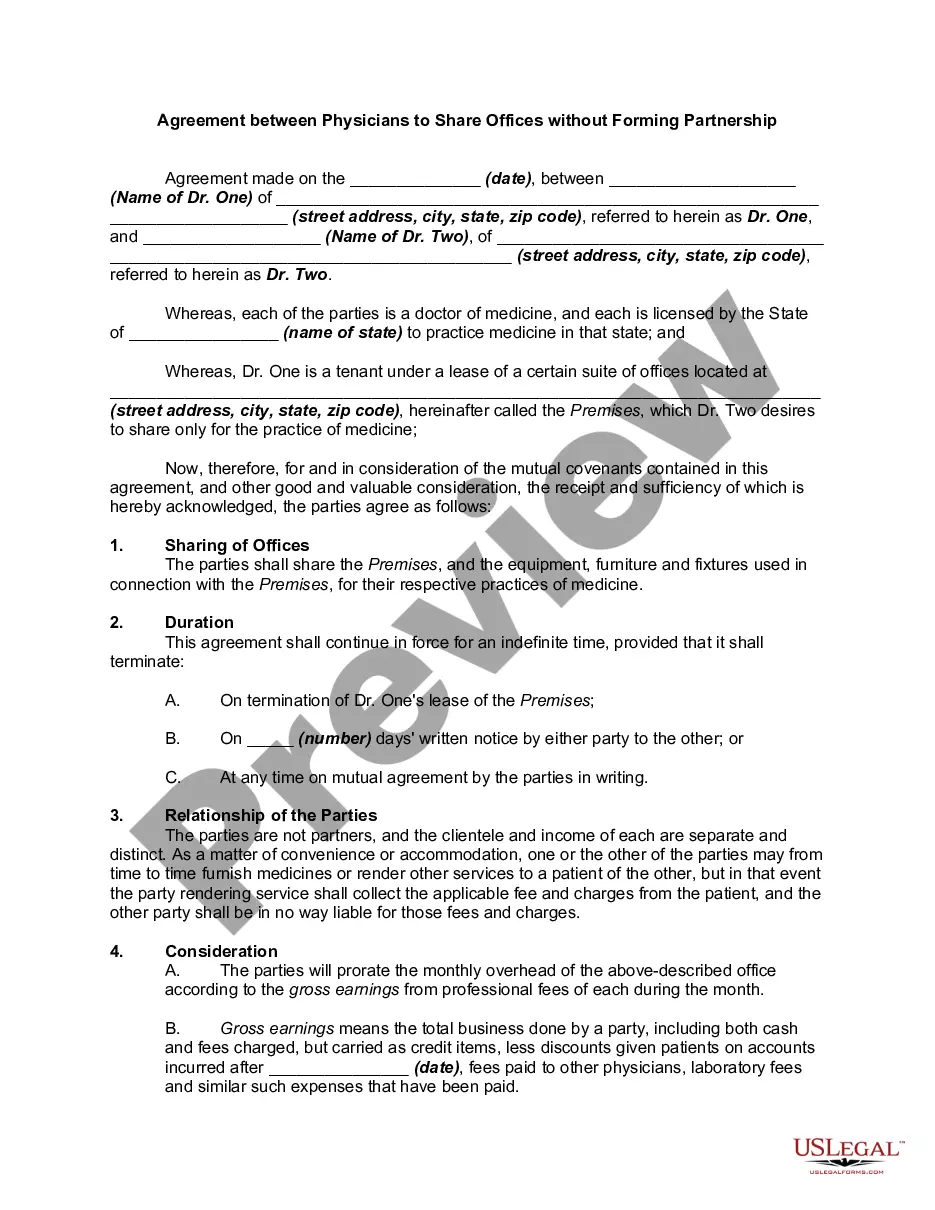
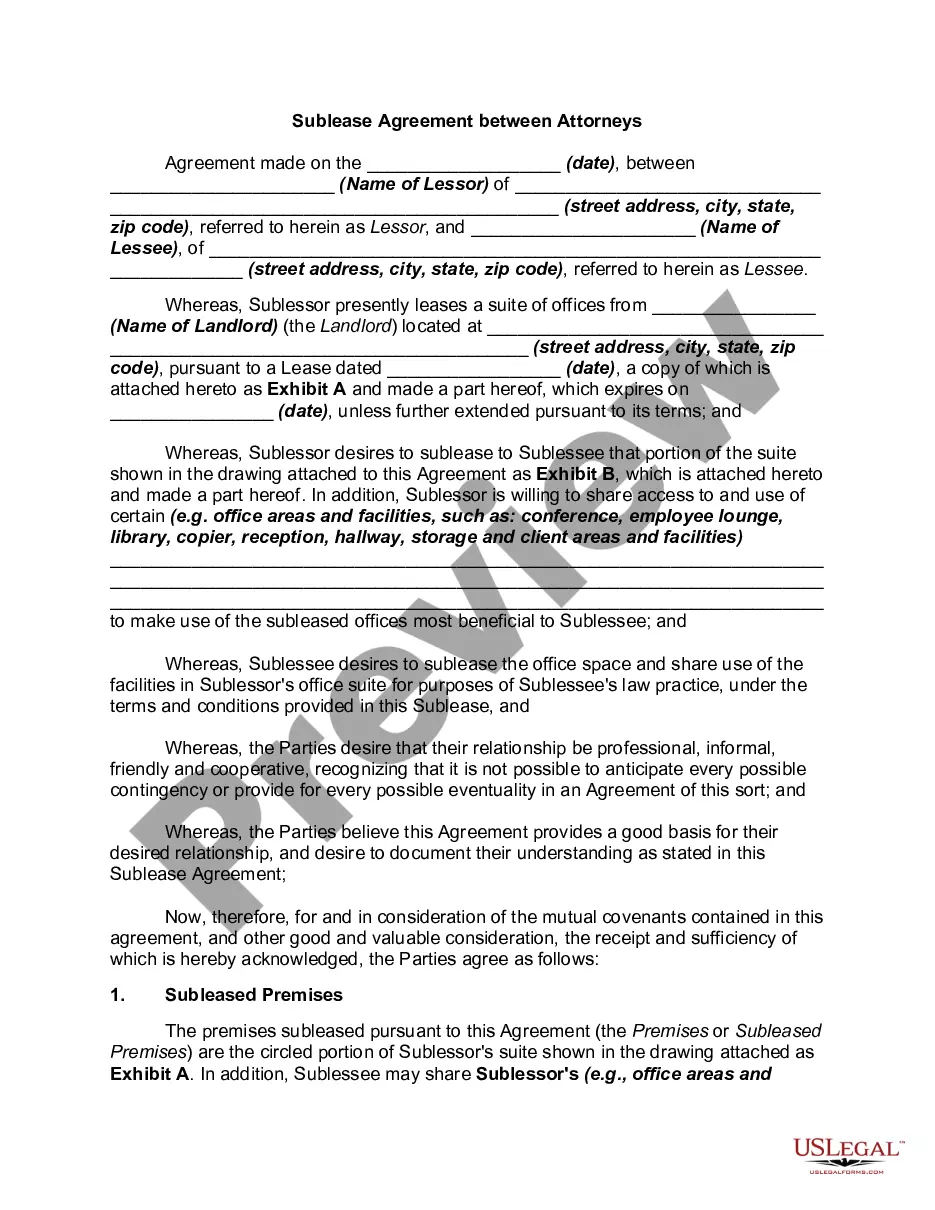
Get your form ready online
Our built-in tools help you complete, sign, share, and store your documents in one place.
Make edits, fill in missing information, and update formatting in US Legal Forms—just like you would in MS Word.
Download a copy, print it, send it by email, or mail it via USPS—whatever works best for your next step.
Sign and collect signatures with our SignNow integration. Send to multiple recipients, set reminders, and more. Go Premium to unlock E-Sign.
If this form requires notarization, complete it online through a secure video call—no need to meet a notary in person or wait for an appointment.
We protect your documents and personal data by following strict security and privacy standards.

Make edits, fill in missing information, and update formatting in US Legal Forms—just like you would in MS Word.

Download a copy, print it, send it by email, or mail it via USPS—whatever works best for your next step.

Sign and collect signatures with our SignNow integration. Send to multiple recipients, set reminders, and more. Go Premium to unlock E-Sign.

If this form requires notarization, complete it online through a secure video call—no need to meet a notary in person or wait for an appointment.

We protect your documents and personal data by following strict security and privacy standards.
Looking for another form?






Form popularity
FAQ
Some leases explicitly forbid conducting any kind of business on the premises, while others might allow it with certain restrictions, like not allowing customer visits or limiting the type of business you can run. It's crucial to read your lease thoroughly.
5 Things You Should Never Say When Renting an Apartment 'I hate my current landlord' Every potential landlord is going to ask why you're moving. 'Let me ask you one more question' ... 'I can't wait to get a puppy' ... 'My partner works right up the street' ... 'I move all the time'
Tenants have a right to privacy, and landlords cannot share their personal information, such as credit reports or rental history, with others without the tenant's permission.
It might seem like a no-brainer, but it's a landlord's responsibility to keep every tenant's personal and credit information protected. In most states, in fact, it is illegal for landlords to release any financial information about a tenant or prospective tenant to a third party without written consent.
A landlord can contact your employer if they have a legitimate reason to. However it is good practice for them to get your permission first or have a valid reason.
(WNDU) - A new law in Michigan makes it harder for landlords to discriminate against renters. It prohibits landlords with five or more rental units from denying tenancy based on a person's non-wage income source. That can include things like housing vouchers, social security or veterans' benefits.
Gretchen Whitmer signed the final bills Thursday, Jan. 16 of a new housing discrimination law that offers more protections to renters. The two House Bills, 4062 and 4063, are part of tie-barred package that prevent landlords from denying a renter housing based on their source of income, like housing vouchers.
(a) No person, entity or owner shall lease, rent or cause to be occupied a rental dwelling or rental unit without a valid certificate of compliance issued by the Building Department in the name of the owner or responsible local agent and issued for the specific rental dwelling and rental unit.
557.71 Equal rights of husband and wife holding property as tenants by entirety. Sec. 1. A husband and wife shall be equally entitled to the rents, products, income, or profits, and to the control and management of real or personal property held by them as tenants by the entirety.
