A Protective Covenant With The Land In Oakland
Description

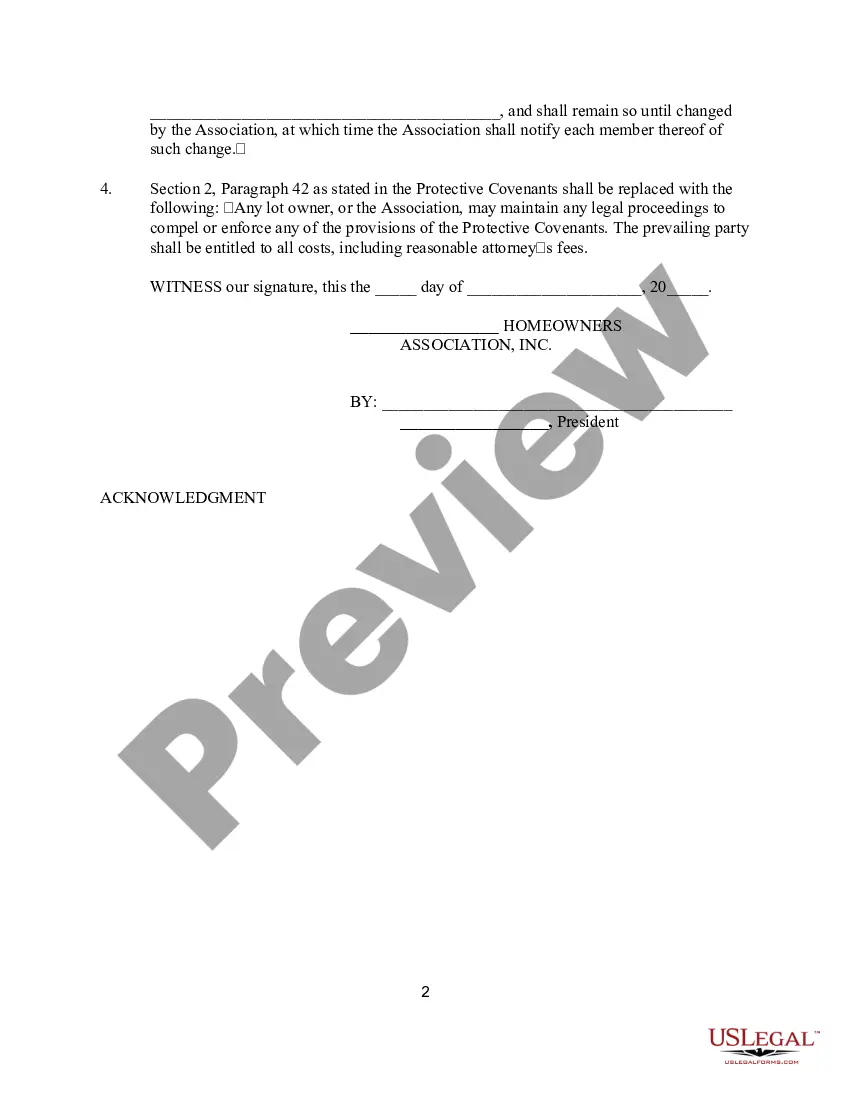
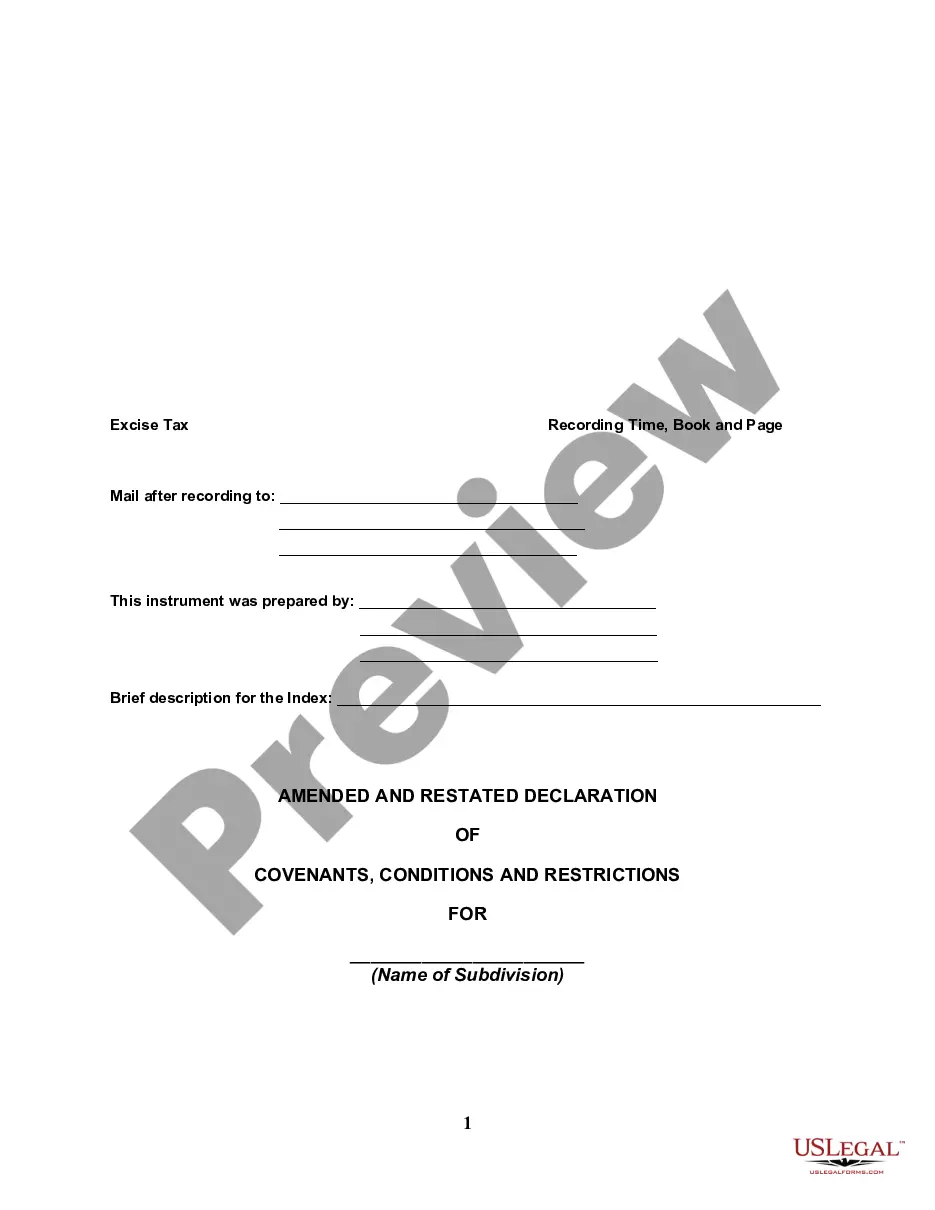
Get your form ready online
Our built-in tools help you complete, sign, share, and store your documents in one place.
Make edits, fill in missing information, and update formatting in US Legal Forms—just like you would in MS Word.
Download a copy, print it, send it by email, or mail it via USPS—whatever works best for your next step.
Sign and collect signatures with our SignNow integration. Send to multiple recipients, set reminders, and more. Go Premium to unlock E-Sign.
If this form requires notarization, complete it online through a secure video call—no need to meet a notary in person or wait for an appointment.
We protect your documents and personal data by following strict security and privacy standards.

Make edits, fill in missing information, and update formatting in US Legal Forms—just like you would in MS Word.

Download a copy, print it, send it by email, or mail it via USPS—whatever works best for your next step.

Sign and collect signatures with our SignNow integration. Send to multiple recipients, set reminders, and more. Go Premium to unlock E-Sign.

If this form requires notarization, complete it online through a secure video call—no need to meet a notary in person or wait for an appointment.

We protect your documents and personal data by following strict security and privacy standards.
Looking for another form?

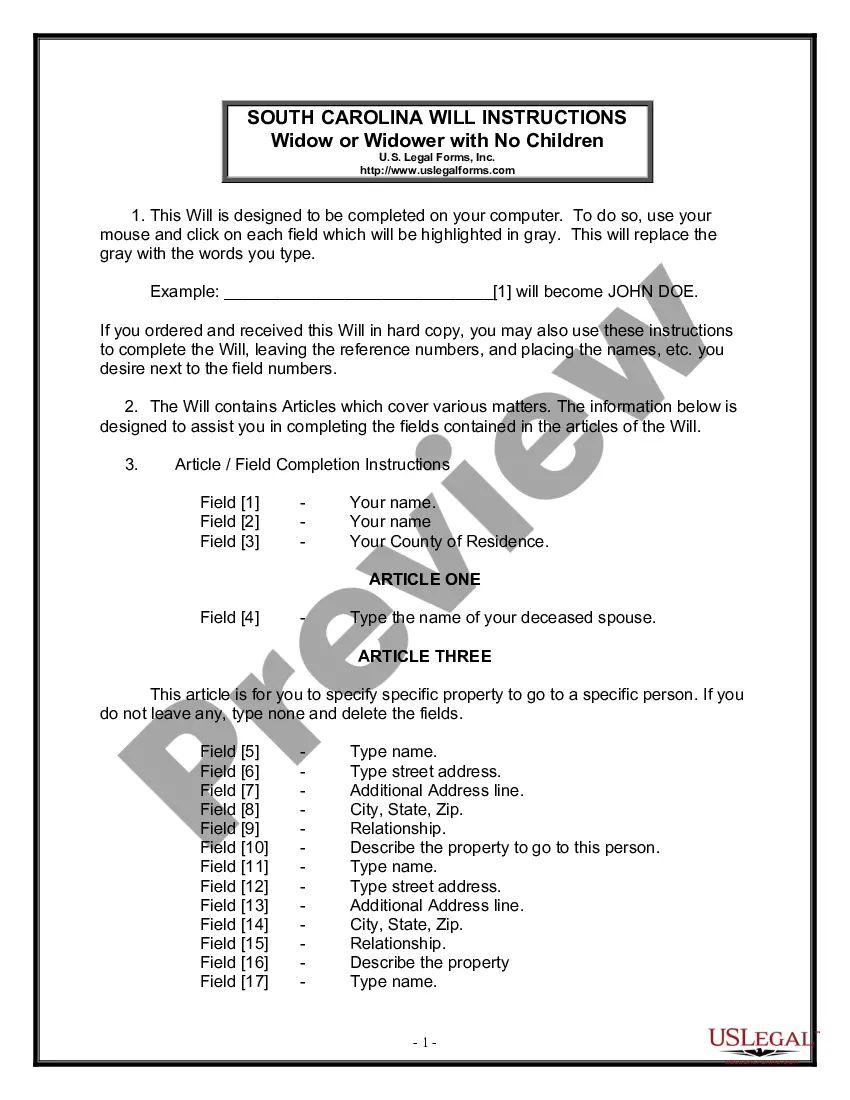




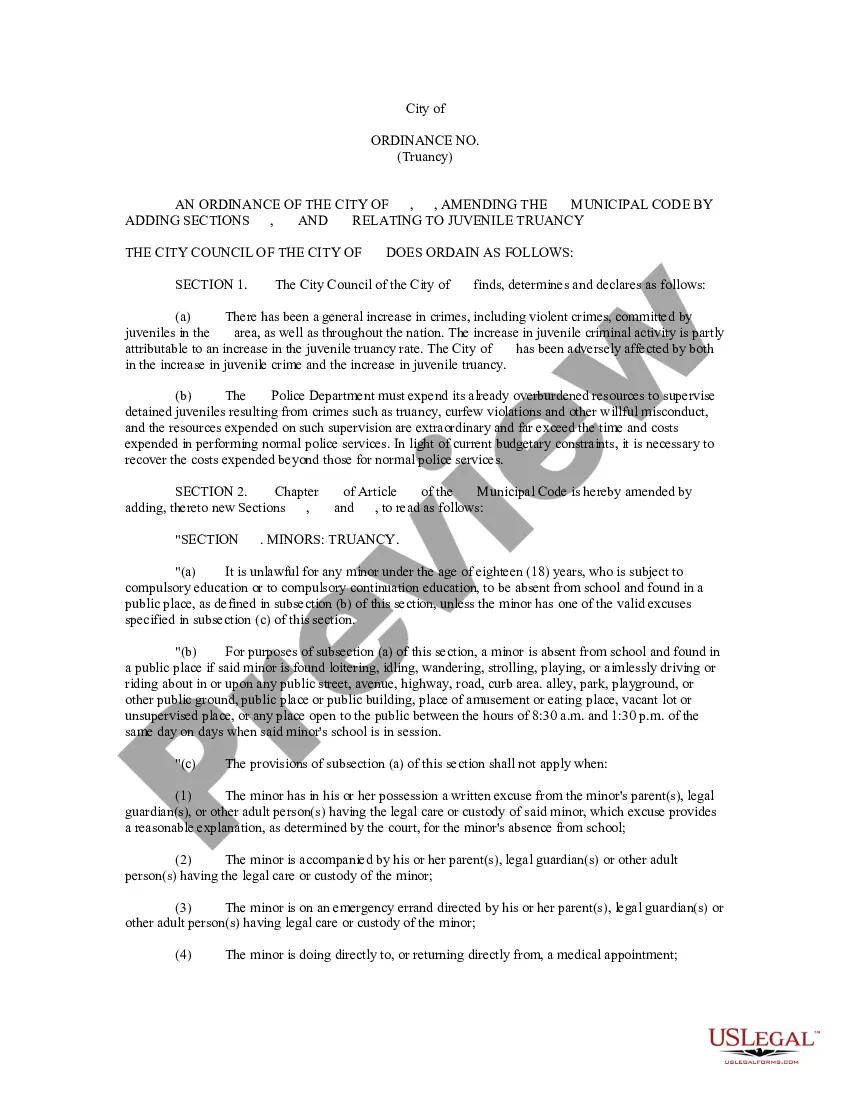


Form popularity
FAQ
My limited understanding is, restrictive covenants are only enforceable by a home owners association created among them. A local government isn't going to swoop in and enforce, or defend, a covenant that you created on your property. The local government is only concerned with land use ordinance's and state laws.
Covenants are promises or stipulations that are part of written contracts. Many times, these are related to property, such as a vehicle. If one of the parties — either the borrower or lender — involved in the contract fails to meet the agreed-upon conditions, it is considered a breach of covenant.
If a deed restriction is not enforceable, you can choose to ignore it and take on the risk of a neighbor filing suit, or you can seek out a judge's ruling to have the covenant removed from the deed. Obtaining that ruling is easier when no one is actively enforcing the covenant.
The primary remedy for breach of a Restrictive Covenant is a permanent injunction to restrain the breach. However, the courts have jurisdiction to award damages instead of an injunction.
Restrictive covenants are usually enforced by the association's board. These agreements are also called Declarations of Covenants, Conditions, and Restrictions (CC&Rs).
In a covenant that runs with the land, the subsequent landowner of property subject to the covenant will continue being burdened or benefited by the covenant. This is in contrast to a personal covenant, or a covenant that only binds the original parties of the covenant and will not pass to the subsequent parties.
It is possible to apply to the Lands Chamber of the Upper Tribunal to have a restrictive covenant “discharged or modified”, as the statute puts it, in order to get the covenant removed or changed so that development can take place or the use of the land can be changed.
A real covenant is only enforceable if it was created intentionally, it relates to the property in question, and two kinds of privity are established. Additionally, a real covenant must be in writing.
There are several covenants in the Bible, but five covenants are crucial for understanding the story of the Bible and God's redemptive plan: the Noahic Covenant, the Abrahamic Covenant, The Mosaic Covenant, the Davidic Covenant and the New Covenant.
