A Protective Covenant For Indemnity In Dallas
Description

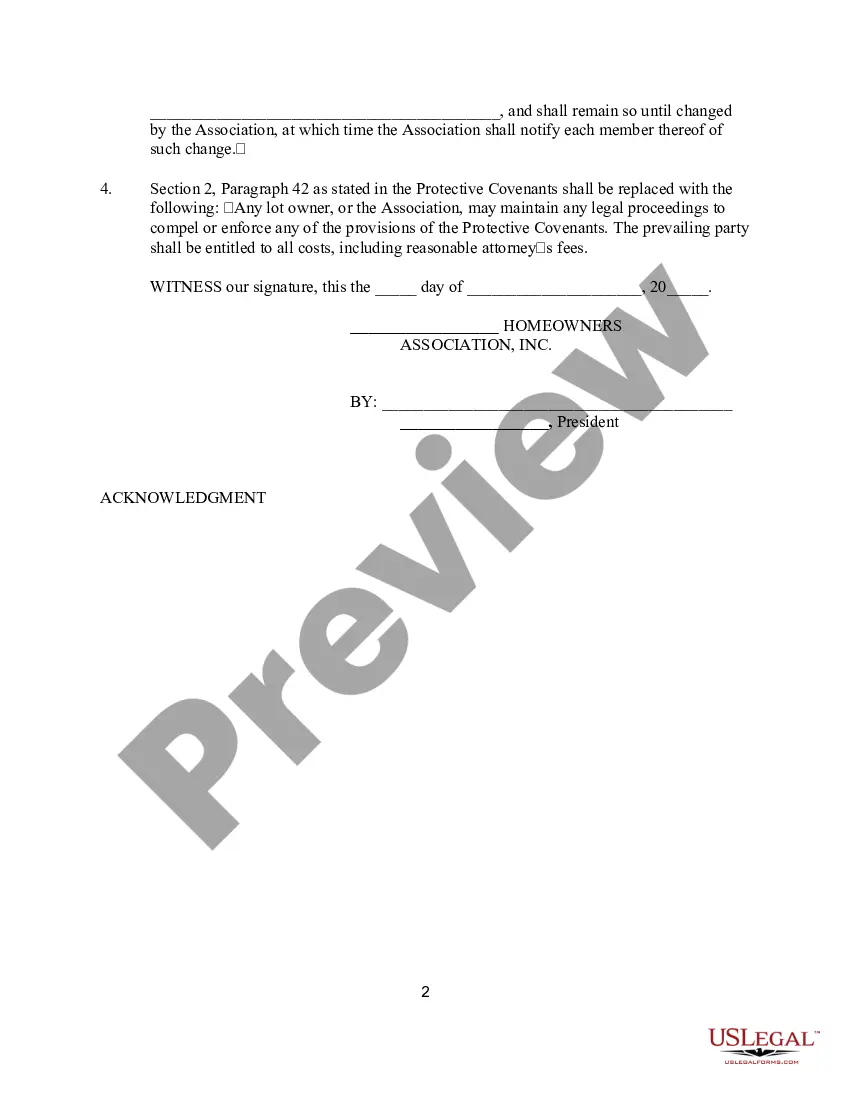
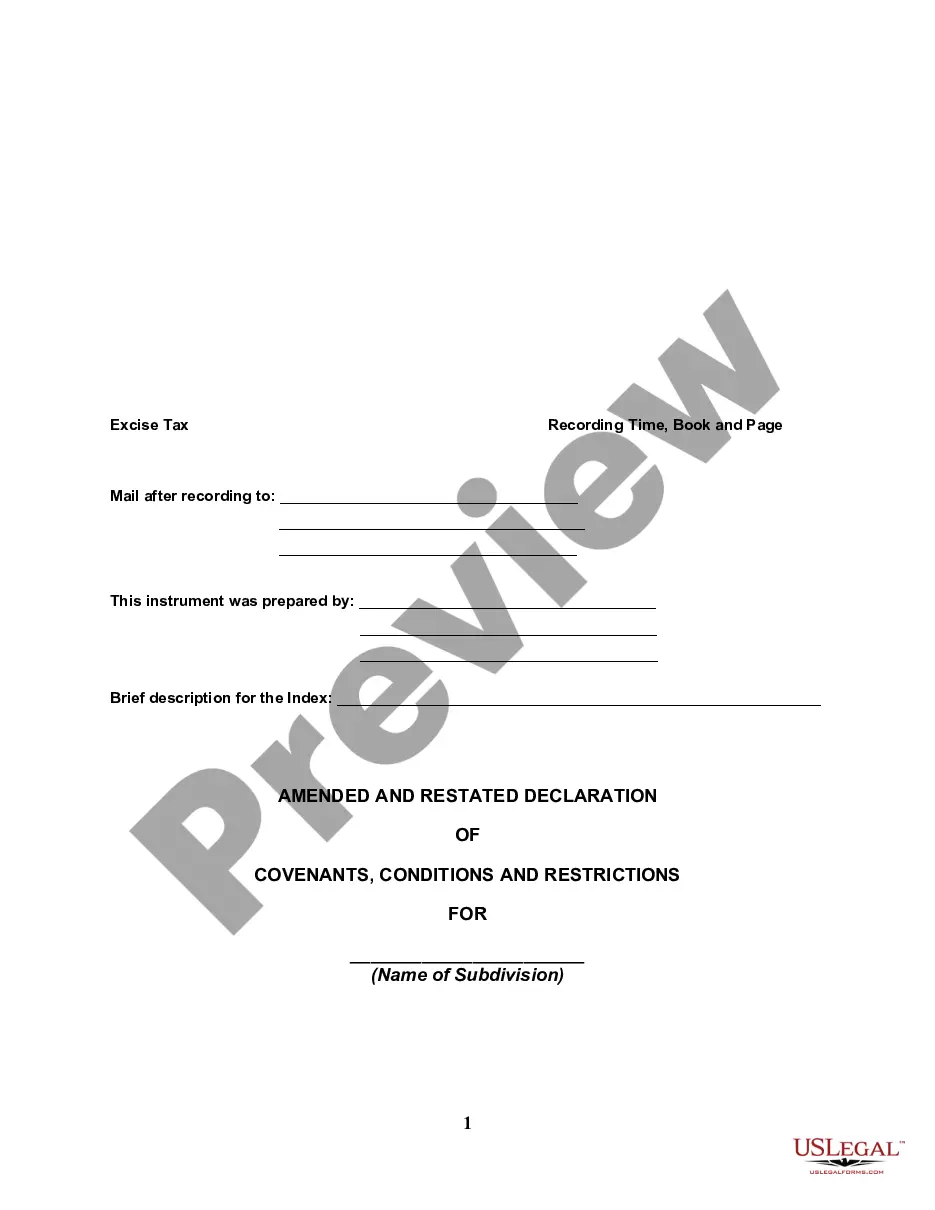
Get your form ready online
Our built-in tools help you complete, sign, share, and store your documents in one place.
Make edits, fill in missing information, and update formatting in US Legal Forms—just like you would in MS Word.
Download a copy, print it, send it by email, or mail it via USPS—whatever works best for your next step.
Sign and collect signatures with our SignNow integration. Send to multiple recipients, set reminders, and more. Go Premium to unlock E-Sign.
If this form requires notarization, complete it online through a secure video call—no need to meet a notary in person or wait for an appointment.
We protect your documents and personal data by following strict security and privacy standards.

Make edits, fill in missing information, and update formatting in US Legal Forms—just like you would in MS Word.

Download a copy, print it, send it by email, or mail it via USPS—whatever works best for your next step.

Sign and collect signatures with our SignNow integration. Send to multiple recipients, set reminders, and more. Go Premium to unlock E-Sign.

If this form requires notarization, complete it online through a secure video call—no need to meet a notary in person or wait for an appointment.

We protect your documents and personal data by following strict security and privacy standards.
Looking for another form?





Form popularity
FAQ
In its widest sense, "indemnity" means protection against, or compensation for, a loss or liability. Some indemnity claims arise by operation of law.
The Texas Anti-Indemnity Act prohibits certain types of indemnity clauses that require one party to indemnify another for their own negligence. This affects the allocation of risk between the parties and, consequently, the insurance coverage needed to protect them.
An indemnity insurance policy covers a legal defect with the property that either can't be resolved or would be very costly and/or time consuming to do so. So, instead of trying to fix the problem, you simply take out the insurance to protect you against an expensive bill in the future.
An indemnity clause is a contractual clause providing that one party is responsible for any losses or damages arising from a certain event or set of circumstances. In effect, the indemnity clause shifts the risk of that event occurring from the indemnified party to the indemnifying party.
Stat. 13-80-102. A cause of action for indemnity does not arise until the liability of the party seeking indemnification either pays a sum clearly owed or the injured party obtains an enforceable judgment.
In the UK, indemnity covenants are agreements between two parties in which one party, the indemnifier, agrees to compensate the other party, the indemnified party, for any losses or damages that may occur as a result of a specific event or occurrence.
How to Write an Indemnity Agreement Consider the Indemnity Laws in Your Area. Draft the Indemnification Clause. Outline the Indemnification Period and Scope of Coverage. State the Indemnification Exceptions. Specify How the Indemnitee Notifies the Indemnitor About Claims. Write the Settlement and Consent Clause.
