Restrictive Covenants In Commercial Contracts In Washington
Description

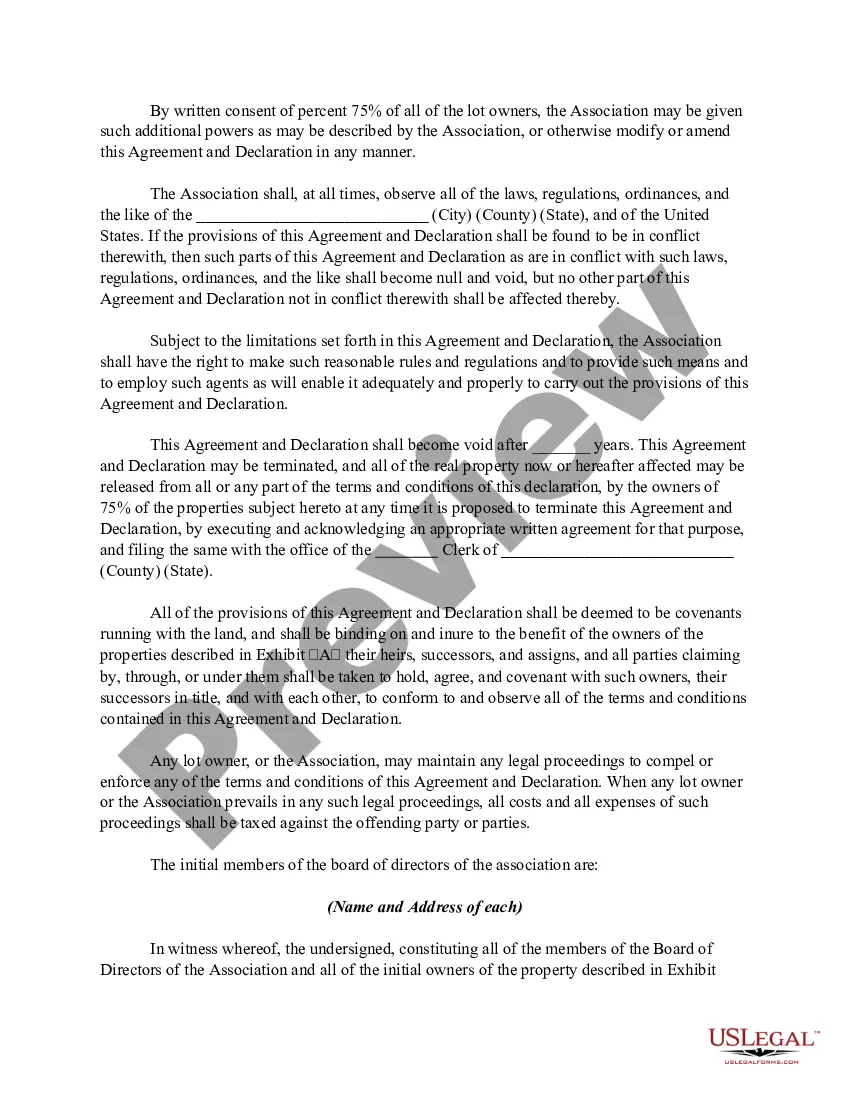
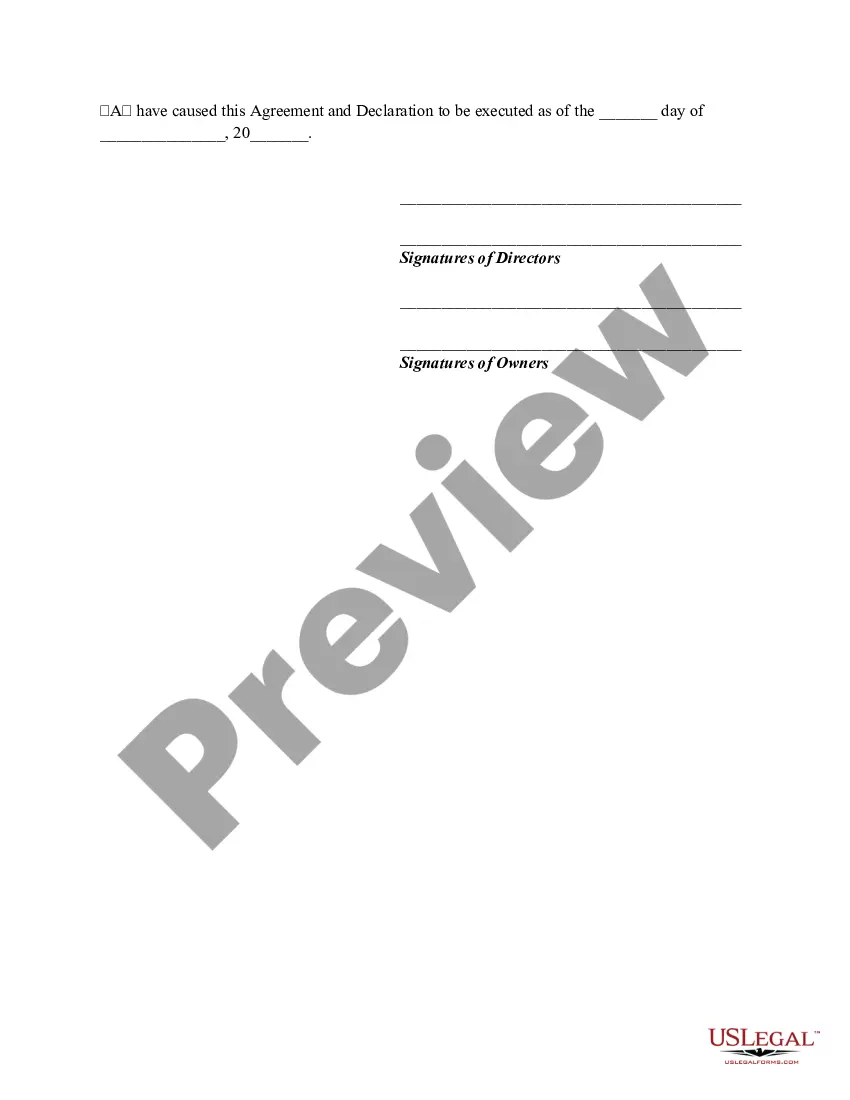
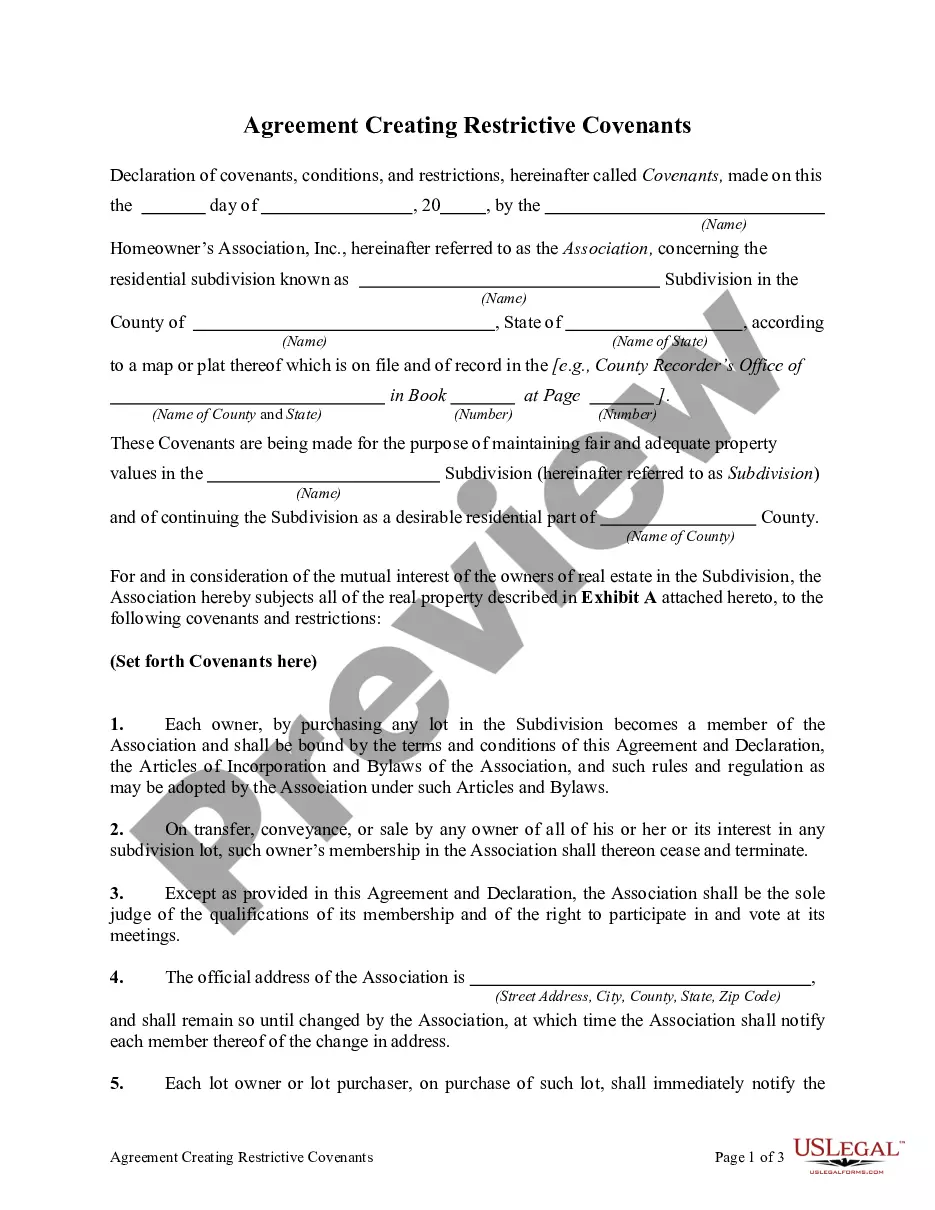
Get your form ready online
Our built-in tools help you complete, sign, share, and store your documents in one place.
Make edits, fill in missing information, and update formatting in US Legal Forms—just like you would in MS Word.
Download a copy, print it, send it by email, or mail it via USPS—whatever works best for your next step.
Sign and collect signatures with our SignNow integration. Send to multiple recipients, set reminders, and more. Go Premium to unlock E-Sign.
If this form requires notarization, complete it online through a secure video call—no need to meet a notary in person or wait for an appointment.
We protect your documents and personal data by following strict security and privacy standards.

Make edits, fill in missing information, and update formatting in US Legal Forms—just like you would in MS Word.

Download a copy, print it, send it by email, or mail it via USPS—whatever works best for your next step.

Sign and collect signatures with our SignNow integration. Send to multiple recipients, set reminders, and more. Go Premium to unlock E-Sign.

If this form requires notarization, complete it online through a secure video call—no need to meet a notary in person or wait for an appointment.

We protect your documents and personal data by following strict security and privacy standards.
Looking for another form?
Form popularity
FAQ
Restrictive covenants are clauses in commercial contracts that limit what a party can do, to protect your business interests. The primary purpose of a restrictive covenant in a commercial contract is to restrict the other party from engaging in certain commercial activities.
If a deed restriction is not enforceable, you can choose to ignore it and take on the risk of a neighbor filing suit, or you can seek out a judge's ruling to have the covenant removed from the deed. Obtaining that ruling is easier when no one is actively enforcing the covenant.
No. Restrictive covenants have been void in Washington since 1969.
How do I challenge a restrictive covenant? Express release: It may be possible to negotiate the release or variation of a restrictive covenant. Indemnity insurance: It is possible to obtain indemnity insurance to protect against the risk of a person with the benefit of a restrictive covenant seeking to enforce it.
To officially end the restrictive covenants, it may be necessary to file a lawsuit seeking a declaration from a court that the covenants are no longer enforceable. This can be a complex legal process that may require the assistance of an attorney.
Washington has restricted noncompete agreements since 2020 by prohibiting their use unless the following apply: The worker earns more than a minimum compensation amount, which is adjusted annually. For 2024, the threshold is $120,559.99 for employees and $301,399.98 for independent contractors.
Only employees or independent contractors who earn more than the thresholds established by law can be held to non-competition agreements. If an employee or independent contractor has earnings less than the threshold specified under law, the non-compete agreements is considered void and unenforceable under RCW 49.62.
No. Restrictive covenants have been void in Washington since 1969.
In the case of an HOA, restrictive covenants are general rules that members of your HOA vote on that all property owners living in the area must follow. The covenant may include actions you can't take with your property, like raising livestock or running a business from your home.
