Arbitration Agreement In Maricopa
Description

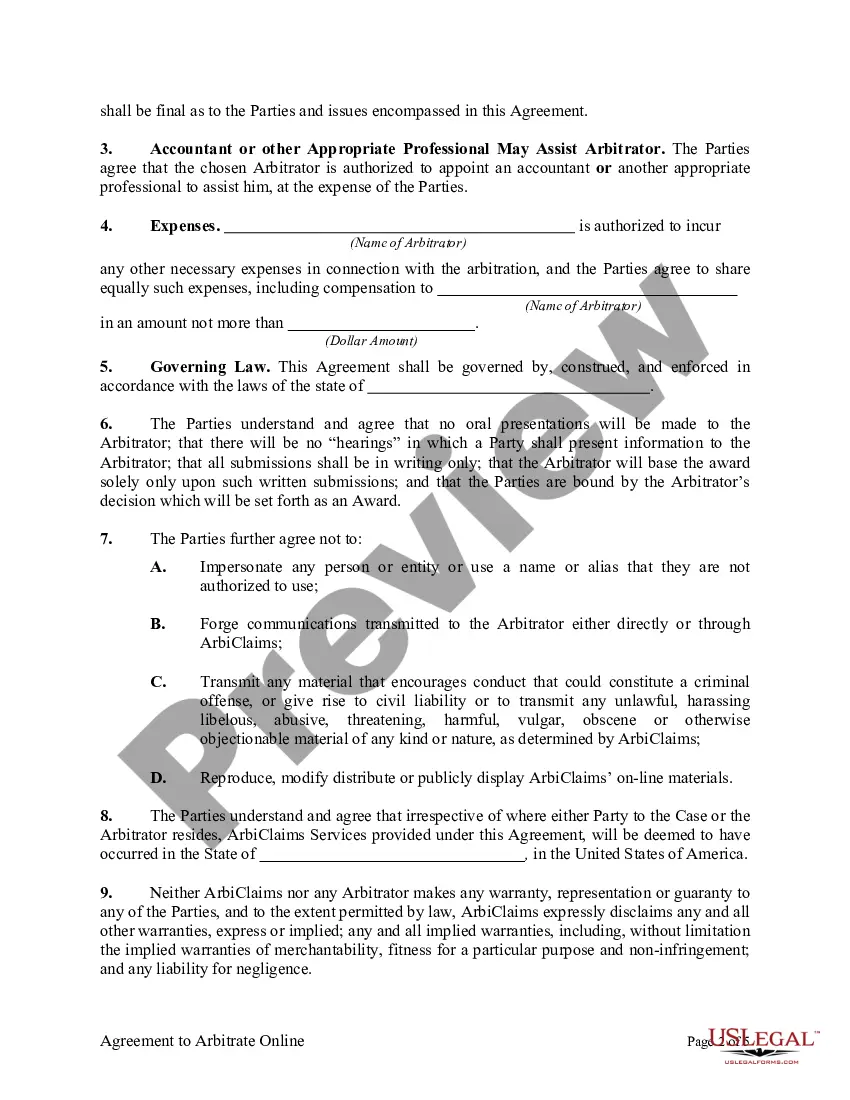
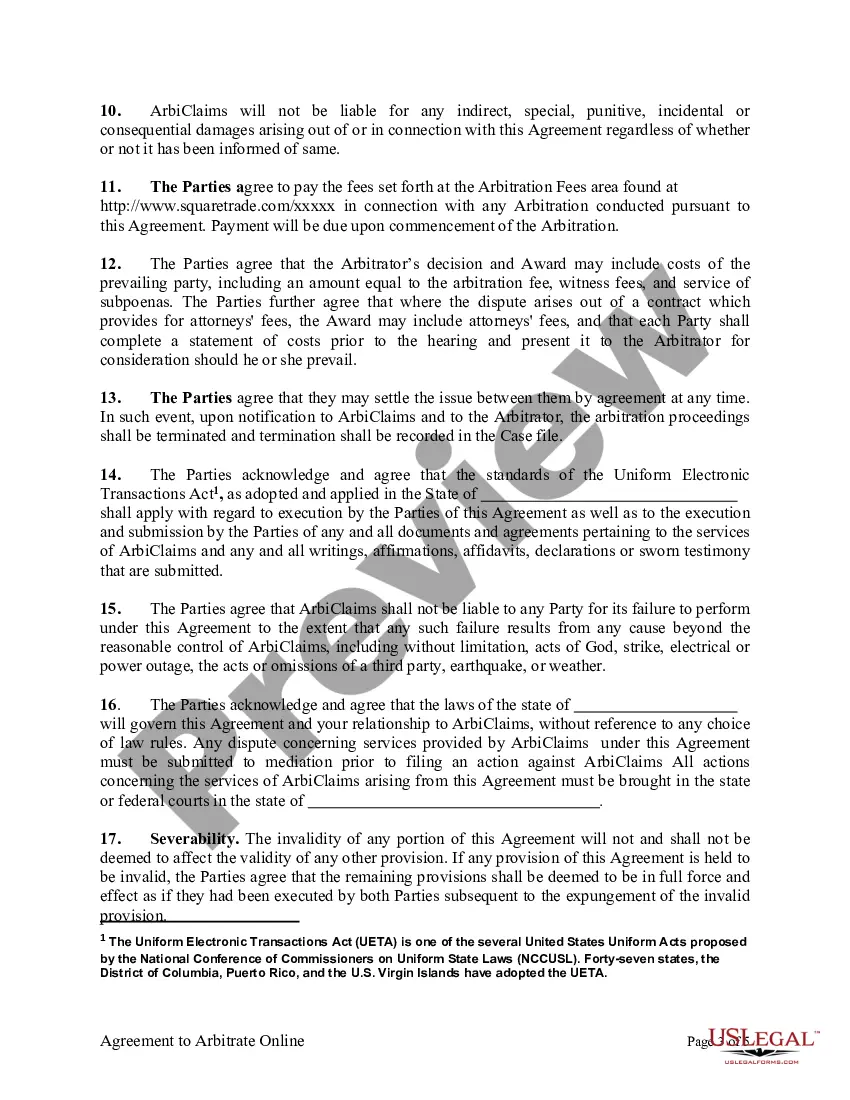

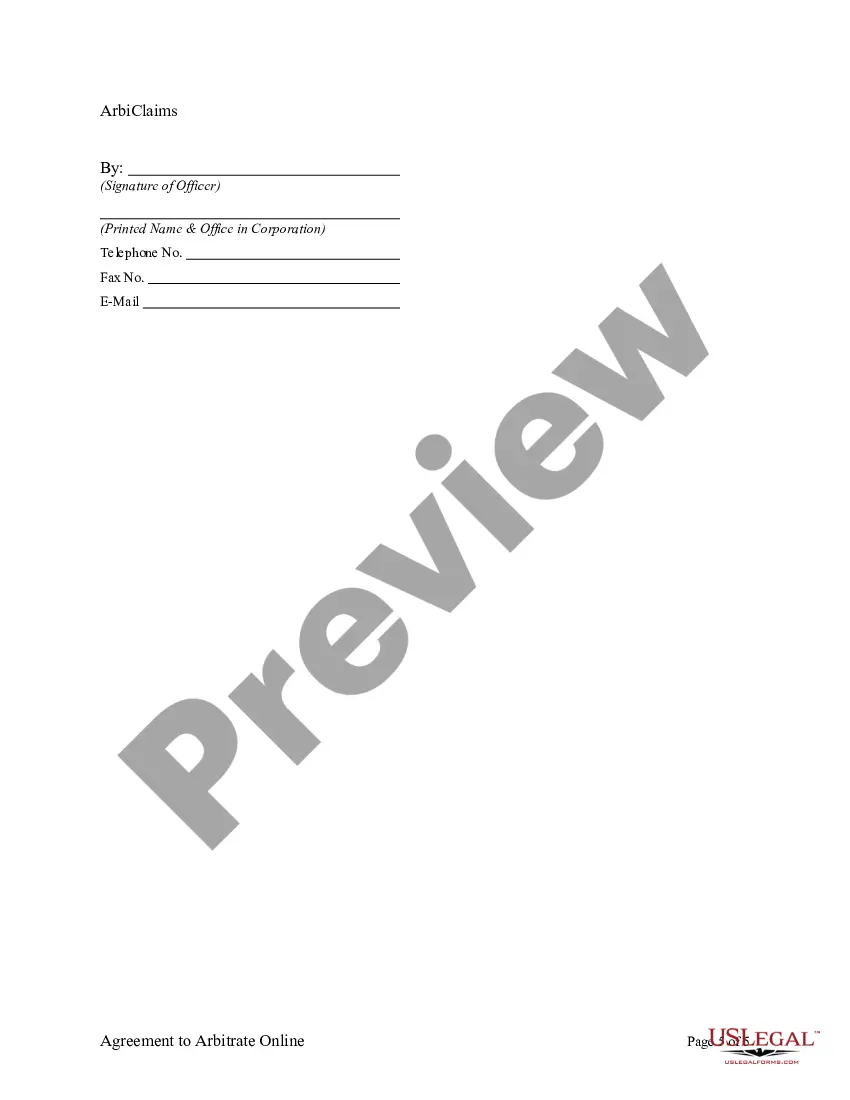



Get your form ready online
Our built-in tools help you complete, sign, share, and store your documents in one place.
Make edits, fill in missing information, and update formatting in US Legal Forms—just like you would in MS Word.
Download a copy, print it, send it by email, or mail it via USPS—whatever works best for your next step.
Sign and collect signatures with our SignNow integration. Send to multiple recipients, set reminders, and more. Go Premium to unlock E-Sign.
If this form requires notarization, complete it online through a secure video call—no need to meet a notary in person or wait for an appointment.
We protect your documents and personal data by following strict security and privacy standards.

Make edits, fill in missing information, and update formatting in US Legal Forms—just like you would in MS Word.

Download a copy, print it, send it by email, or mail it via USPS—whatever works best for your next step.

Sign and collect signatures with our SignNow integration. Send to multiple recipients, set reminders, and more. Go Premium to unlock E-Sign.

If this form requires notarization, complete it online through a secure video call—no need to meet a notary in person or wait for an appointment.

We protect your documents and personal data by following strict security and privacy standards.
Looking for another form?



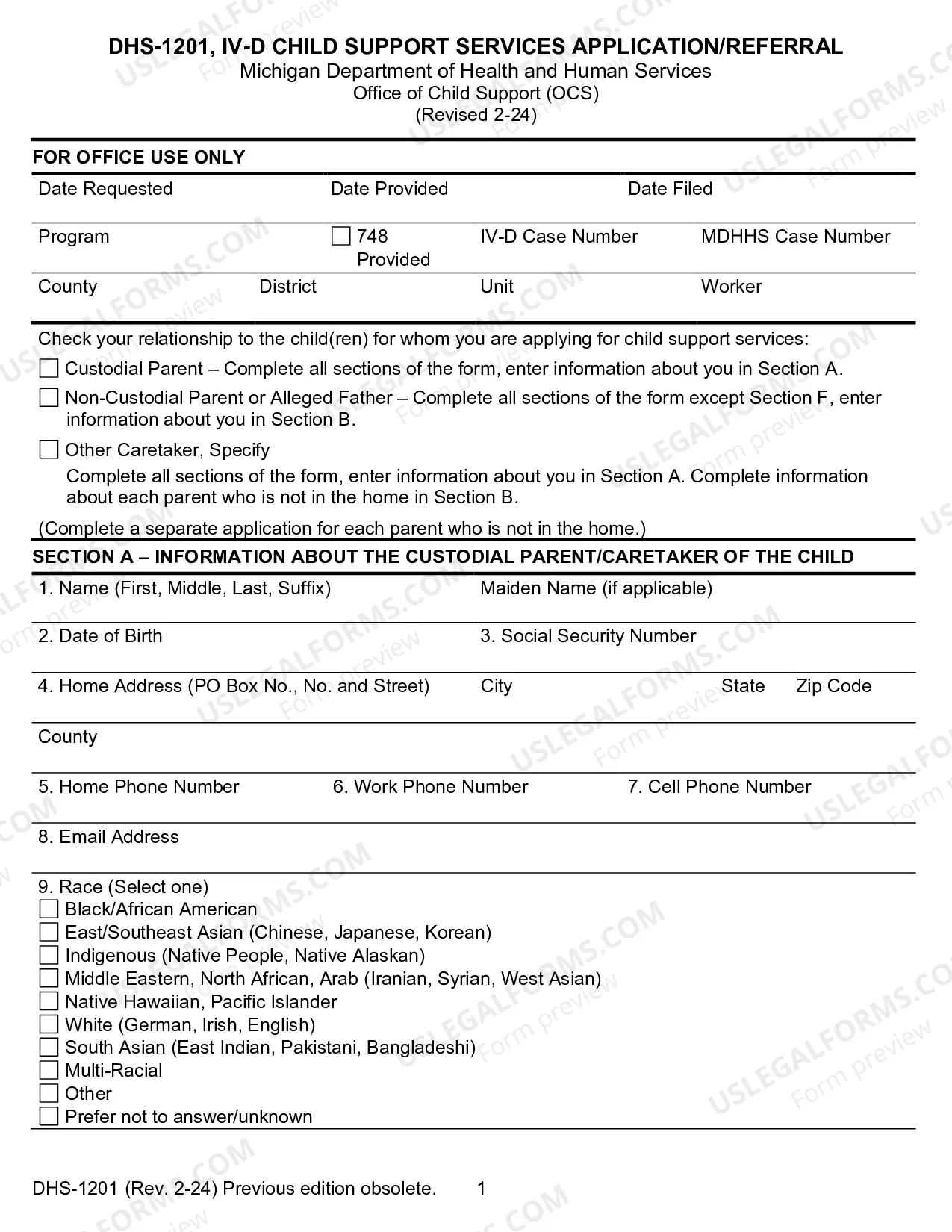



Form popularity
FAQ
Limited Appeal Options: One of the most significant downsides of arbitration is that it offers very limited options for appeal. Once the arbitrator makes a decision, it's usually final unless there was a substantial legal oversight.
If you've been sued for a debt, check your credit card agreement for an arbitration clause and file a Motion to Compel Arbitration into the case to avoid going to court. To find your arbitration clause, read the fine print, look for dispute resolution key terms, and utilize the CFPB's credit card agreement database.
To reduce the costs and improve the efficiency of dispute resolution, businesses often require that their customers and employees to sign an arbitration agreement.
You can always agree to arbitration later if your lawyer advises you it's a good choice in the particular situation you find yourself in. There's no benefit to you in doing so months or years ahead of time.
Arbitration is a fairer, faster, and less expensive way to resolve disputes than time-consuming and expensive litigation.
Compulsory Arbitration is a mandatory program for disputes valued under $50,000. A court-appointed arbitrator reviews the case to decide a just resolution and award.
Win Rate: Consumers prevailed in 41.7% of arbitrations that terminated with awards compared to 29.3% of litigations that terminated with awards. Employees prevailed in 37.7% of arbitrations that terminated with awards compared to 10.8% of litigations that terminated with awards.
The Scope of the Clause. This section of the clause is critical; it sets the boundaries for which disputes the tribunal is authorised to determine. Choice of Rules. The Number of Arbitrators. Appointing Authority. Choice of Venue. The language of the proceedings. Finality. Exclusion of the right of appeal.
Necessary Elements Details of the Parties. Details of the relationship between the parties. Demand for Arbitration. The mention of agreement/contract (if any). The mention of already existing arbitration agreement between the parties pursuant to which the concerned notice of arbitration has been sent (if any).
In conclusion, an effective opening statement will tell the arbitrator in a concise, courteous fashion exactly what the factual situation in the case is, what the issues are, how the advocate wants the arbitrator to rule on the issues, and exactly what relief is being requested.
