Covenant Agreement In Business In Texas
Description

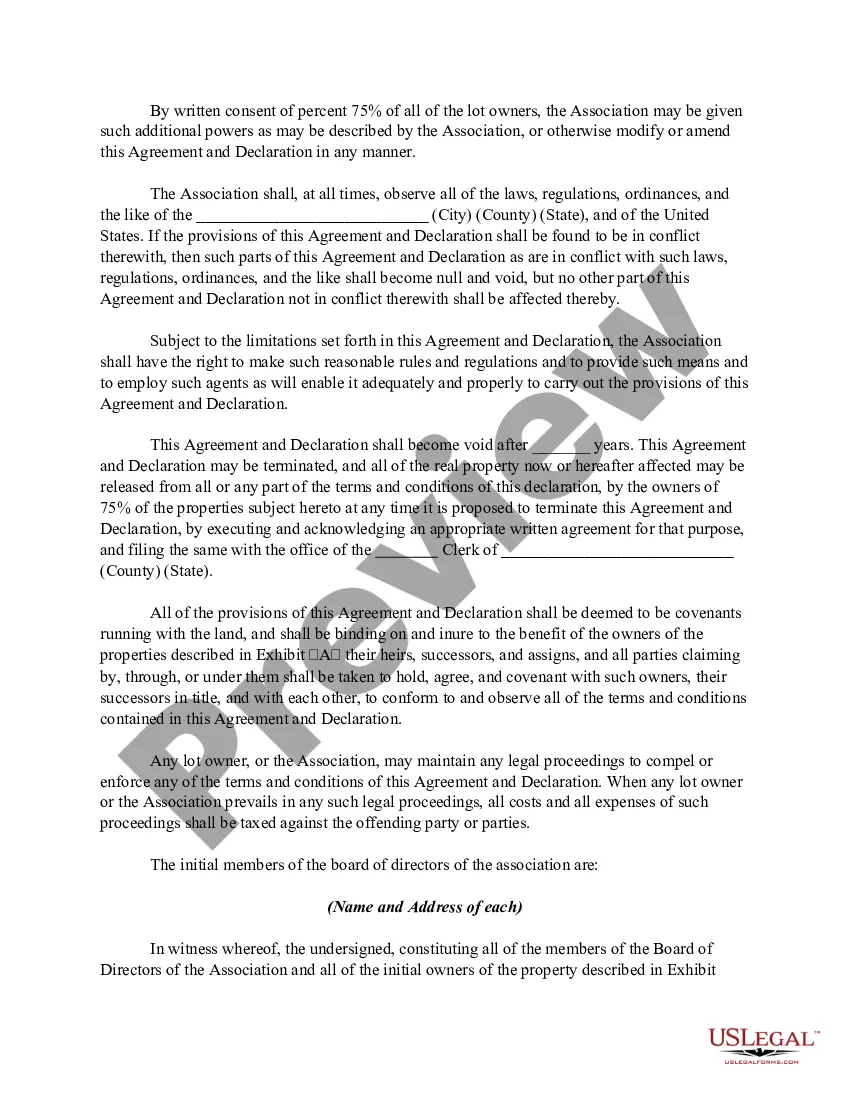
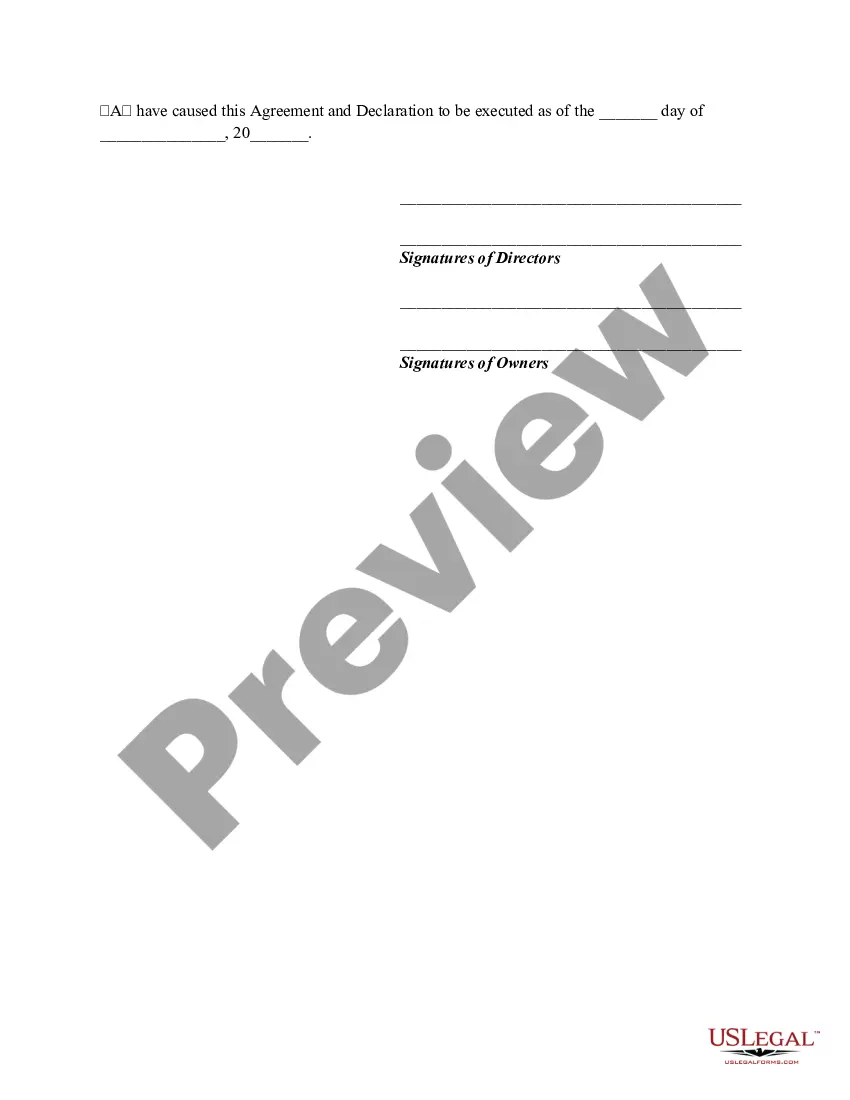
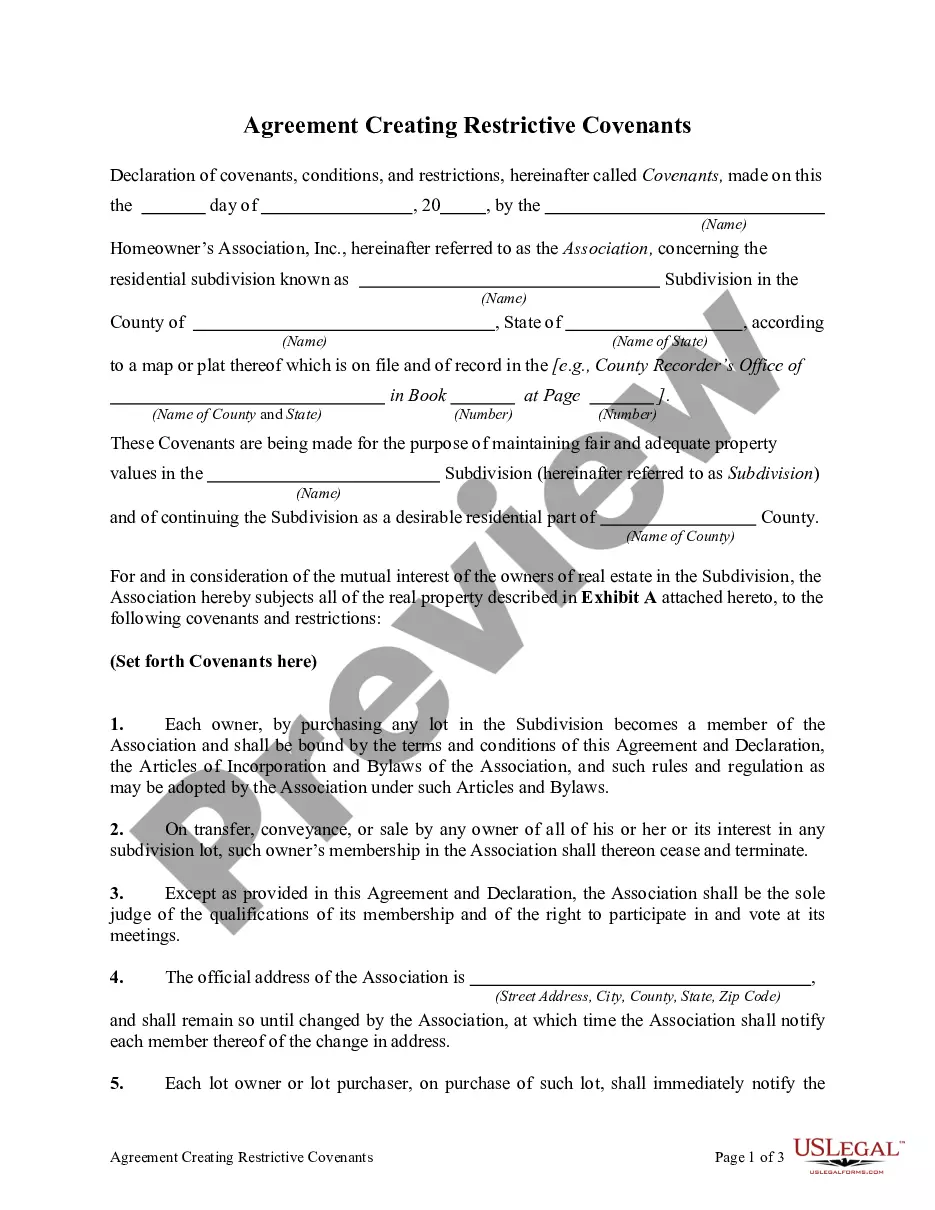
Get your form ready online
Our built-in tools help you complete, sign, share, and store your documents in one place.
Make edits, fill in missing information, and update formatting in US Legal Forms—just like you would in MS Word.
Download a copy, print it, send it by email, or mail it via USPS—whatever works best for your next step.
Sign and collect signatures with our SignNow integration. Send to multiple recipients, set reminders, and more. Go Premium to unlock E-Sign.
If this form requires notarization, complete it online through a secure video call—no need to meet a notary in person or wait for an appointment.
We protect your documents and personal data by following strict security and privacy standards.

Make edits, fill in missing information, and update formatting in US Legal Forms—just like you would in MS Word.

Download a copy, print it, send it by email, or mail it via USPS—whatever works best for your next step.

Sign and collect signatures with our SignNow integration. Send to multiple recipients, set reminders, and more. Go Premium to unlock E-Sign.

If this form requires notarization, complete it online through a secure video call—no need to meet a notary in person or wait for an appointment.

We protect your documents and personal data by following strict security and privacy standards.
Looking for another form?









Form popularity
FAQ
Federal judge tosses U.S. ban on noncompetes A federal judge in Texas has struck down the government's ban on noncompetes. An estimated 30 million U.S. workers are subject to the employment agreements.
While Texas courts generally disfavor non-compete agreements, they will enforce a non-compete covenant if it is executed for valid consideration, contains reasonable geographic, temporal, and activity restrictions, and protects the employer's legitimate business interests.
What happens if you break a non-compete in Texas? If a covenant not to compete is violated, a court may award the employer monetary damages and/or injunctive relief, but it will generally not be able to recover its attorney's fees.
Yes. Texas is a very pro-employer state, and employers can legally propose non-compete agreements to employees. However, that doesn't mean that there aren't any limitations—there are. Only four states have completely banned non-competes altogether: California, Oklahoma, Minnesota, and North Dakota.
Take a non-competitive job or role outside your current employer's specialty. Prove your employer breached the contract to invalidate the non-compete clause. Argue that the non-compete is overly restrictive or not enforceable. Negotiate or prove no legitimate business interests exist to uphold the agreement.
To be enforceable, non-compete agreements in Texas must be reasonable and specific with regards to geographic area, the scope of activities, and the duration (i.e. how long the restriction lasts). A typical duration for non-competes in Texas is somewhere between six months and two years.
Texas will enforce a non-compete agreement if it meets certain criteria: It must be included with another agreement (such as an employment offer), and be in exchange for “consideration” (i.e. something in return, such as specialized training or confidential information).
Restrictive covenants are clauses in commercial contracts that limit what a party can do, to protect your business interests. The primary purpose of a restrictive covenant in a commercial contract is to restrict the other party from engaging in certain commercial activities.
