Restrictive Covenants In Land Law In San Diego
Description

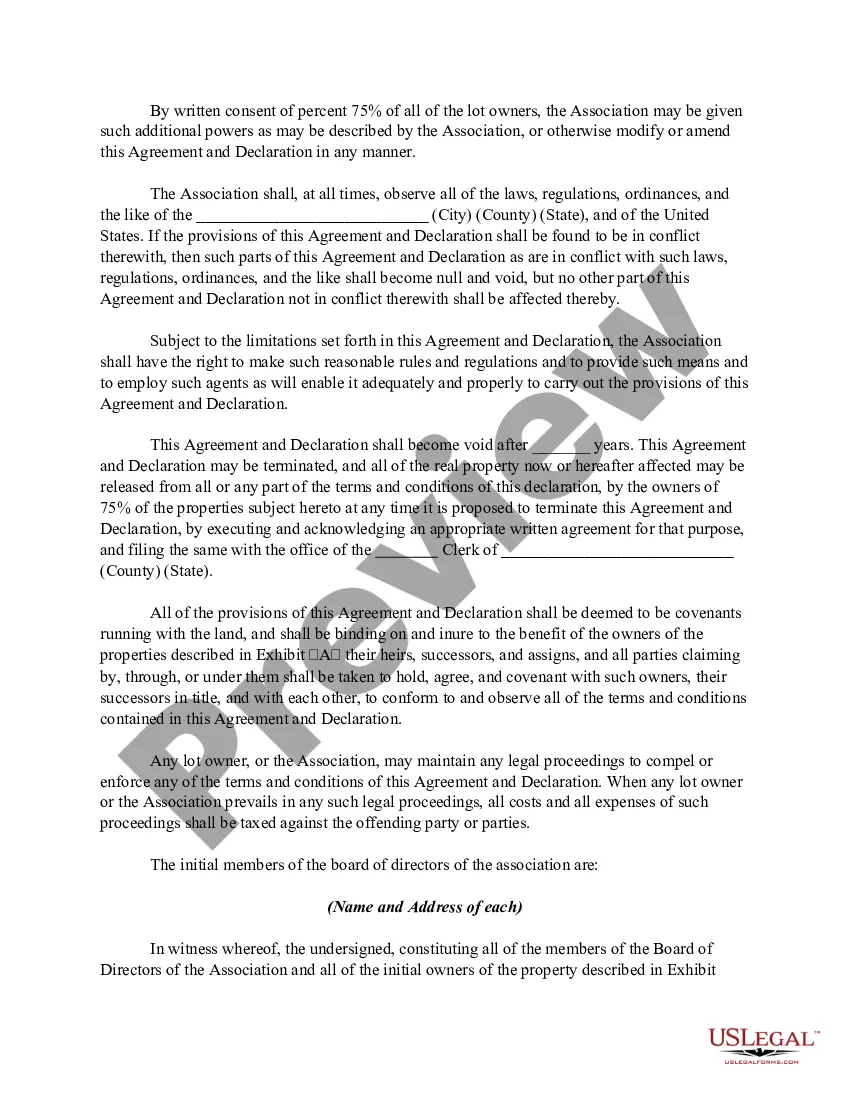
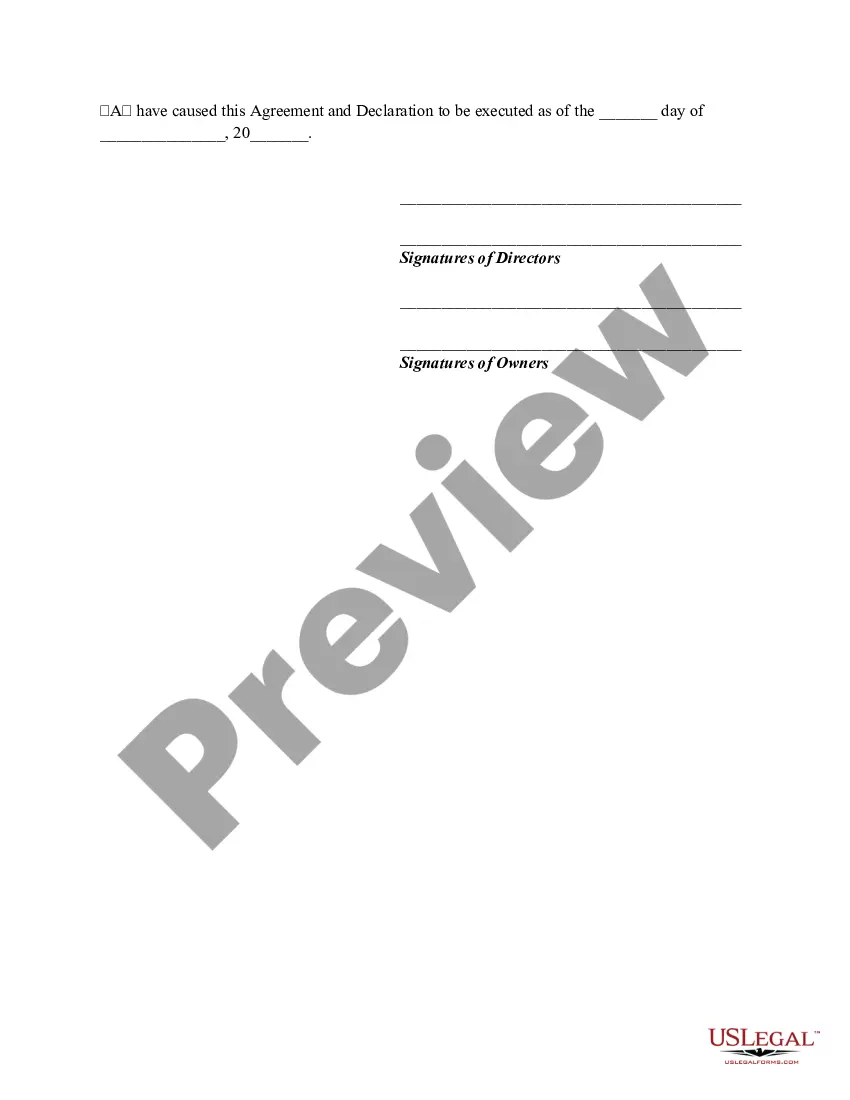
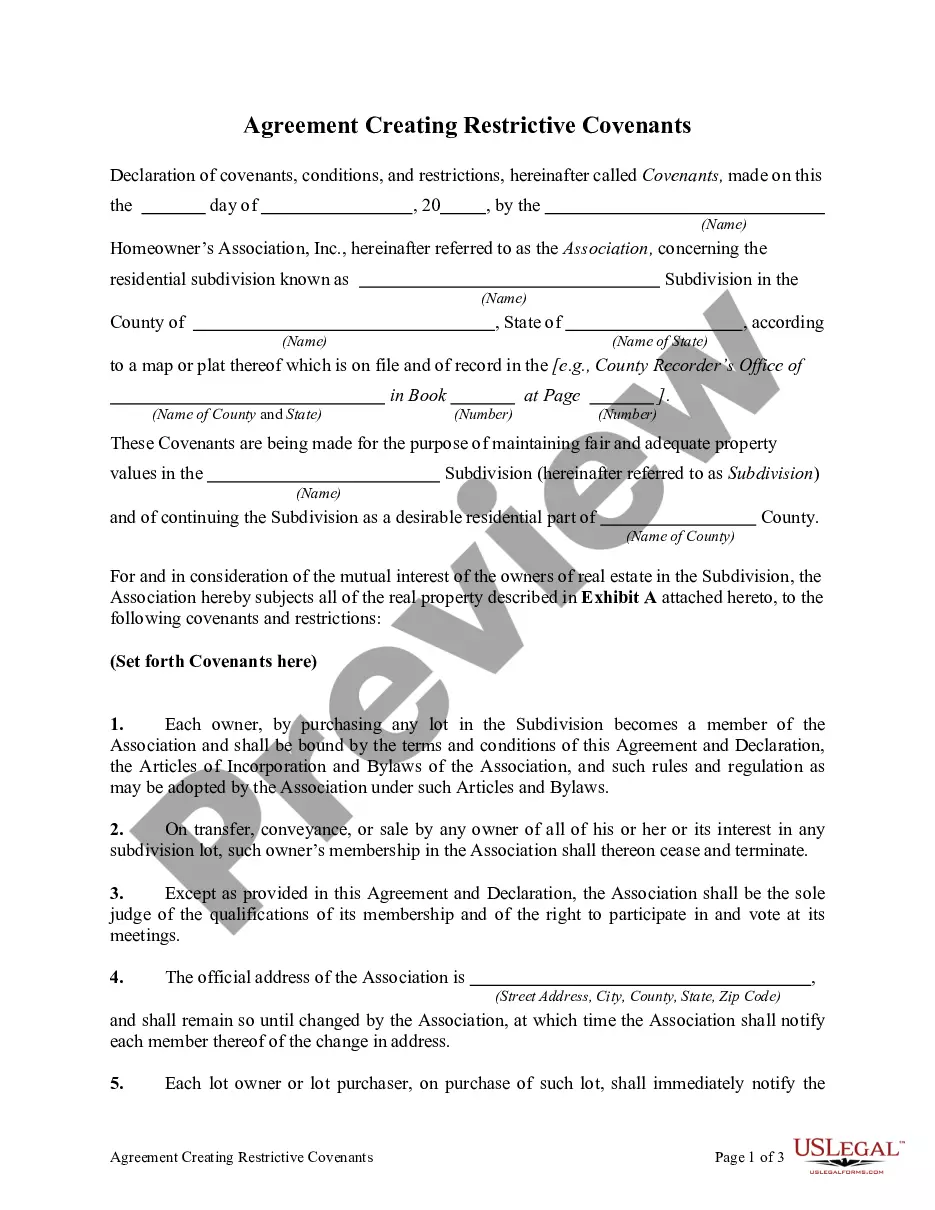
Get your form ready online
Our built-in tools help you complete, sign, share, and store your documents in one place.
Make edits, fill in missing information, and update formatting in US Legal Forms—just like you would in MS Word.
Download a copy, print it, send it by email, or mail it via USPS—whatever works best for your next step.
Sign and collect signatures with our SignNow integration. Send to multiple recipients, set reminders, and more. Go Premium to unlock E-Sign.
If this form requires notarization, complete it online through a secure video call—no need to meet a notary in person or wait for an appointment.
We protect your documents and personal data by following strict security and privacy standards.

Make edits, fill in missing information, and update formatting in US Legal Forms—just like you would in MS Word.

Download a copy, print it, send it by email, or mail it via USPS—whatever works best for your next step.

Sign and collect signatures with our SignNow integration. Send to multiple recipients, set reminders, and more. Go Premium to unlock E-Sign.

If this form requires notarization, complete it online through a secure video call—no need to meet a notary in person or wait for an appointment.

We protect your documents and personal data by following strict security and privacy standards.
Looking for another form?



Form popularity
FAQ
Buried in the deeds of homes and subdivisions across San Diego County are racially restrictive covenants written in the early 20th Century that were meant to bar Black, Asian, Latino and Jewish people from homeownership. The Supreme Court outlawed these covenants in 1948.
Here's How You Can File a San Diego Quitclaim Deed Once you have the quitclaim deed, please take it to the county recorder's office. Then, get the forms from the county where the property lies and fill out the Preliminary Change of Ownership Report, Documentary of Transfer Tax, and Notice of Exempt Transaction.
In the United States, employers generally use four types of restrictive covenants: (1) covenants not to compete for a certain period of time following the employee's termination from employment (or following a business transaction such as a sale, merger, etc.); (2) covenants not to solicit customers or clients for a ...
Current and Future Agreements Agreements containing impermissible covenants are “unenforceable regardless of where or when the contract was signed” (BPC § 16600.5(a)), and regardless of whether “the employment was maintained outside of California” (BPC § 16600.5(b)).
Some of the most common restrictive covenants include: Alterations and extensions to the building. Changes to the use of a property, for example, converting a building into flats or turning a house into business premises. Rent and lease restrictions. Limitations on pets. Limitations on home colour.
Employers often include in employment contracts what are referred to as “restrictive covenants.” This term is generally used to describe two main types of contractual clause: the non-solicitation clause and the non-compete clause.
What is a Covenant? Racial covenants are clauses that were inserted into property deeds to prevent people who are not White from buying or occupying land.
Restrictive covenants are most common when your property is part of a homeowners association, inium association, or planned community. Typical limits include restrictions on how many people can occupy the home and the colors you are allowed to paint the exterior.
A Deed of Release: This is a legal document, signed by all parties, that formally removes restrictive covenants from a property. Typically, all beneficiaries are party to this deed, as it releases them from their benefits over the property.
