Covenants Form For Hoa In Philadelphia
Description

Get your form ready online
Our built-in tools help you complete, sign, share, and store your documents in one place.
Make edits, fill in missing information, and update formatting in US Legal Forms—just like you would in MS Word.
Download a copy, print it, send it by email, or mail it via USPS—whatever works best for your next step.
Sign and collect signatures with our SignNow integration. Send to multiple recipients, set reminders, and more. Go Premium to unlock E-Sign.
If this form requires notarization, complete it online through a secure video call—no need to meet a notary in person or wait for an appointment.
We protect your documents and personal data by following strict security and privacy standards.

Make edits, fill in missing information, and update formatting in US Legal Forms—just like you would in MS Word.

Download a copy, print it, send it by email, or mail it via USPS—whatever works best for your next step.

Sign and collect signatures with our SignNow integration. Send to multiple recipients, set reminders, and more. Go Premium to unlock E-Sign.

If this form requires notarization, complete it online through a secure video call—no need to meet a notary in person or wait for an appointment.

We protect your documents and personal data by following strict security and privacy standards.
Looking for another form?










Form popularity
FAQ
What are unenforceable HOA rules? Keep you out of court. Hush up litigation. Discriminate indiscriminately. Enter your home without cause or notice. String you out on the (clothes)line. Fine you for fun. Change rules on the fly. Demand you take down your dish.
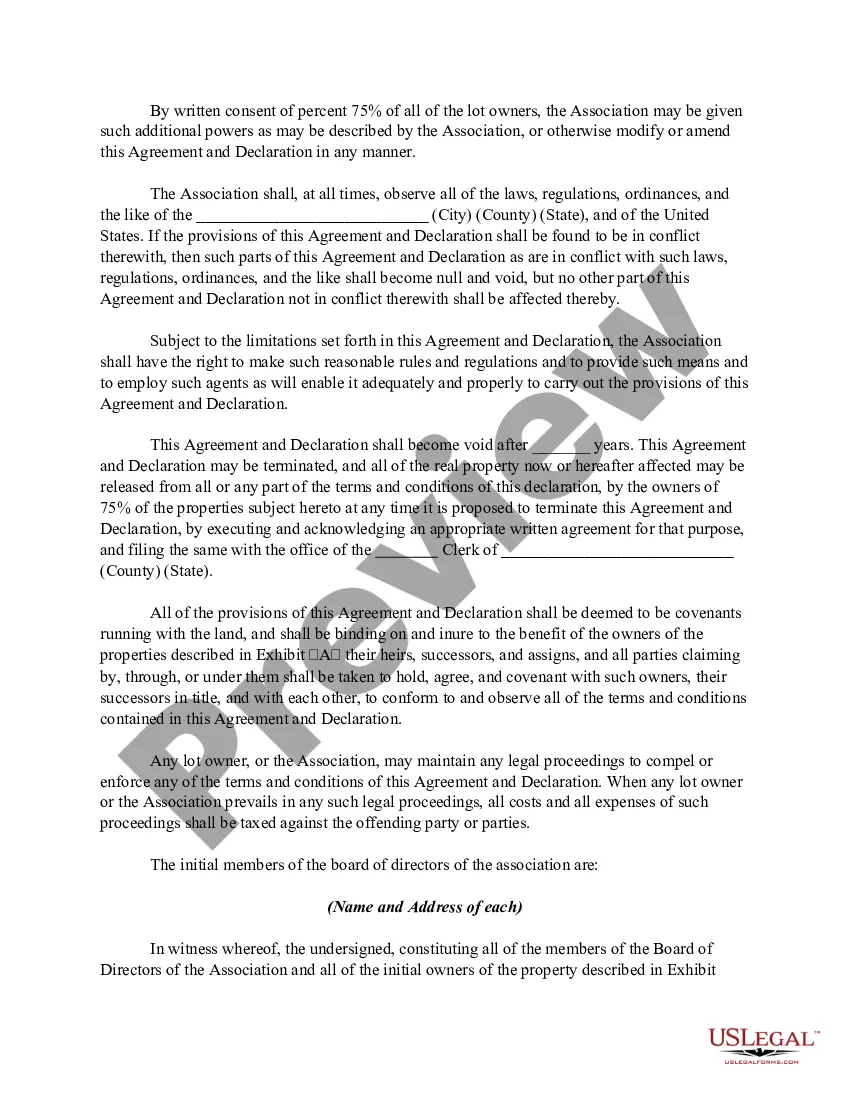
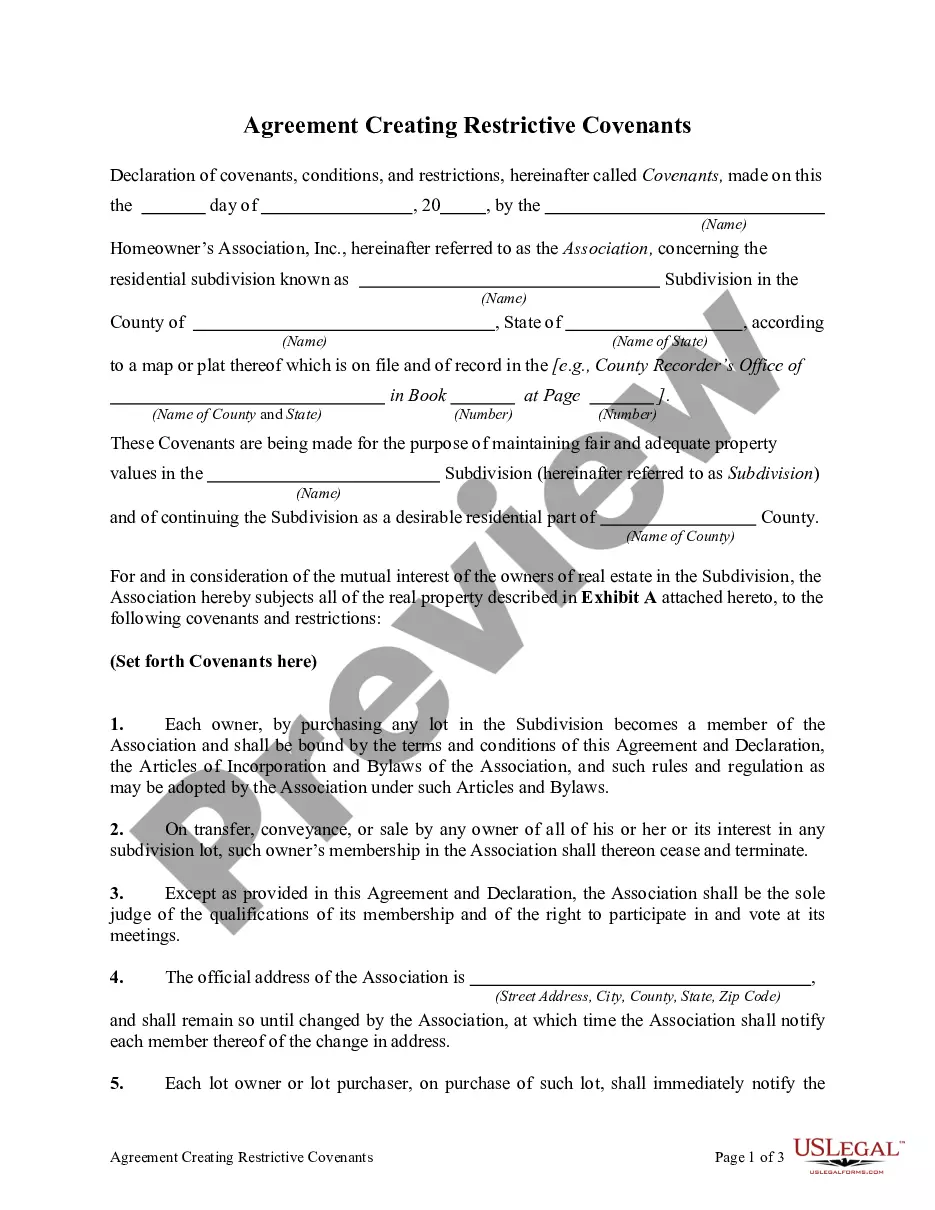
An HOA's governing documents are usually in the form of a Declaration of Covenants, Conditions, and Restrictions (CC&Rs) and bylaws. The CC&Rs explain the rules of the HOA community, while the bylaws cover how the HOA operates.
Here's the deal: even without an HOA, those deed restrictions still exist, and someone has to enforce them. But who? The short answer: it could be you or your neighbors. Yep, in many states, homeowners themselves can become the enforcers.
In general, homeowners can request HOA documents that cover the following: Governing documents, including the CC&Rs, bylaws, articles of incorporation, community plat, and operating rules; All board and membership meeting minutes and notices; Membership lists; All insurance policies of the association;
In many states, covenants only last 30 years, becoming unenforceable after they expire. However, North Carolina isn't one of these states.
These covenants were agreements added to property deeds that typically prohibited the sale or lease of the property to non-White persons. In Philadelphia, such covenants were put into place to restrict the movement of Black residents into new developments and predominantly White neighborhoods.
The local law supersedes the rules and regulations of the HOA, meaning that HOAs must ensure they are operating under the law.
How Many HOAs Are There in the U.S.? ing to FCAR, there were 365,000 communities with HOAs in 2023. These communities served 75.5 million residents—30% of the U.S. population—living in 28.2 million housing units. FCAR estimates that there are 367,000–370,000 HOAs operating in 2024.
Location: Fees are generally higher in urban areas like Philadelphia compared to suburban regions such as the Main Line. Age and Condition of the Building: Older buildings may require more maintenance, leading to higher fees.
In general, homeowners can request HOA documents that cover the following: Governing documents, including the CC&Rs, bylaws, articles of incorporation, community plat, and operating rules; All board and membership meeting minutes and notices; Membership lists; All insurance policies of the association;