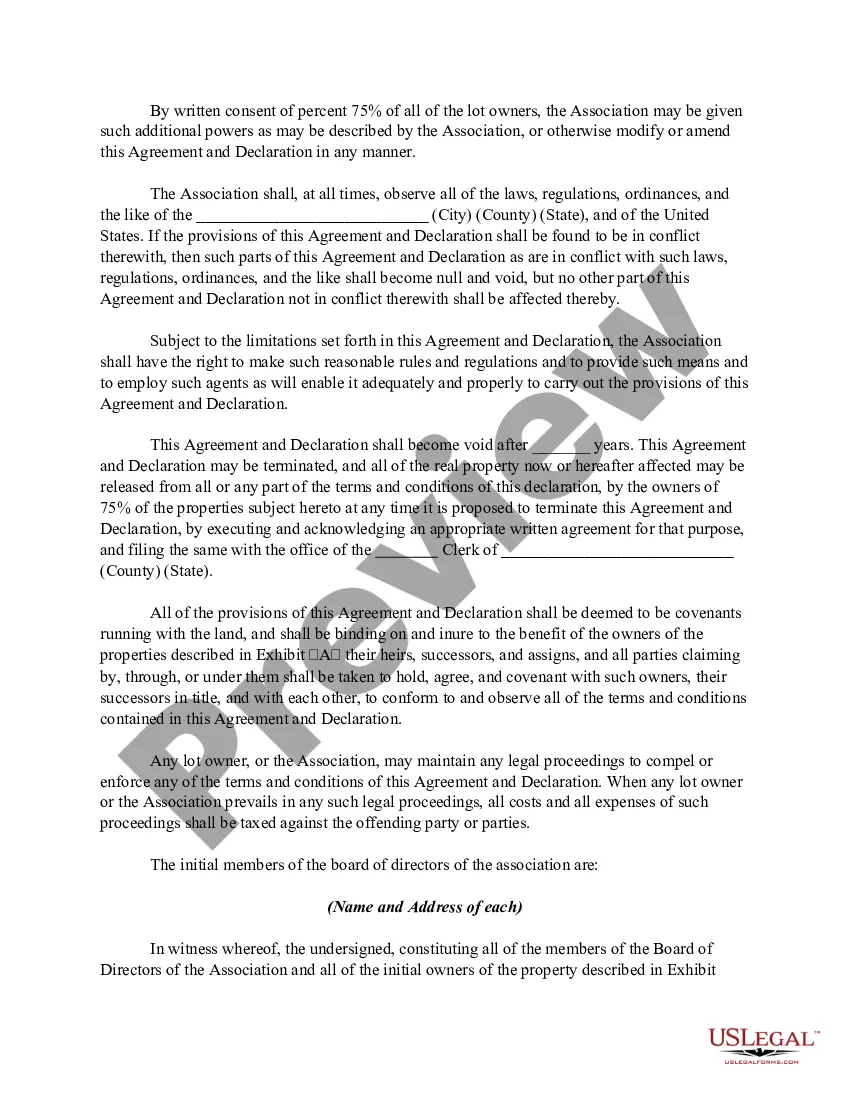
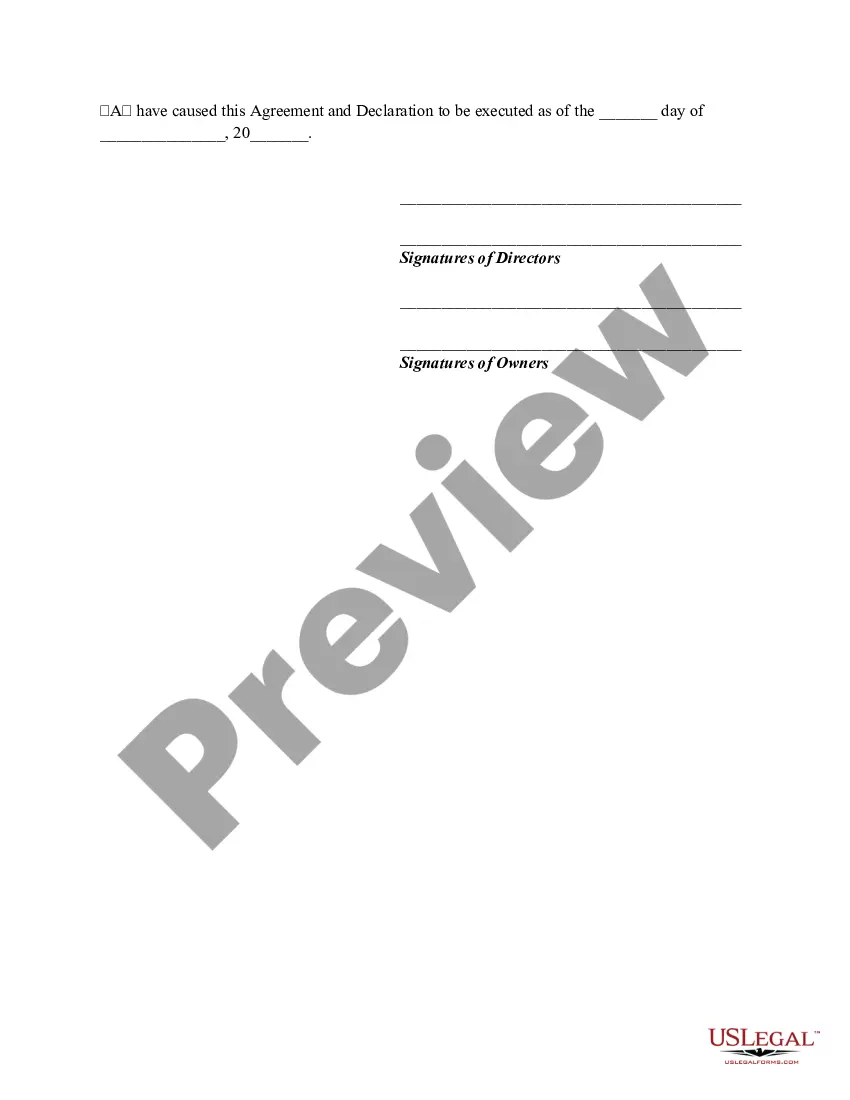
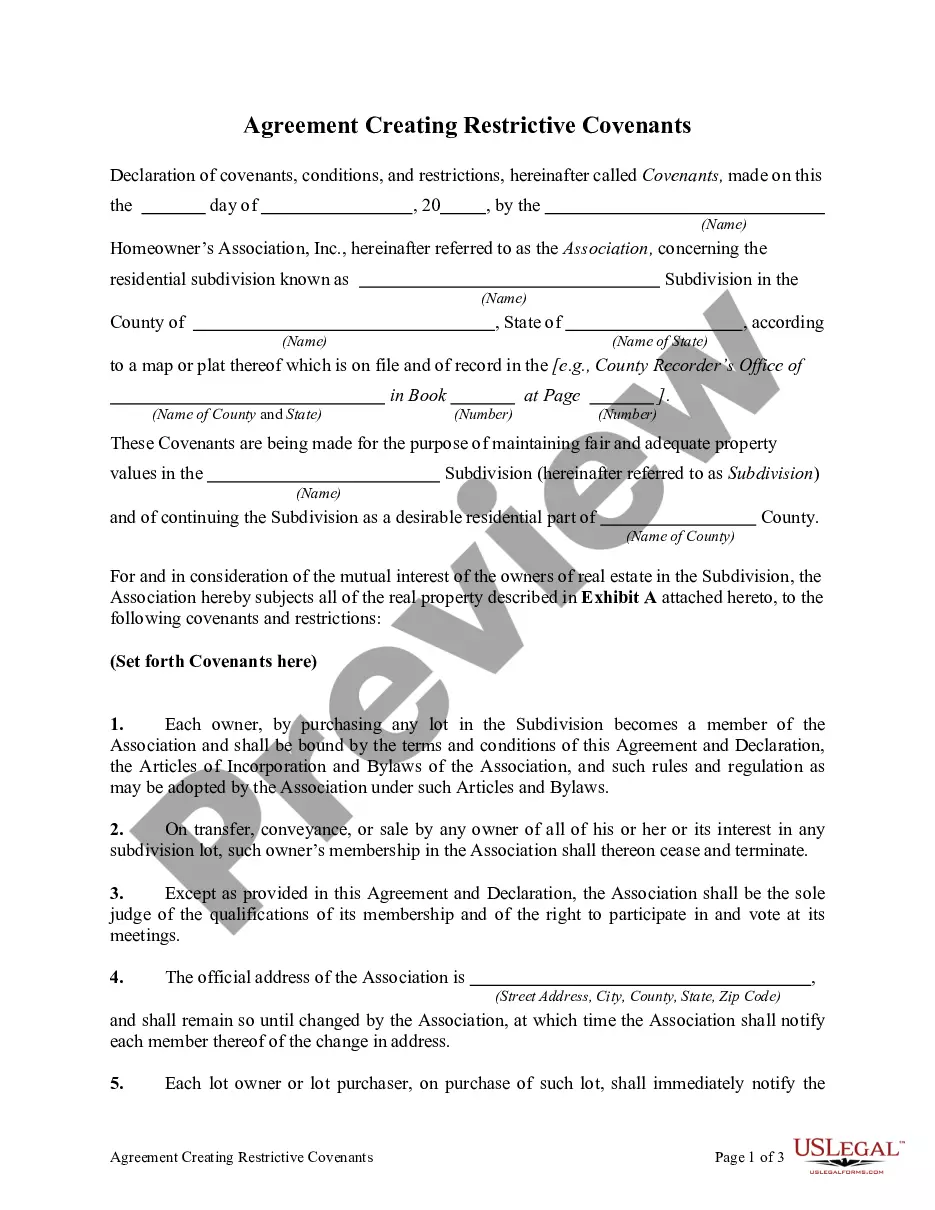
Covenant Agreement In Business In Pennsylvania
Description

Get your form ready online
Our built-in tools help you complete, sign, share, and store your documents in one place.
Make edits, fill in missing information, and update formatting in US Legal Forms—just like you would in MS Word.
Download a copy, print it, send it by email, or mail it via USPS—whatever works best for your next step.
Sign and collect signatures with our SignNow integration. Send to multiple recipients, set reminders, and more. Go Premium to unlock E-Sign.
If this form requires notarization, complete it online through a secure video call—no need to meet a notary in person or wait for an appointment.
We protect your documents and personal data by following strict security and privacy standards.

Make edits, fill in missing information, and update formatting in US Legal Forms—just like you would in MS Word.

Download a copy, print it, send it by email, or mail it via USPS—whatever works best for your next step.

Sign and collect signatures with our SignNow integration. Send to multiple recipients, set reminders, and more. Go Premium to unlock E-Sign.

If this form requires notarization, complete it online through a secure video call—no need to meet a notary in person or wait for an appointment.

We protect your documents and personal data by following strict security and privacy standards.
Looking for another form?
Form popularity
FAQ
Restrictive covenants are clauses in commercial contracts that limit what a party can do, to protect your business interests. The primary purpose of a restrictive covenant in a commercial contract is to restrict the other party from engaging in certain commercial activities.
An employment covenants agreement is a legal contract that ensures a business can maintain the best employees by limiting their ability to work for competitors. These agreements typically include non-compete clauses, confidentiality provisions, and trade secret protections.
Therefore, enforceable non-compete agreements in Florida do exist, but they must meet specific criteria: Reasonable Timeframe: Typically, one to two years is considered reasonable, but the exact duration depends on the ownership interest, industry, the specific business, and other factors.
Texas will enforce a non-compete agreement if it meets certain criteria: It must be included with another agreement (such as an employment offer), and be in exchange for “consideration” (i.e. something in return, such as specialized training or confidential information).
Some potential ways to get out of a non-compete agreement in Texas include the following: Negotiate with the employer to modify the terms of the agreement. Challenge the enforceability of the agreement in court. Wait for the agreement to expire. Seek a waiver or exemption from the agreement.
The courts will restrain an ex-employee from violating a restrictive covenant only when the circumstances make it reasonable to enforce. However, a Pennsylvania court will look only at the terms when the ex-employer sues for damages, not an injunction.
Employers do not need to notarize non-compete agreements. The dated signatures of a company representative, such as a manager or HR representative, and the employee are typically sufficient.
Pennsylvania courts have generally found non-compete agreements to be enforceable if the agreement is incident to an employment relationship between the employer and employee; the restriction imposed is reasonably necessary for the protection of the employer's business interest; and the restrictions imposed are ...
A covenant is a formal agreement or promise , usually included in a contract or deed , to do or not do a particular act.