Restrictive Covenants In Commercial Contracts In New York
Description

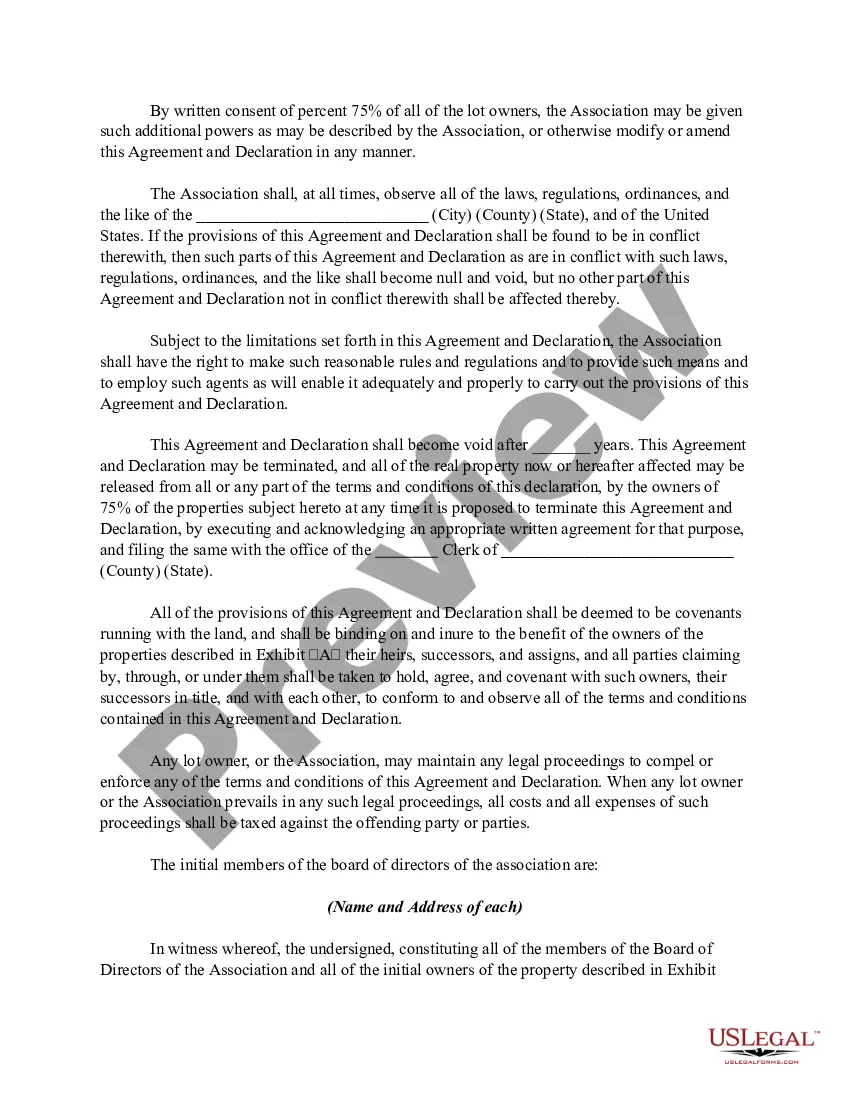

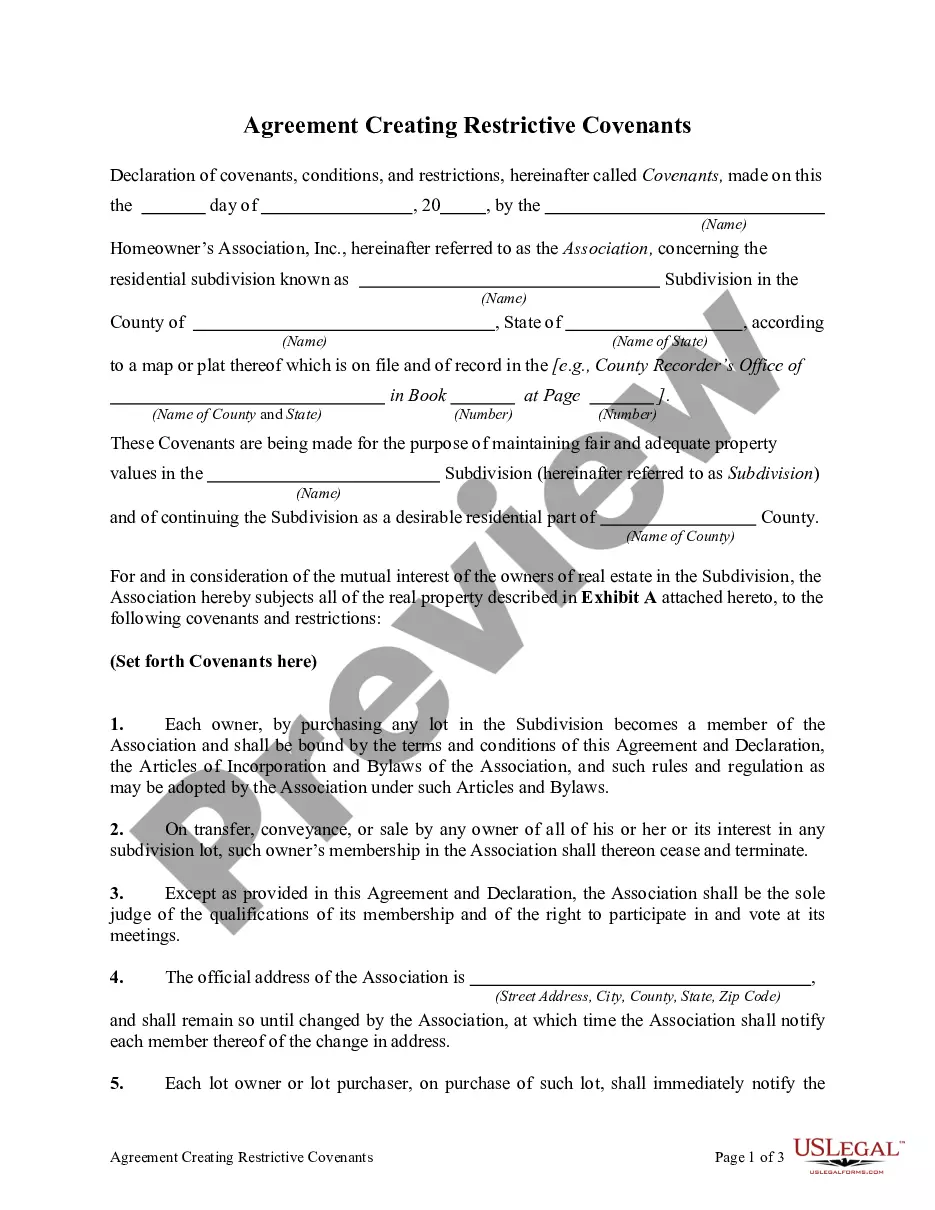
Get your form ready online
Our built-in tools help you complete, sign, share, and store your documents in one place.
Make edits, fill in missing information, and update formatting in US Legal Forms—just like you would in MS Word.
Download a copy, print it, send it by email, or mail it via USPS—whatever works best for your next step.
Sign and collect signatures with our SignNow integration. Send to multiple recipients, set reminders, and more. Go Premium to unlock E-Sign.
If this form requires notarization, complete it online through a secure video call—no need to meet a notary in person or wait for an appointment.
We protect your documents and personal data by following strict security and privacy standards.

Make edits, fill in missing information, and update formatting in US Legal Forms—just like you would in MS Word.

Download a copy, print it, send it by email, or mail it via USPS—whatever works best for your next step.

Sign and collect signatures with our SignNow integration. Send to multiple recipients, set reminders, and more. Go Premium to unlock E-Sign.

If this form requires notarization, complete it online through a secure video call—no need to meet a notary in person or wait for an appointment.

We protect your documents and personal data by following strict security and privacy standards.
Looking for another form?









Form popularity
FAQ
A restrictive covenant, enshrined in commercial agreements, is a legally binding clause that restricts a party's actions for a specified period post-termination of the agreement. Central to their enforceability is the principle of reasonableness.
Although New York disfavors restrictive covenants based on public policy, which respects the right of people to earn their own living, these provisions are enforced if: (1) there is a legitimate business interest in enforcement, and (2) the scope of the restriction is narrowly drawn.
Common restrictive covenants include: Non-disclosure provisions prohibiting a party from disclosing the other party's confidential information. Non-solicit provisions, prohibiting one or both parties from soliciting customers or employees of the other party for a specified period of time.
The three types of covenants are positive, negative, and financial. Each contains a unique set of requirements and stipulations. Positive and negative covenants are not interchangeable as good or bad but rather refer to what borrowers can or cannot do.
Covenant: Has a party promised to do something in the future? A covenant creates a duty to perform, also known as an obligation.
Restrictive Covenants in Real Estate Some of the restrictions that may be introduced include prohibiting owners from carrying out business activities on the residential property, running a home-based business, or installing a home office on the premises.
An example of a contractual covenant is a non-compete agreement . Examples of common covenants in property law include agreements not to build a fence or agreements to maintain a shared driveway.
Characteristic of restrictive covenants is the fact that they are binding not only on the immediate buyer but also future owners. Equally they are usually enforceable by the original seller and often by those who subsequently acquire the seller's retained land.
Restrictive covenants may contain 4 different types of promises: (1) a promise not to compete with one's former employer; (2) a promise not to solicit or accept business from customers of the former employer; (3) a promise not to recruit or hire away employees of the former employer; and (4) the promise not to use or ...
In the United States, employers generally use four types of restrictive covenants: (1) covenants not to compete for a certain period of time following the employee's termination from employment (or following a business transaction such as a sale, merger, etc.); (2) covenants not to solicit customers or clients for a ...
