Covenants Form With Covenants In Michigan
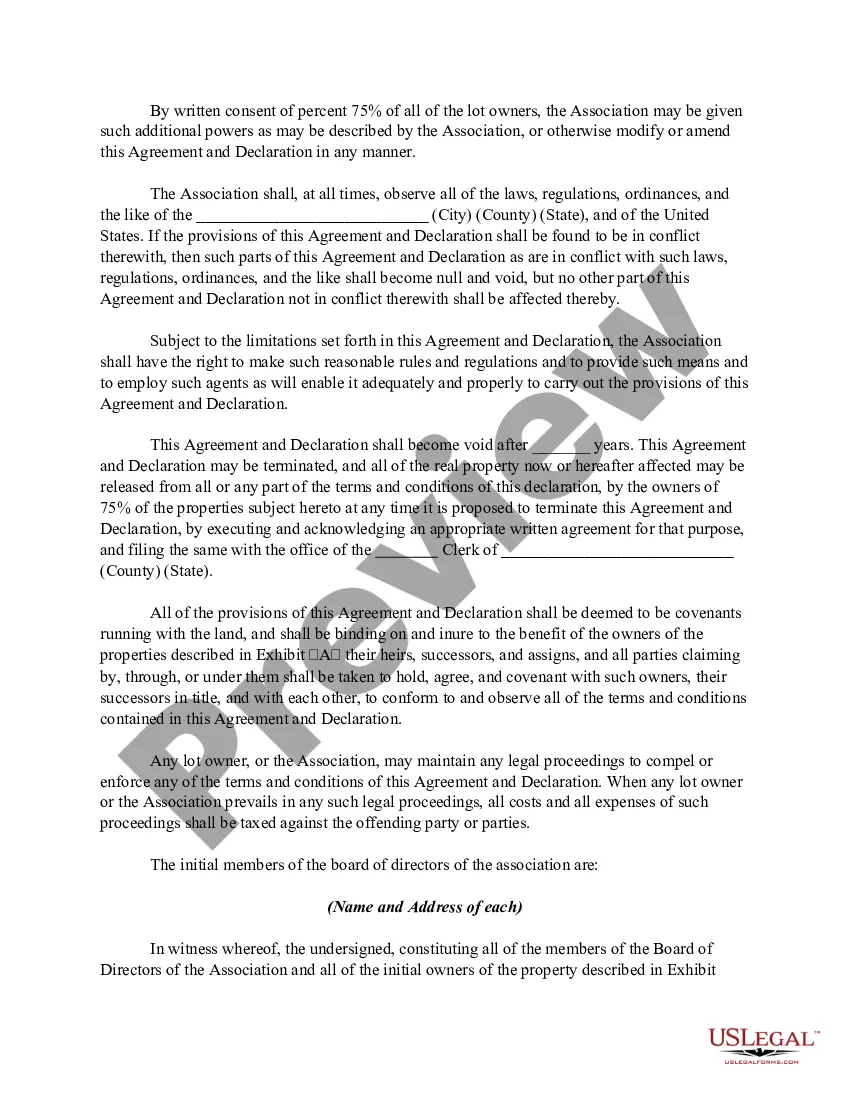
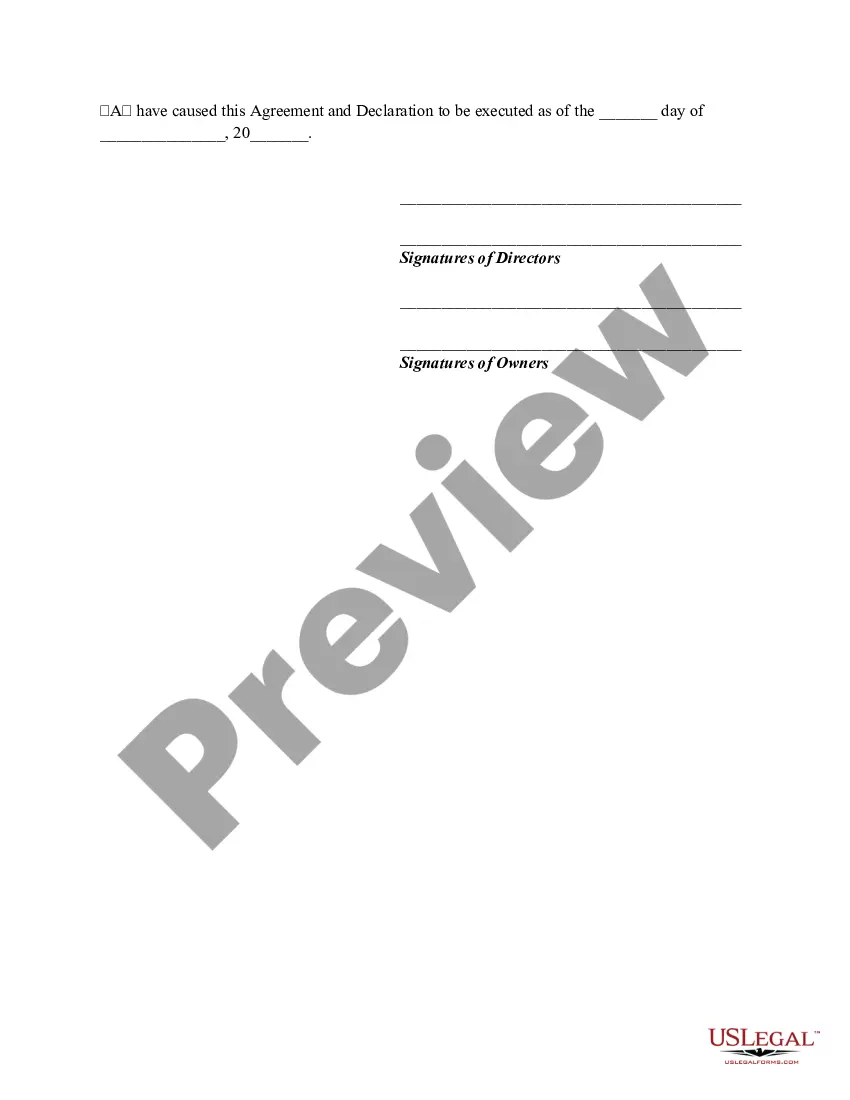
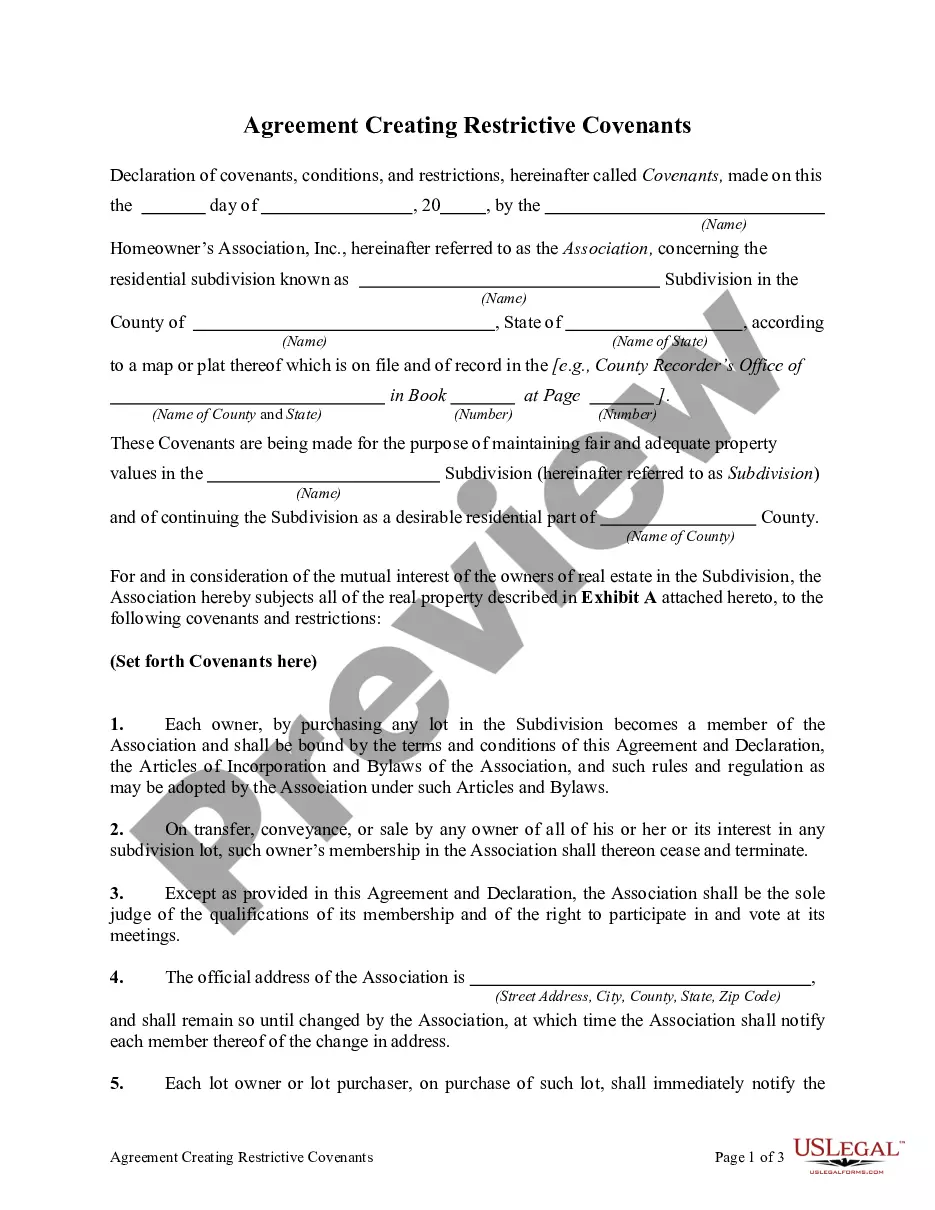
Description

Get your form ready online
Our built-in tools help you complete, sign, share, and store your documents in one place.
Make edits, fill in missing information, and update formatting in US Legal Forms—just like you would in MS Word.
Download a copy, print it, send it by email, or mail it via USPS—whatever works best for your next step.
Sign and collect signatures with our SignNow integration. Send to multiple recipients, set reminders, and more. Go Premium to unlock E-Sign.
If this form requires notarization, complete it online through a secure video call—no need to meet a notary in person or wait for an appointment.
We protect your documents and personal data by following strict security and privacy standards.

Make edits, fill in missing information, and update formatting in US Legal Forms—just like you would in MS Word.

Download a copy, print it, send it by email, or mail it via USPS—whatever works best for your next step.

Sign and collect signatures with our SignNow integration. Send to multiple recipients, set reminders, and more. Go Premium to unlock E-Sign.

If this form requires notarization, complete it online through a secure video call—no need to meet a notary in person or wait for an appointment.

We protect your documents and personal data by following strict security and privacy standards.
Looking for another form?









Form popularity
FAQ
With a warranty deed, the grantor is warranting title against all prior claims - even claims that arose prior to the grantor acquiring title to the property. With a covenant deed (or "deed C") the grantor's warranty is limited to claims arising from the actions of the grantor.
A covenant deed is a document used by a grantor to transfer a property to a grantee. However, unlike other types of Michigan deeds, a covenant deed provides limited protection to the grantee, entailing that grantors are liable for any problems in the property only within the period of their ownership.
A Michigan covenant deed transfers property title to another person with the warranty that the the seller is titleholder and has not encumbered the title during their ownership.
A Deed of Covenant is quite simply a form of legal agreement between two parties. it can take various forms, but in conveyancing, it is usually used to lay out legal responsibilities and obligations between a property freeholder and their leaseholder.
Some of the most common restrictive covenants include: Alterations and extensions to the building. Changes to the use of a property, for example, converting a building into flats or turning a house into business premises. Rent and lease restrictions. Limitations on pets. Limitations on home colour.
If a deed restriction is not enforceable, you can choose to ignore it and take on the risk of a neighbor filing suit, or you can seek out a judge's ruling to have the covenant removed from the deed. Obtaining that ruling is easier when no one is actively enforcing the covenant.
And in Michigan, such covenants will generally be enforceable, provided that they are reasonable. Restrictive covenants are typically analyzed under the Michigan Antitrust Reform Act (“MARA”).
The title to a house is a legal concept that establishes your ownership of the property and gives you certain rights to it. The deed is a legal document that transfers ownership of a property from a seller to a buyer.
If a deed restriction is not enforceable, you can choose to ignore it and take on the risk of a neighbor filing suit, or you can seek out a judge's ruling to have the covenant removed from the deed. Obtaining that ruling is easier when no one is actively enforcing the covenant.