Restrictive Covenants In Real Estate In Maricopa
Description

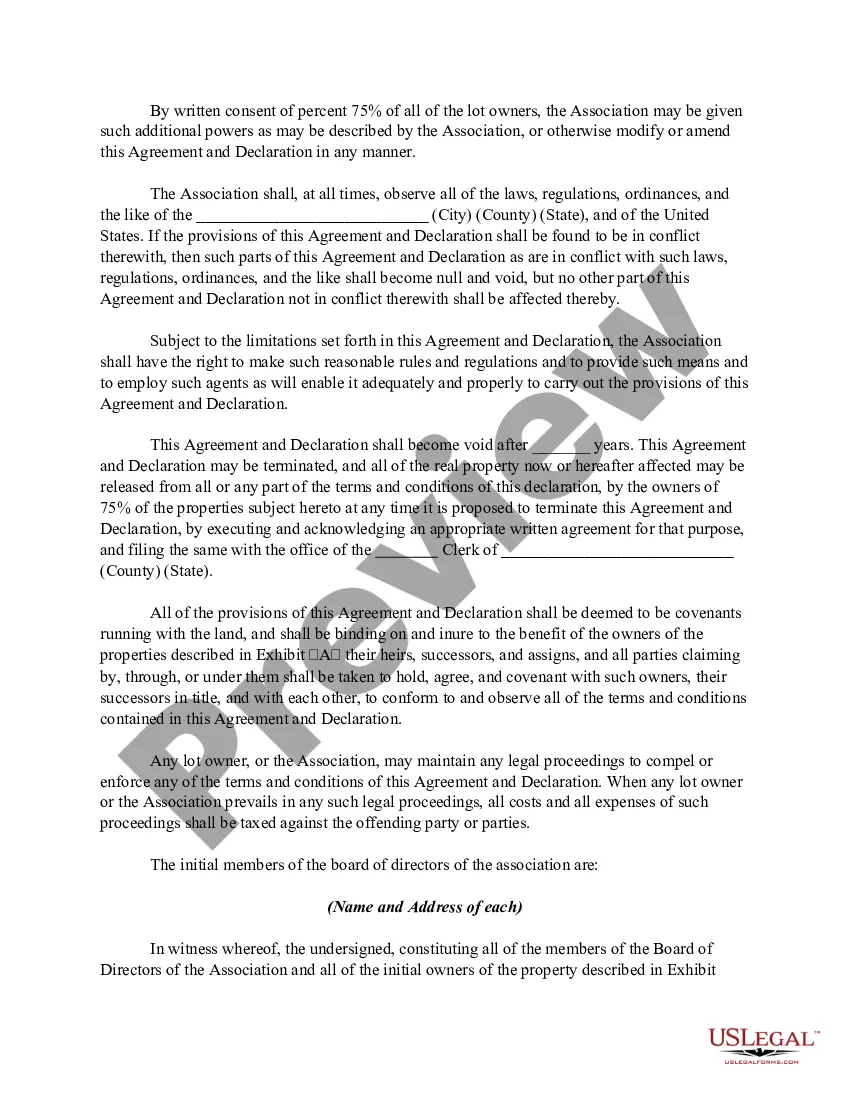
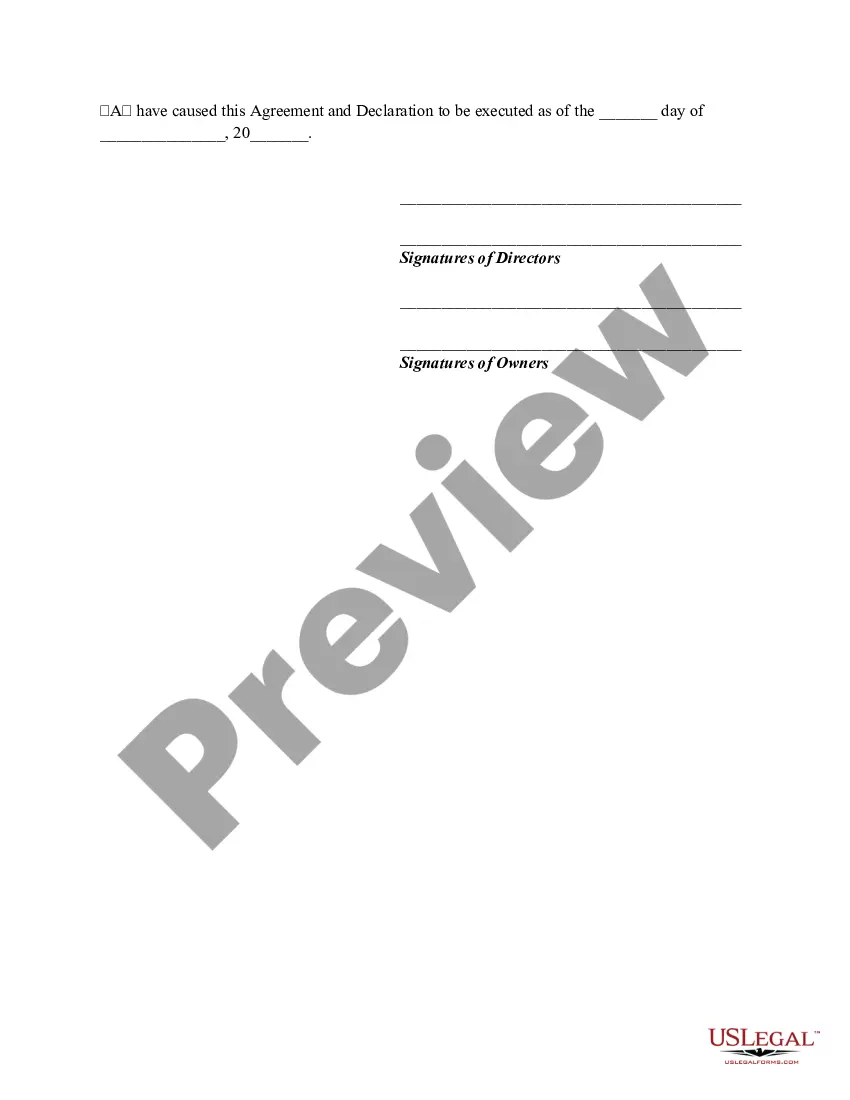
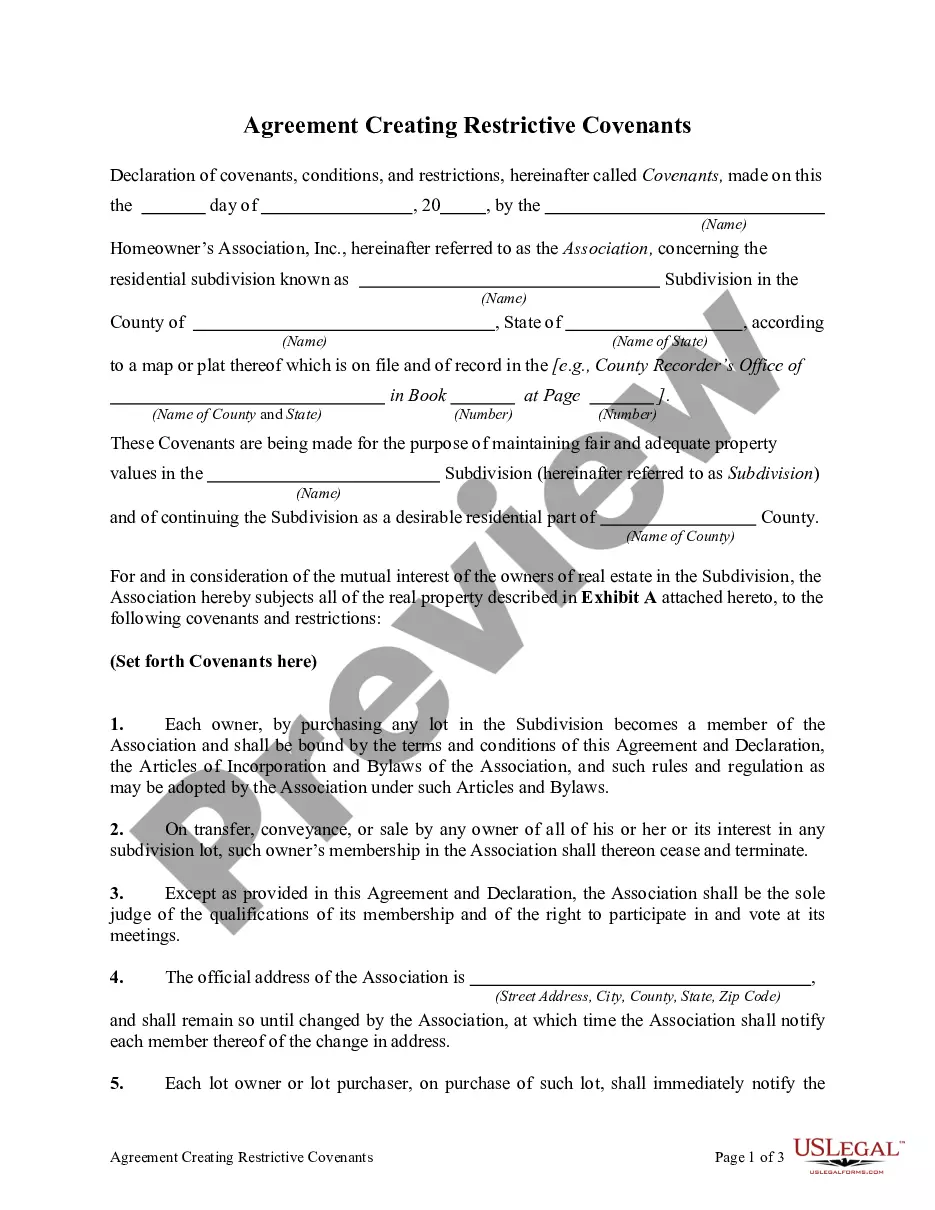
Get your form ready online
Our built-in tools help you complete, sign, share, and store your documents in one place.
Make edits, fill in missing information, and update formatting in US Legal Forms—just like you would in MS Word.
Download a copy, print it, send it by email, or mail it via USPS—whatever works best for your next step.
Sign and collect signatures with our SignNow integration. Send to multiple recipients, set reminders, and more. Go Premium to unlock E-Sign.
If this form requires notarization, complete it online through a secure video call—no need to meet a notary in person or wait for an appointment.
We protect your documents and personal data by following strict security and privacy standards.

Make edits, fill in missing information, and update formatting in US Legal Forms—just like you would in MS Word.

Download a copy, print it, send it by email, or mail it via USPS—whatever works best for your next step.

Sign and collect signatures with our SignNow integration. Send to multiple recipients, set reminders, and more. Go Premium to unlock E-Sign.

If this form requires notarization, complete it online through a secure video call—no need to meet a notary in person or wait for an appointment.

We protect your documents and personal data by following strict security and privacy standards.
Looking for another form?









Form popularity
FAQ
The easiest way to elude the requirements of a restrictive covenant is to simply ignore it. Covenants can become unenforceable if they expire, if there is a history of the covenant being violated, or if there is no individual or group benefiting from them.
411, 417 (Ct. App. 2013) (“A restriction on a former employee's right to compete against a former employer is enforceable, but only if the restriction is limited in time and in geography.”); Valley Med. Specialists, 194 Ariz.
In the minority of jurisdictions, like California, courts will likewise disregard the fact that something is labelled as a covenant not to solicit customers and/or clients, and may instead deem it akin to a covenant not to compete and treat it as such.
These agreements limit employees' ability to compete with the employer after the term of employment ends. However, Arizona law takes a balanced approach when it comes to enforceability of such agreements, recognizing both the employer's interest in protecting its business and the employee's right to earn a living.
Restrictive Covenants, Explained This restricts how homeowners can manage and modify their land. Examples include restrictions on fence options, the type of animals allowed and the use of outbuildings, such as sheds.
Restrictive conditions limit the owners' use of the property in some way – usually to protect the amenities and character of an area. Common restrictive conditions include: The property may not be subdivided. A set height limit for buildings on the property. For example, no structures of over two storeys are permitted.
Deed restrictions are rules and regulations that may be enforced by the homeowners association or local government agencies. Typically, they are imposed to unify the exterior looks, protect property values or manage living standards.
A restrictive covenant in real estate is a legal agreement that limits how you can use your home. Restrictive covenants are most common when your property is part of a homeowners association, inium association, or planned community.
To officially end the restrictive covenants, it may be necessary to file a lawsuit seeking a declaration from a court that the covenants are no longer enforceable. This can be a complex legal process that may require the assistance of an attorney.
