Arbitration Agreement With Bank In Orange
Description




Get your form ready online
Our built-in tools help you complete, sign, share, and store your documents in one place.
Make edits, fill in missing information, and update formatting in US Legal Forms—just like you would in MS Word.
Download a copy, print it, send it by email, or mail it via USPS—whatever works best for your next step.
Sign and collect signatures with our SignNow integration. Send to multiple recipients, set reminders, and more. Go Premium to unlock E-Sign.
If this form requires notarization, complete it online through a secure video call—no need to meet a notary in person or wait for an appointment.
We protect your documents and personal data by following strict security and privacy standards.

Make edits, fill in missing information, and update formatting in US Legal Forms—just like you would in MS Word.

Download a copy, print it, send it by email, or mail it via USPS—whatever works best for your next step.

Sign and collect signatures with our SignNow integration. Send to multiple recipients, set reminders, and more. Go Premium to unlock E-Sign.

If this form requires notarization, complete it online through a secure video call—no need to meet a notary in person or wait for an appointment.

We protect your documents and personal data by following strict security and privacy standards.
Looking for another form?







Form popularity
FAQ
Share BankCredit CardForced Arbitration Clause Citizens Bank Citizens Bank Card Yes Credit One Bank Platinum Visa Yes Discover Discover Card Yes First National Bank First National Credit Card Yes16 more rows •
Opting out of the arbitration agreement isn't damaging to you. You can always do arbitration if you would prefer that, although if you'd like to join class actions or sue the judge will throw out your case if you are still in this agreement.
Important note: These program terms are subject to the jury trial waiver and arbitration provision in your credit card account agreement that limit our liability to you, eliminate your right to a trial by jury, require you to resolve disputes with us on an individual basis and not as a part of any class or ...
Arbitration: This Agreement includes an Arbitration Provision with class action and jury trial waivers. You can reject the Arbitration Provision. If you do not, it will be part of this Agreement. Changes: The rates, fees and terms of this Agreement may change and we may add or delete any term.
Comenity Bank class action overview: A consumer hit Comenity Bank with a class action lawsuit alleging the financial institution improperly obtained her credit report following the discharge of her debts in a Chapter 7 bankruptcy and has done it to others, too.
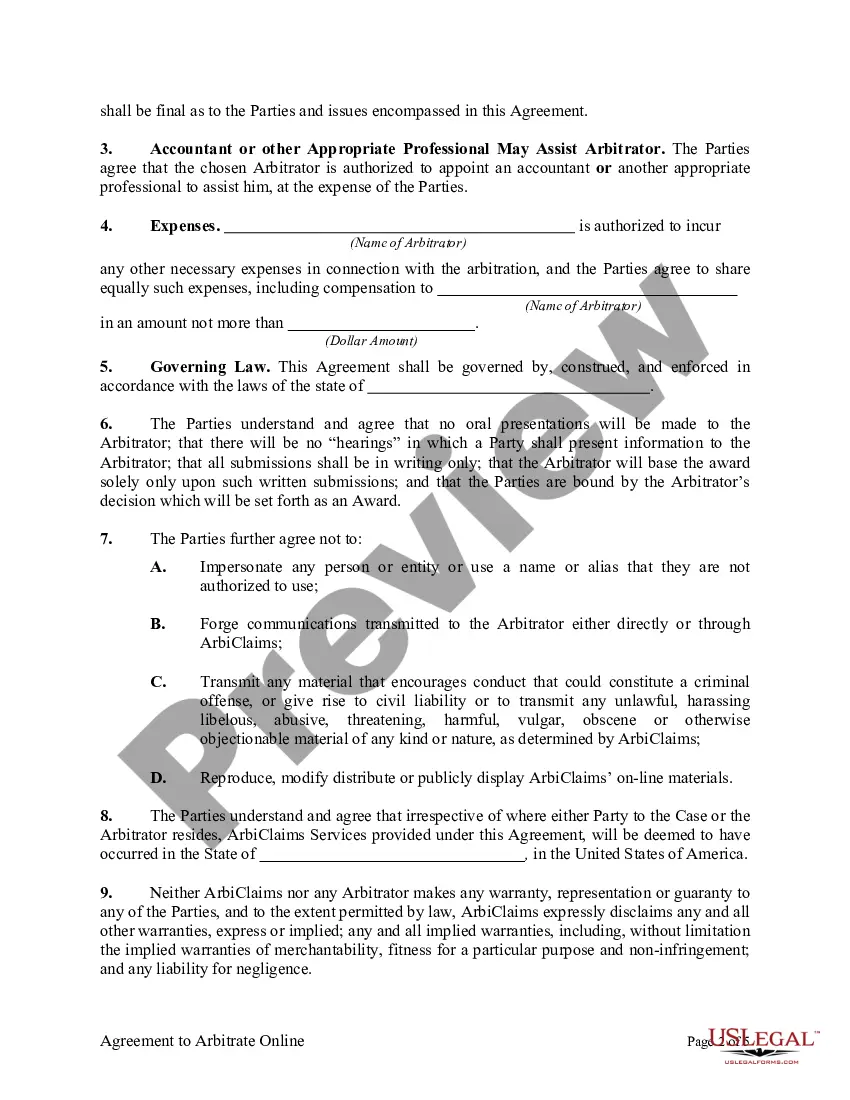
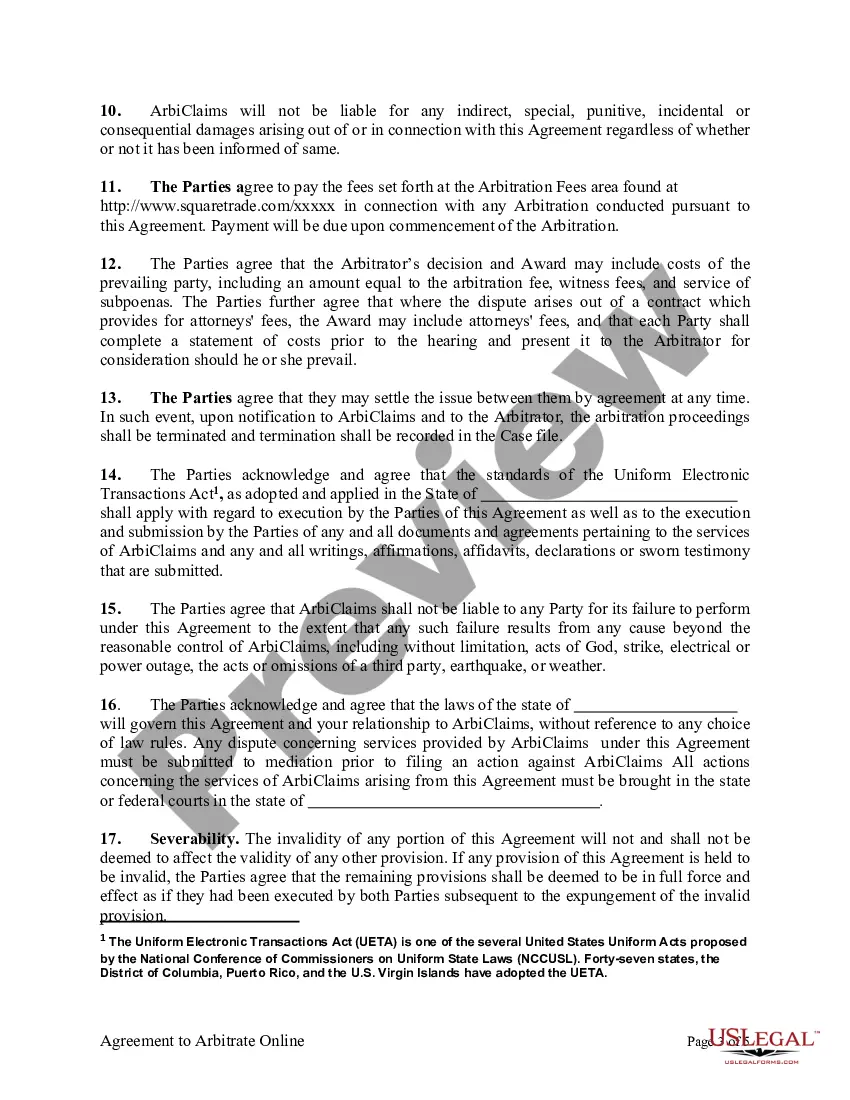
A claimant will typically start arbitration by sending a document known as a “request for arbitration” or a “notice to arbitrate” to its opponent.
If you carefully check your credit card agreement, you will likely find a mandatory binding arbitration clause buried in the fine print.
The arbitrator's final decision on the case is called the “award.” This is like a judge's or jury's decision in a court case. Once the arbitrator decides that all of the parties' evidence and arguments have been presented, the arbitrator will close the hearings. This means no more evidence or arguments will be allowed.
