Restrictive Covenants In Land Law In Georgia
Description

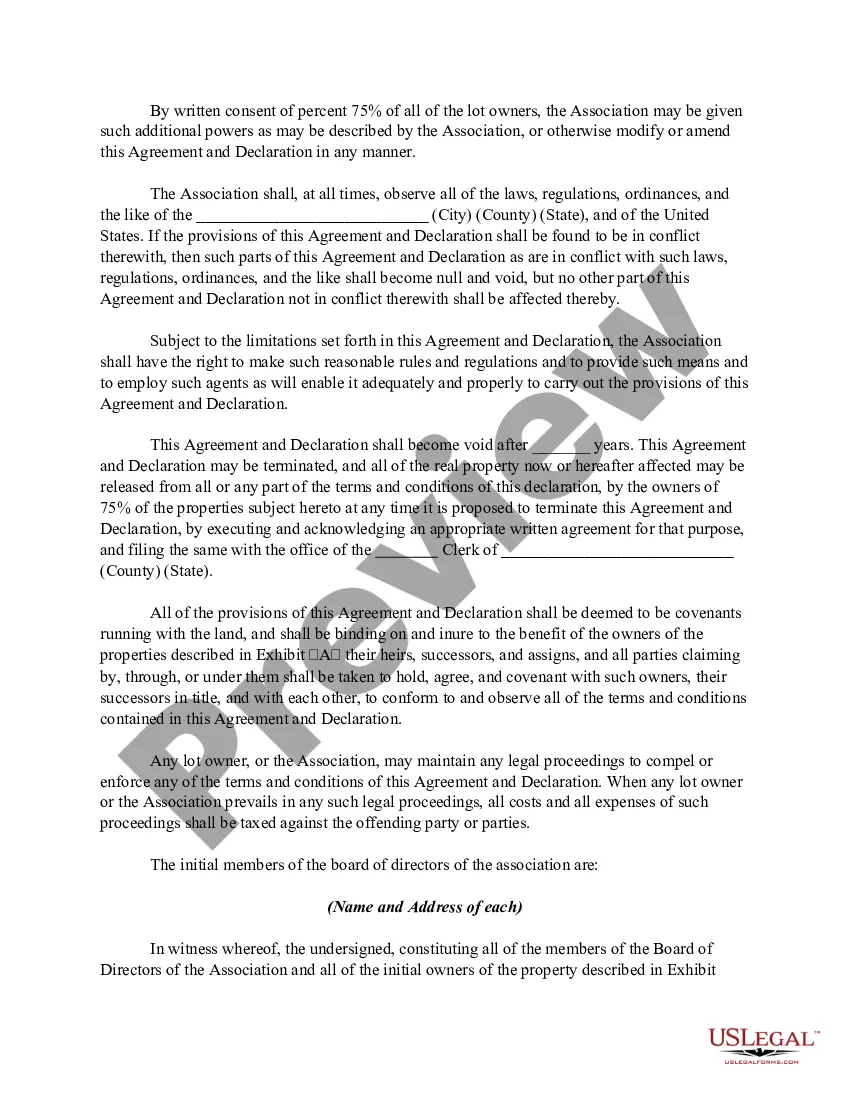
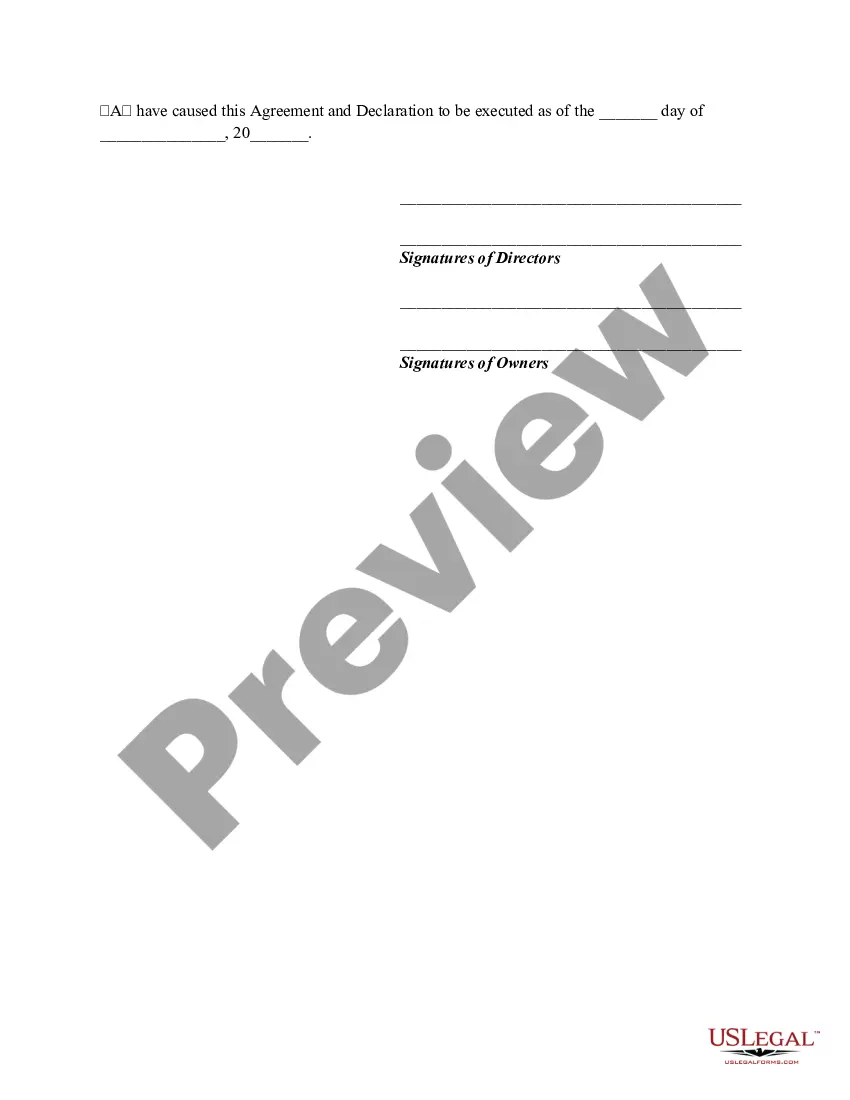
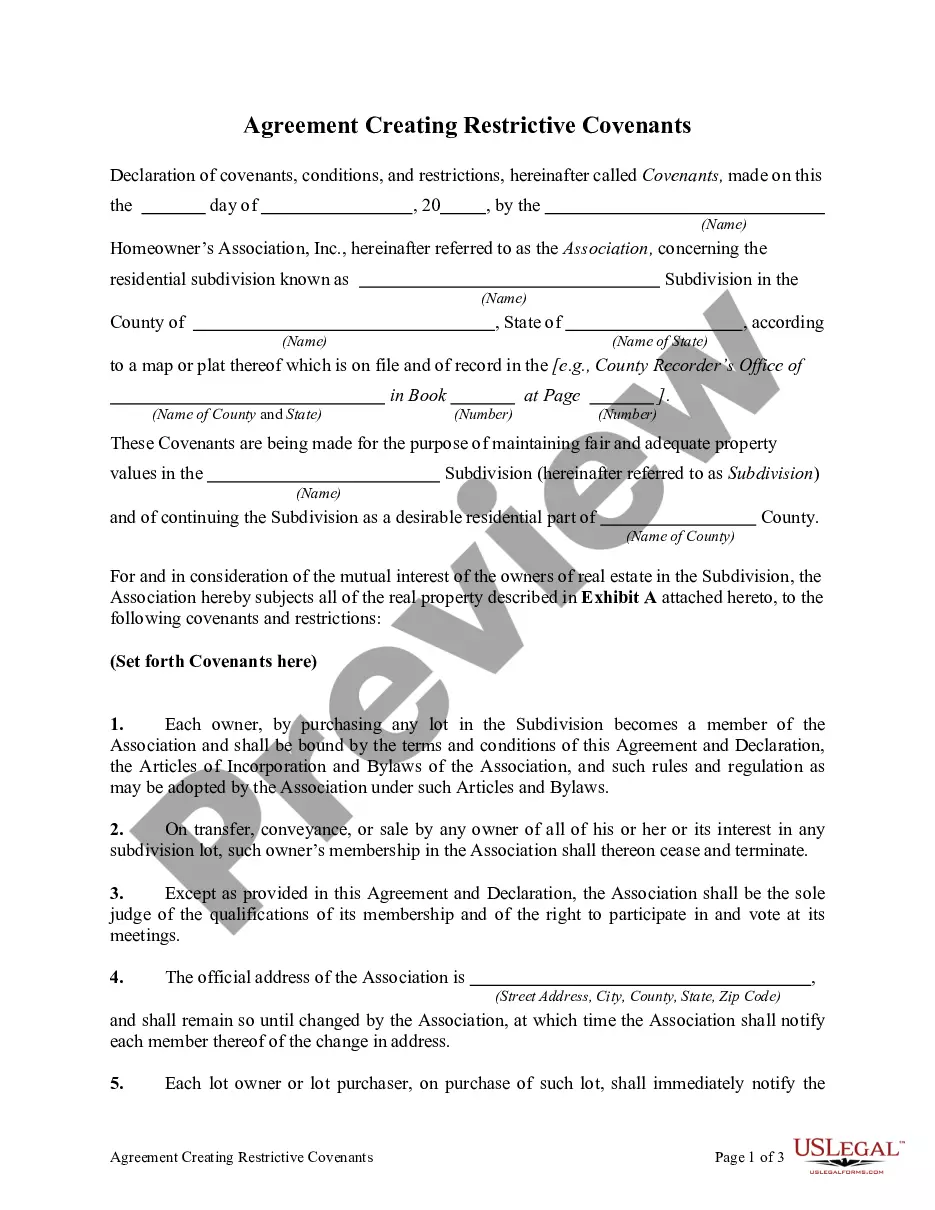
Get your form ready online
Our built-in tools help you complete, sign, share, and store your documents in one place.
Make edits, fill in missing information, and update formatting in US Legal Forms—just like you would in MS Word.
Download a copy, print it, send it by email, or mail it via USPS—whatever works best for your next step.
Sign and collect signatures with our SignNow integration. Send to multiple recipients, set reminders, and more. Go Premium to unlock E-Sign.
If this form requires notarization, complete it online through a secure video call—no need to meet a notary in person or wait for an appointment.
We protect your documents and personal data by following strict security and privacy standards.

Make edits, fill in missing information, and update formatting in US Legal Forms—just like you would in MS Word.

Download a copy, print it, send it by email, or mail it via USPS—whatever works best for your next step.

Sign and collect signatures with our SignNow integration. Send to multiple recipients, set reminders, and more. Go Premium to unlock E-Sign.

If this form requires notarization, complete it online through a secure video call—no need to meet a notary in person or wait for an appointment.

We protect your documents and personal data by following strict security and privacy standards.
Looking for another form?







Form popularity
FAQ
In the minority of jurisdictions, like California, courts will likewise disregard the fact that something is labelled as a covenant not to solicit customers and/or clients, and may instead deem it akin to a covenant not to compete and treat it as such.
Notwithstanding subsection (a) of this Code section, covenants restricting lands to certain uses shall not run for more than 20 years in municipalities which have adopted zoning laws nor in those areas in counties for which zoning laws have been adopted; provided, however, that whenever a zoning ordinance, upon its ...
In Georgia, the enforceability of restrictive covenants is governed by the GRCA, OCGA § 13-8-50 et seq. The GRCA provides that employment contracts that restrict competition must be “reasonable in time, geographic area, and scope of prohibited activities.” OCGA § 13-8-53(a).
No discovery shall be had unless ordered by the court for good cause. In addition, the superior court shall be authorized to issue a summary ruling on the conveyance of any intended common areas or other property in the common interest community to the association or other appropriate entity.
Q: Are non-compete agreements enforceable in Georgia even if signed after employment commences and/or without any additional consideration? A: Yes, continued employment is generally considered sufficient consideration for a non-compete in Georgia.
Following that general consensus throughout the country, Georgia law likewise generally provided at Code Section 44-5-60 that covenants restricting the use of land would be valid for a maximum of twenty years, and at the end of the twenty years, the restrictive covenants would automatically expire.
In Georgia, the enforceability of restrictive covenants is governed by the GRCA, OCGA § 13-8-50 et seq. The GRCA provides that employment contracts that restrict competition must be “reasonable in time, geographic area, and scope of prohibited activities.” OCGA § 13-8-53(a).
My limited understanding is, restrictive covenants are only enforceable by a home owners association created among them. A local government isn't going to swoop in and enforce, or defend, a covenant that you created on your property. The local government is only concerned with land use ordinance's and state laws.
