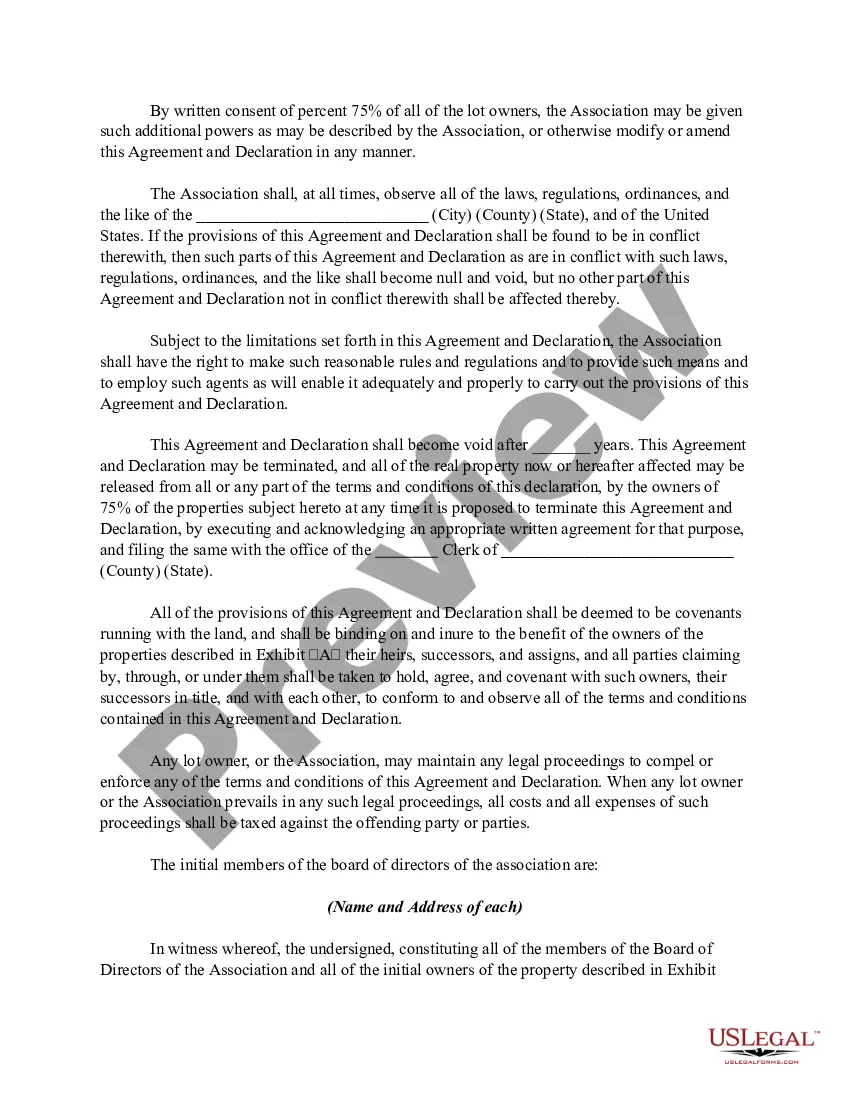
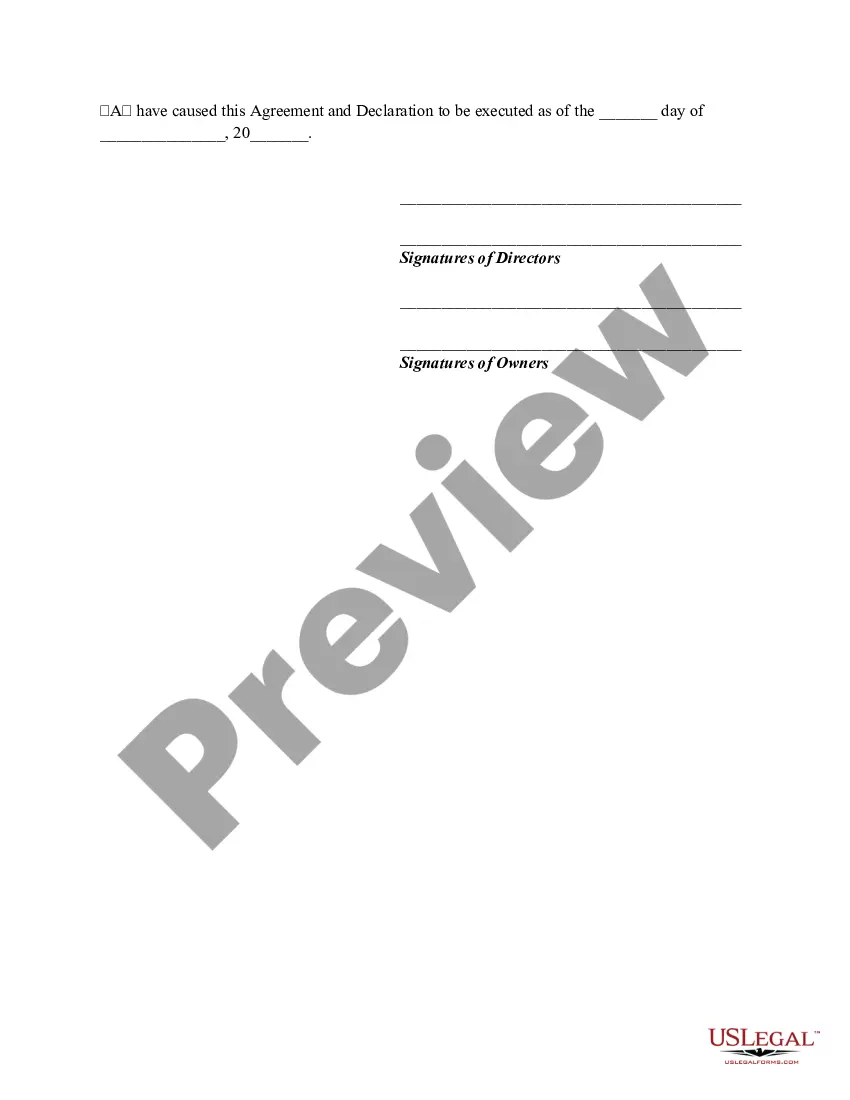
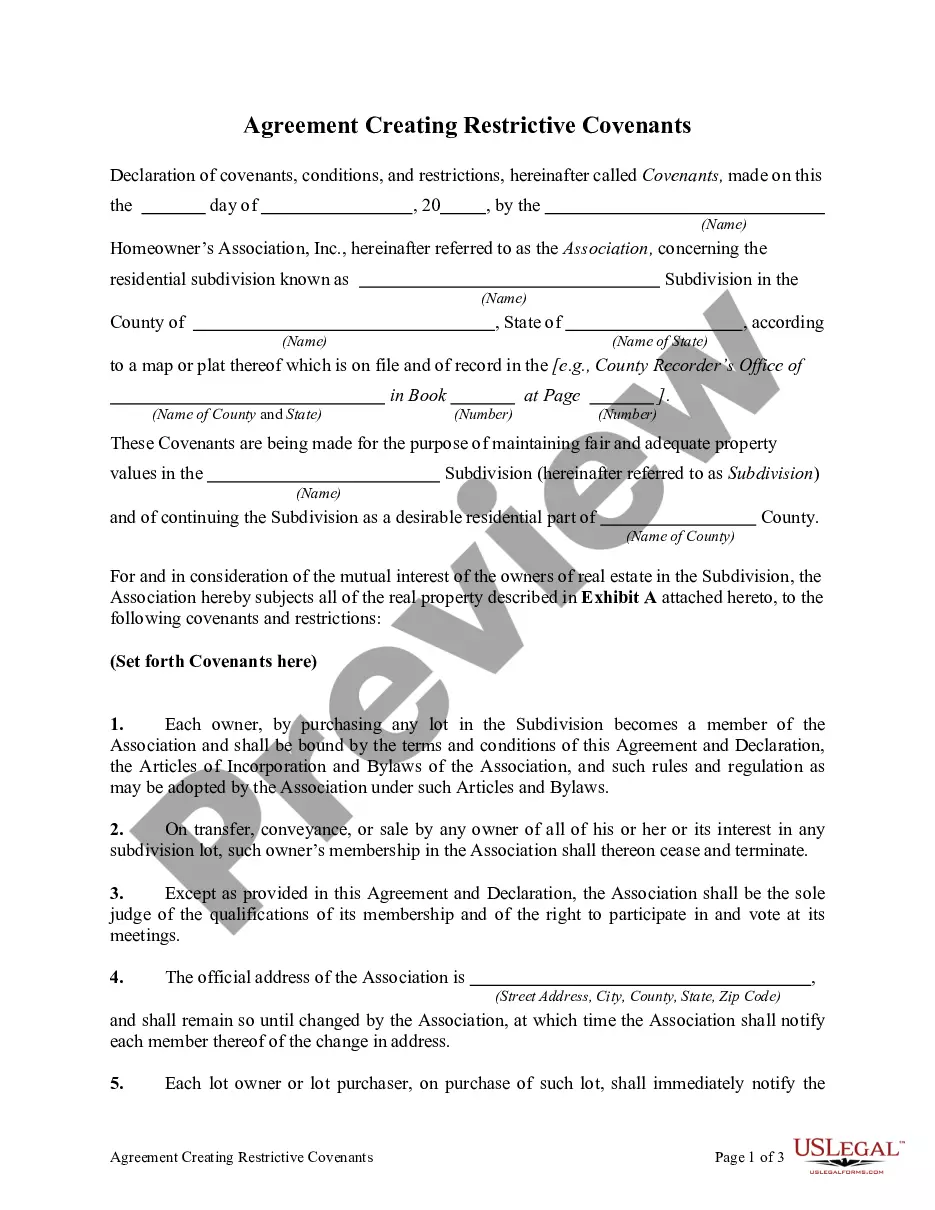
Covenant Agreement Meaning In Fulton
Description

Get your form ready online
Our built-in tools help you complete, sign, share, and store your documents in one place.
Make edits, fill in missing information, and update formatting in US Legal Forms—just like you would in MS Word.
Download a copy, print it, send it by email, or mail it via USPS—whatever works best for your next step.
Sign and collect signatures with our SignNow integration. Send to multiple recipients, set reminders, and more. Go Premium to unlock E-Sign.
If this form requires notarization, complete it online through a secure video call—no need to meet a notary in person or wait for an appointment.
We protect your documents and personal data by following strict security and privacy standards.

Make edits, fill in missing information, and update formatting in US Legal Forms—just like you would in MS Word.

Download a copy, print it, send it by email, or mail it via USPS—whatever works best for your next step.

Sign and collect signatures with our SignNow integration. Send to multiple recipients, set reminders, and more. Go Premium to unlock E-Sign.

If this form requires notarization, complete it online through a secure video call—no need to meet a notary in person or wait for an appointment.

We protect your documents and personal data by following strict security and privacy standards.
Looking for another form?






Form popularity
FAQ
The three types of covenants are positive, negative, and financial. Each contains a unique set of requirements and stipulations. Positive and negative covenants are not interchangeable as good or bad but rather refer to what borrowers can or cannot do.
Points to Note A single leader should lead the group through the covenant writing process. Limit your covenant to no more than 10 clauses. Keep clauses concise and specific. Begin where you are, not where you think you should be. Place the clauses in the same order they are named in the General Rule of Discipleship.
A future covenant is a type of covenant that can only be breached if there is interference with the possession of the grantee or the grantee's successors. This type of covenant includes the covenant for further assurances, the covenant for quiet enjoyment, and the covenant of warranty.
Simply put, a covenant within a contract is an agreement that certain activities or things will or won't happen once the contract is signed. You'll often find covenants in financial or property-related contracts, where one party wants a certain guarantee that something will or won't occur.
The two categories of covenants are a conditional covenant, in which each party promises to uphold certain terms lest the covenant is broken, and an unconditional covenant, in which the covenant cannot be broken.
The biblical covenants form the unifying thread of God's saving action through Scripture. While some theologians argue that there are three covenants prior (the covenant of redemption, covenant of works, and covenant of grace), the first explicit covenant in Scripture is between God and Noah after the flood.
Conservation land in Georgia is protected to preserve its natural state and biodiversity. These areas may include forests, wetlands, and wildlife habitats. Building on conservation land requires special permits and adherence to strict guidelines to minimize environmental impact.
Is there a tax break for farmland? Yes. Taxpayers who own 10 or more acres of non-commercial property may qualify for Conservation Use Assessment in Georgia.
The owner of a conservation use or residential transitional property must enter into a 10 year covenant. This covenant is a sworn agreement that the property owner will maintain the current use of the property for 10 years from January 1 of the year the property is entered into the covenant.