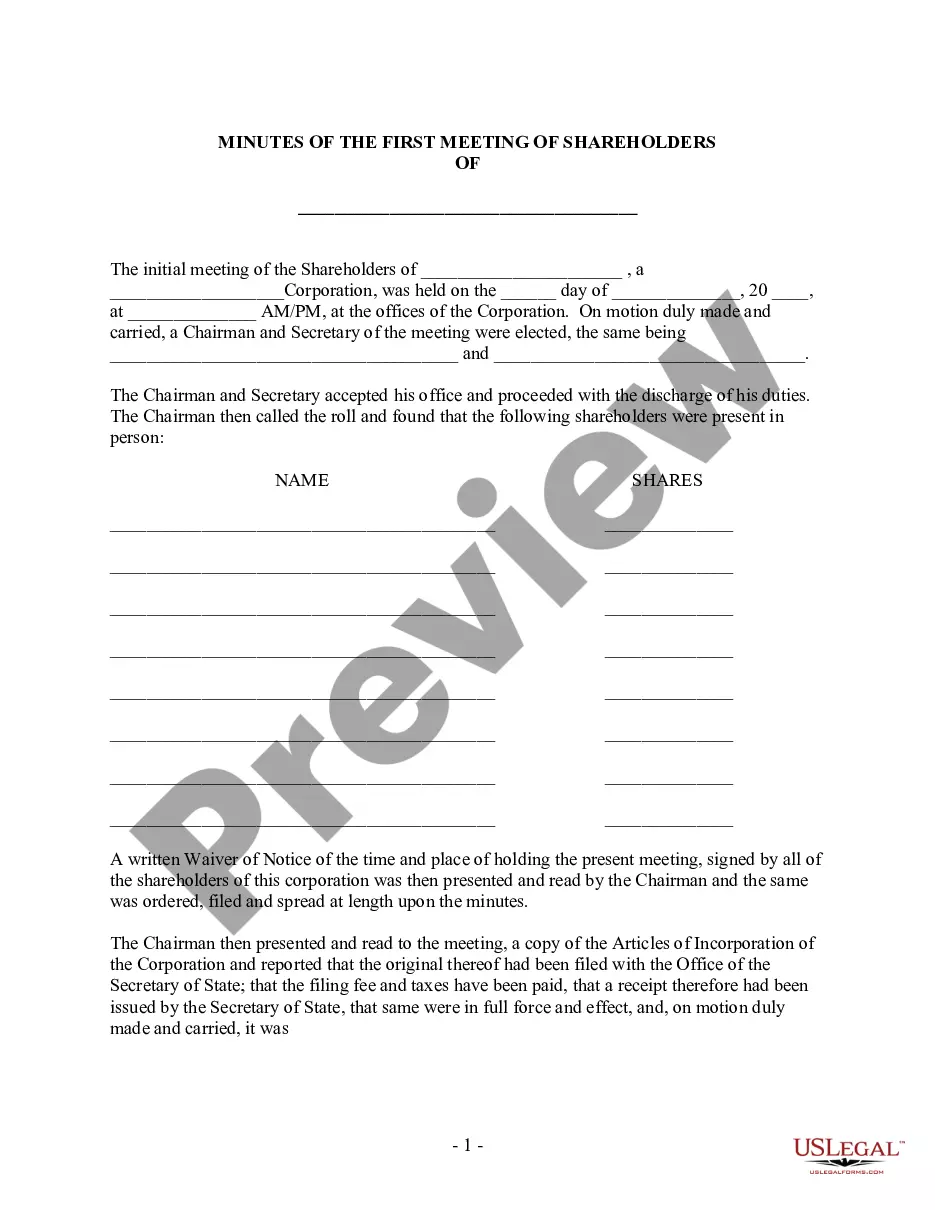
Covenant And Agreement Difference In Florida
Description

Get your form ready online
Our built-in tools help you complete, sign, share, and store your documents in one place.
Make edits, fill in missing information, and update formatting in US Legal Forms—just like you would in MS Word.
Download a copy, print it, send it by email, or mail it via USPS—whatever works best for your next step.
Sign and collect signatures with our SignNow integration. Send to multiple recipients, set reminders, and more. Go Premium to unlock E-Sign.
If this form requires notarization, complete it online through a secure video call—no need to meet a notary in person or wait for an appointment.
We protect your documents and personal data by following strict security and privacy standards.

Make edits, fill in missing information, and update formatting in US Legal Forms—just like you would in MS Word.

Download a copy, print it, send it by email, or mail it via USPS—whatever works best for your next step.

Sign and collect signatures with our SignNow integration. Send to multiple recipients, set reminders, and more. Go Premium to unlock E-Sign.

If this form requires notarization, complete it online through a secure video call—no need to meet a notary in person or wait for an appointment.

We protect your documents and personal data by following strict security and privacy standards.
Looking for another form?








Form popularity
FAQ
Basically the signers of a contract agree to hold up their ends as long as the other signatories hold up theirs too. With a covenant, both parties agree to hold up their ends regardless of whether the other party keeps their part of the agreement.
A covenant is different than a contract, it's the mutual binding of lives together. Rather than something that protects its own interest from the other, it builds a new thing alongside one another.
In its simplest terms, a “covenant” is an agreement to do or to not do something. Covenants are unconditional promises found in contracts, and the failure of a party who makes such an agreement to abide by its terms will entitle the other contracting party to damages for breach of contract.
A contract is an agreement between parties while a covenant is a pledge. A contract is an agreement you can break while a covenant is a perpetual promise. You seal a covenant while you sign a contract. A contract is a mutually beneficial relationship while a covenant is something you fulfill.
In a covenant, the good of the relationship comes before my own “needs.” A contract is self-serving while a covenant comes with an unlimited responsibility towards the good of the relationship.
Here are some fundamental differences: While a contract is legally binding, a covenant is a spiritual agreement. A contract is an agreement between parties while a covenant is a pledge. A contract is an agreement you can break while a covenant is a perpetual promise.
Whereas two parties sign a contract, with covenants, two parties exchange promises. The big difference is even though a commitment is asked of the other party, their fulfillment of this commitment does not affect the covenant.
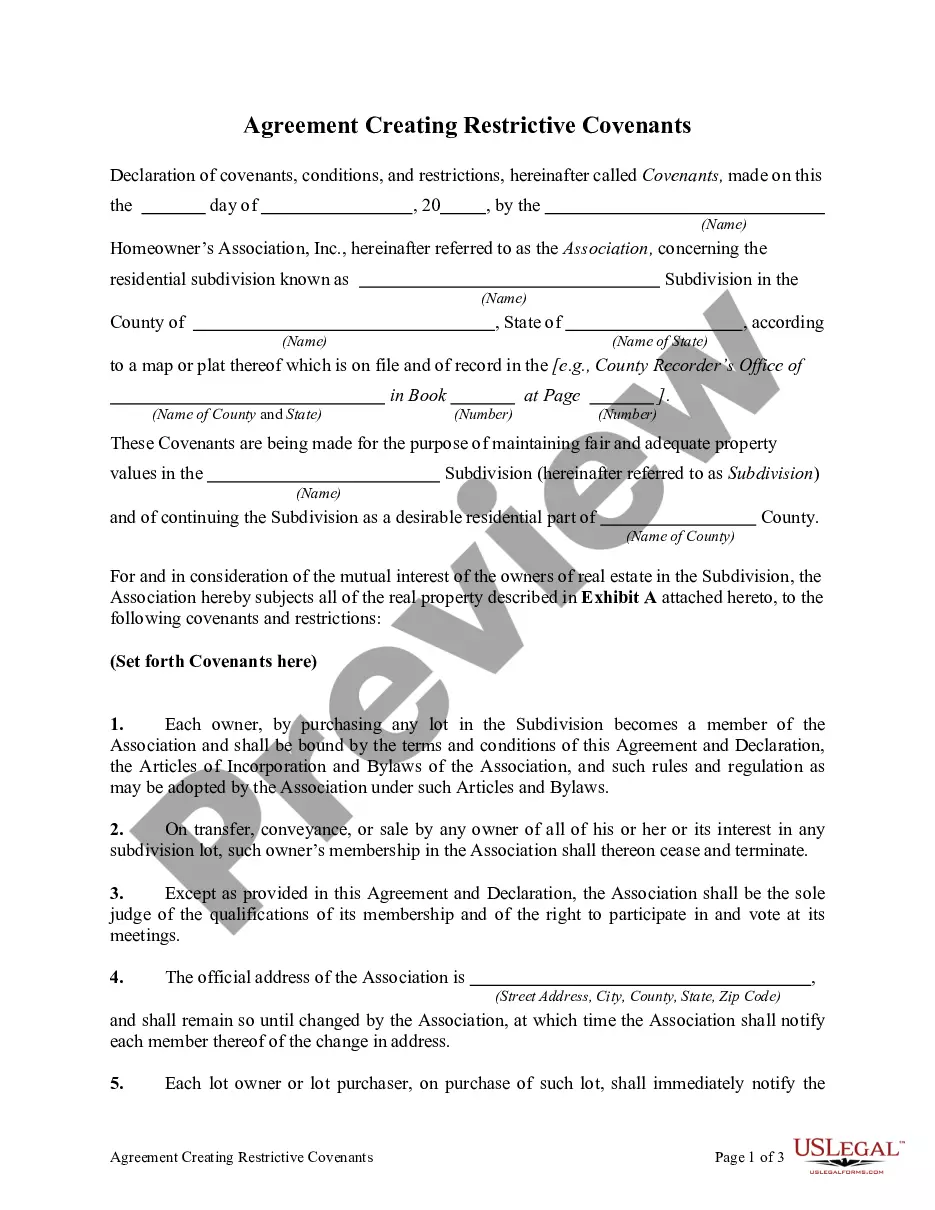
(4) “Declaration of covenants,” or “declaration,” means a recorded written instrument or instruments in the nature of covenants running with the land which subject the land comprising the community to the jurisdiction and control of an association or associations in which the owners of the parcels, or their association ...
Covenants are agreements between multiple parties that create a legally binding agreement on how each party is to perform. Covenants can either promote activity to occur (positive covenant) or disallow an event or condition (negative covenant).
Whereas two parties sign a contract, with covenants, two parties exchange promises. The big difference is even though a commitment is asked of the other party, their fulfillment of this commitment does not affect the covenant.