Covenant Is A Formal Agreement
Description

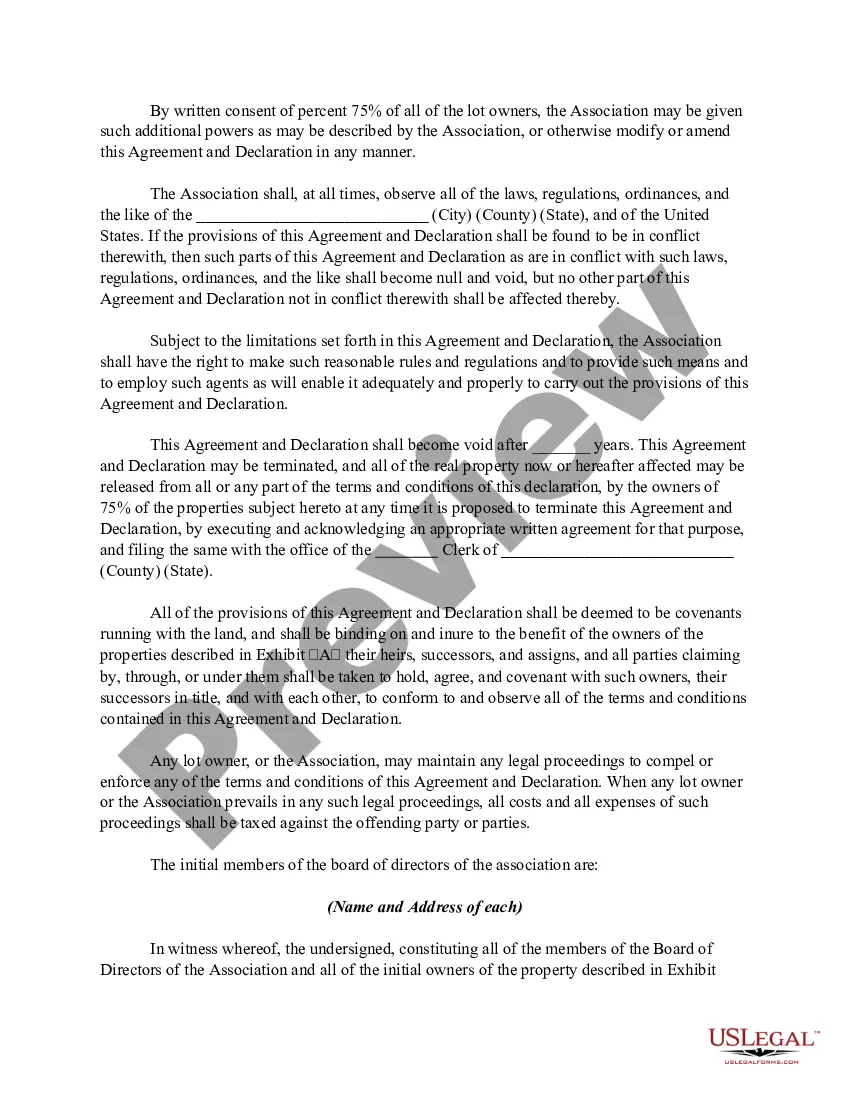
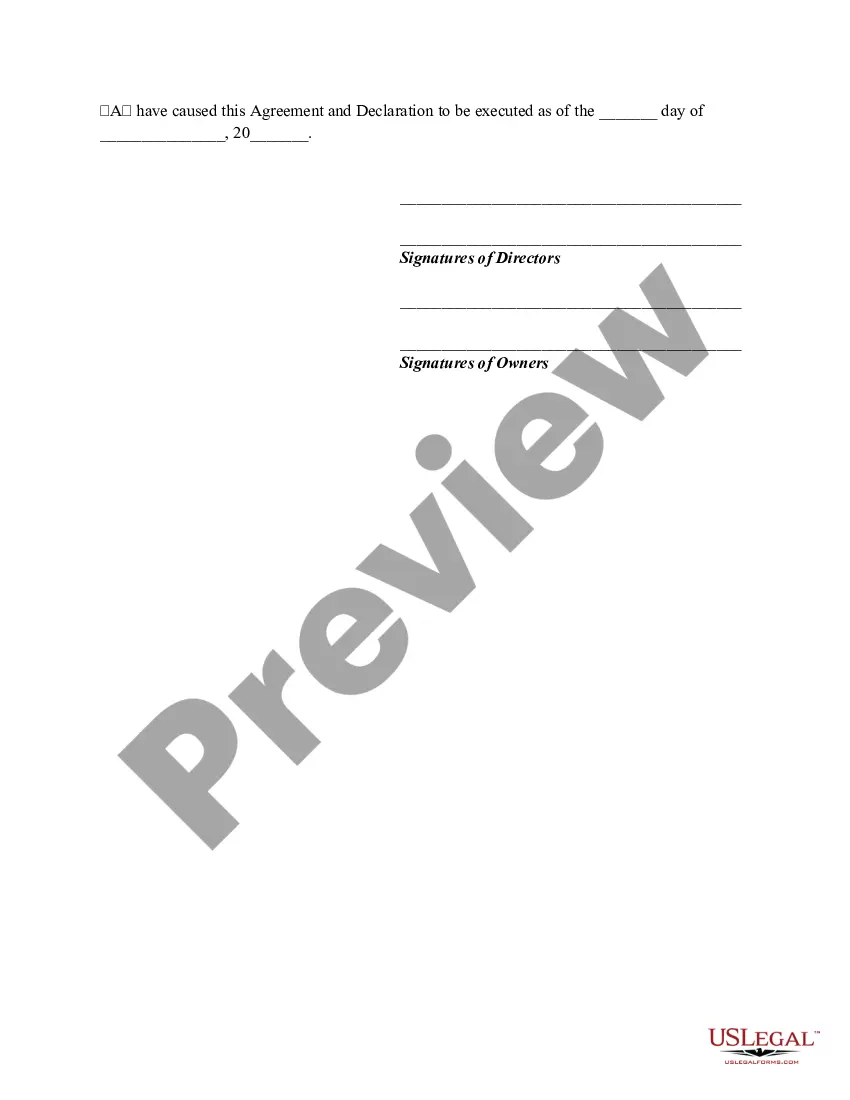
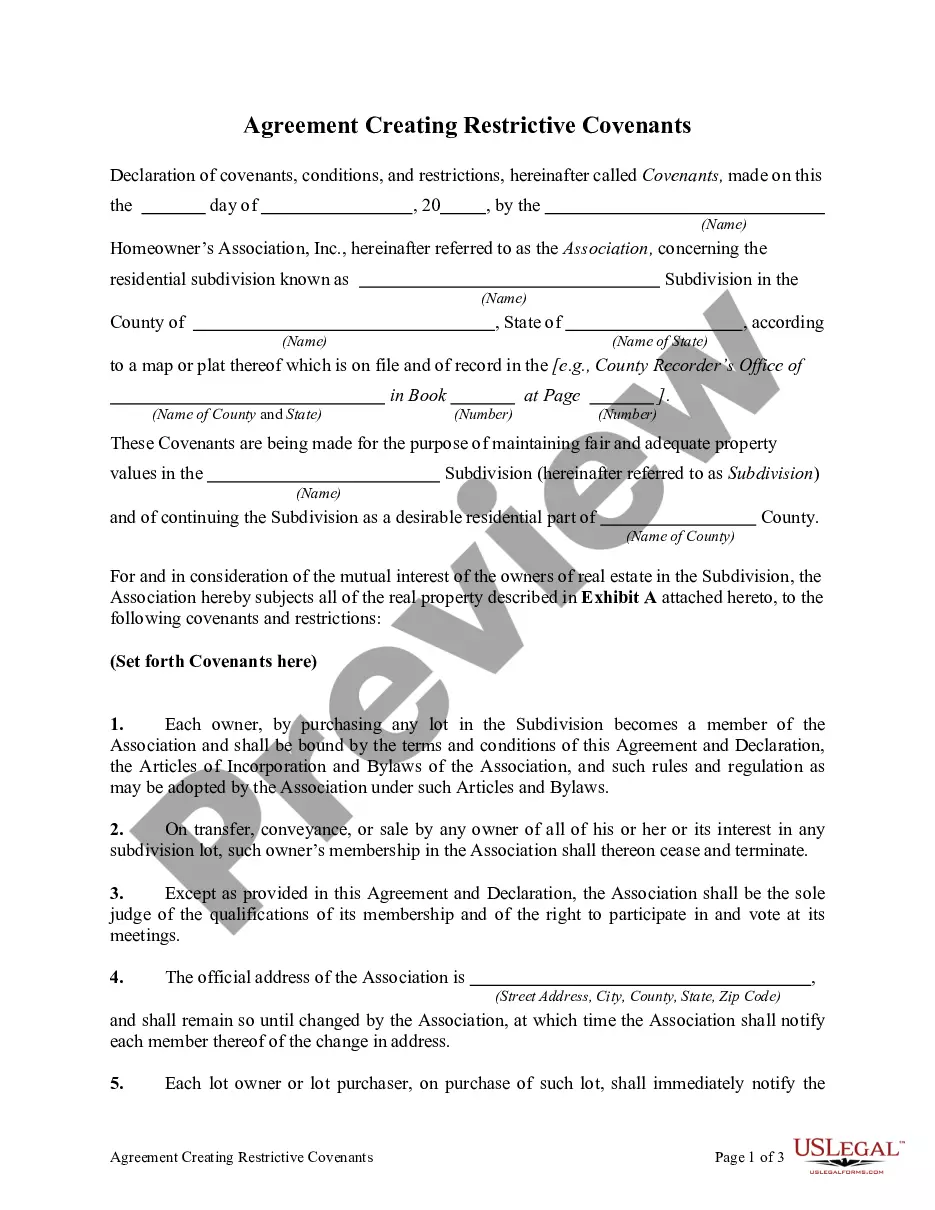
Get your form ready online
Our built-in tools help you complete, sign, share, and store your documents in one place.
Make edits, fill in missing information, and update formatting in US Legal Forms—just like you would in MS Word.
Download a copy, print it, send it by email, or mail it via USPS—whatever works best for your next step.
Sign and collect signatures with our SignNow integration. Send to multiple recipients, set reminders, and more. Go Premium to unlock E-Sign.
If this form requires notarization, complete it online through a secure video call—no need to meet a notary in person or wait for an appointment.
We protect your documents and personal data by following strict security and privacy standards.

Make edits, fill in missing information, and update formatting in US Legal Forms—just like you would in MS Word.

Download a copy, print it, send it by email, or mail it via USPS—whatever works best for your next step.

Sign and collect signatures with our SignNow integration. Send to multiple recipients, set reminders, and more. Go Premium to unlock E-Sign.

If this form requires notarization, complete it online through a secure video call—no need to meet a notary in person or wait for an appointment.

We protect your documents and personal data by following strict security and privacy standards.
Looking for another form?
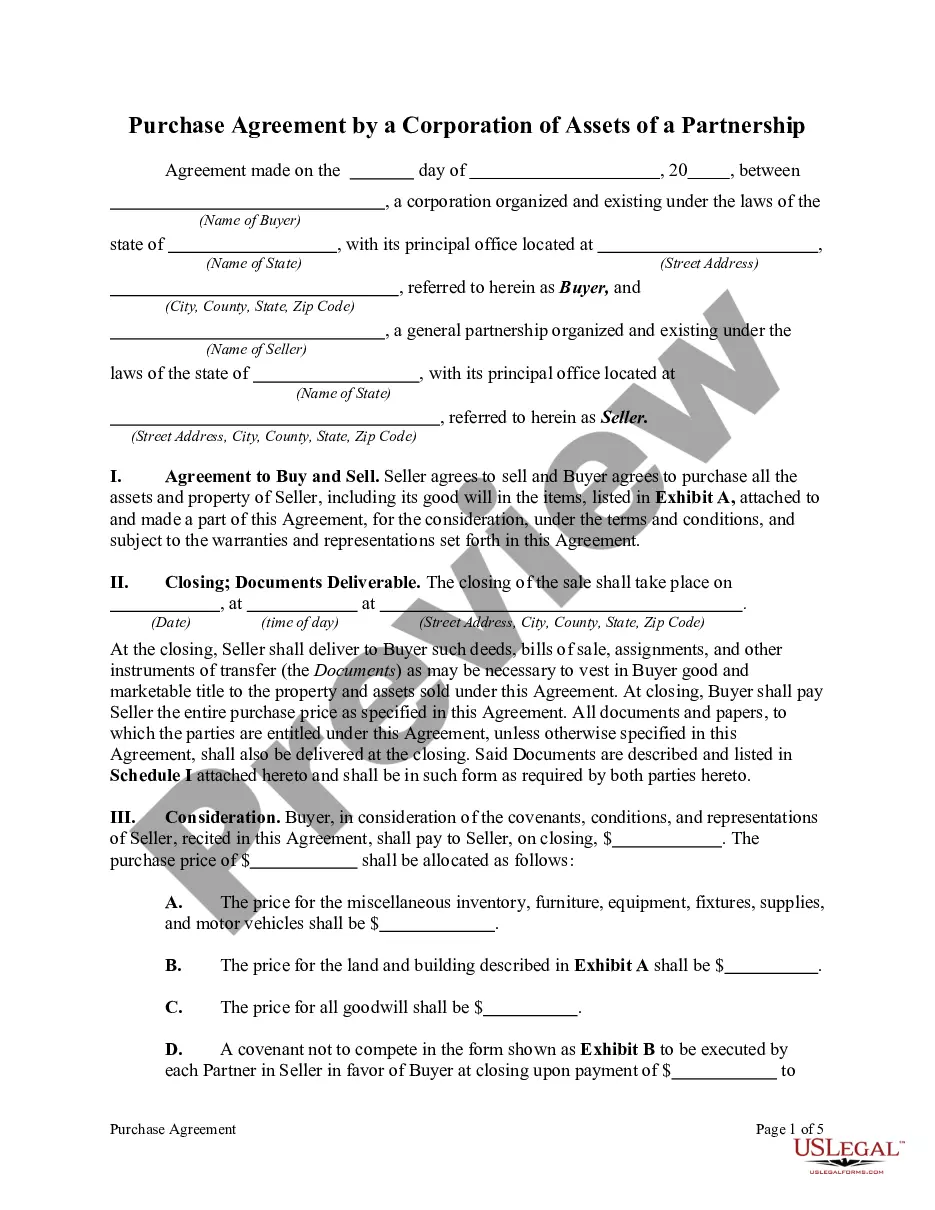





How to fill out Agreement Creating Restrictive Covenants?
Regardless of whether for corporate objectives or personal concerns, all individuals must handle legal matters at some stage in their lives.
Completing legal forms requires meticulous care, starting with choosing the correct template.
- For instance, if you select an incorrect version of the Covenant Is A Formal Agreement, it will be rejected upon submission.
- Thus, it is vital to have a trustworthy source of legal documents like US Legal Forms.
- To obtain a Covenant Is A Formal Agreement template, adhere to these straightforward steps.
- 1. Acquire the necessary sample by employing the search bar or catalog navigation.
- 2. Review the description of the form to ensure it aligns with your situation, state, and county.
- 3. Click on the form’s preview to review it.
- 4. If it is the wrong document, return to the search function to find the Covenant Is A Formal Agreement template you require.
- 5. Download the template when it meets your needs.
- 6. If you possess a US Legal Forms account, click Log in to access previously stored templates in My documents.
- 7. If you do not have an account, you can acquire the form by clicking Buy now.
- 8. Choose the appropriate pricing option.
- 9. Complete the profile registration form.
- 10. Select your payment method: a credit card or PayPal account can be used.
- 11. Choose the file format you want and download the Covenant Is A Formal Agreement.
- 12. Once saved, you can complete the form using editing software or print it out to fill in manually.
- By utilizing the extensive US Legal Forms catalog, you do not need to waste time searching for the proper sample across the internet.
- Utilize the library's easy navigation to discover the right form for any circumstance.
Form popularity
FAQ
Negative covenants are actions you can't take, while positive covenants are actions you must take. For example, a negative covenant in real estate could prevent you from raising chickens on your property. On the other hand, a positive covenant could require you to mow your lawn.
1 Examples of affirmative covenants include requirements to maintain adequate levels of insurance, requirements to furnish audited financial statements to the lender, compliance with applicable laws, and maintenance of proper accounting books and credit rating, if applicable.
A covenant agreement is akin to a contractual agreement between parties. It often outlines terms and conditions where a party will perform a certain action or refrain from performing a certain action. Covenants are legally binding and enforceable.
An example of a contractual covenant is a non-compete agreement. Examples of common covenants in property law include agreements not to build a fence or agreements to maintain a shared driveway.
While a contract is legally binding, a covenant is a spiritual agreement. A contract is an agreement between parties while a covenant is a pledge. A covenant is an agreement you can break while a covenant is a perpetual promise. You seal a covenant while you sign a contract.