Restrictive Covenant For Contract Work In Contra Costa
Description

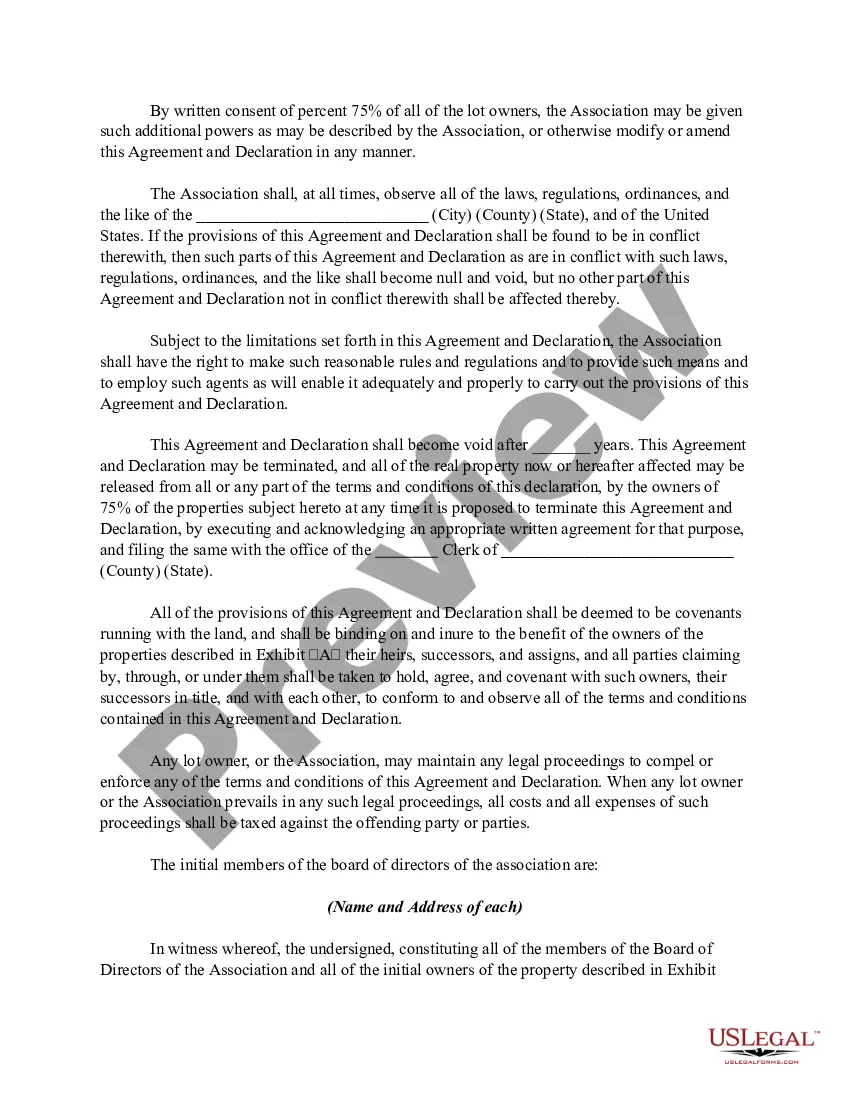
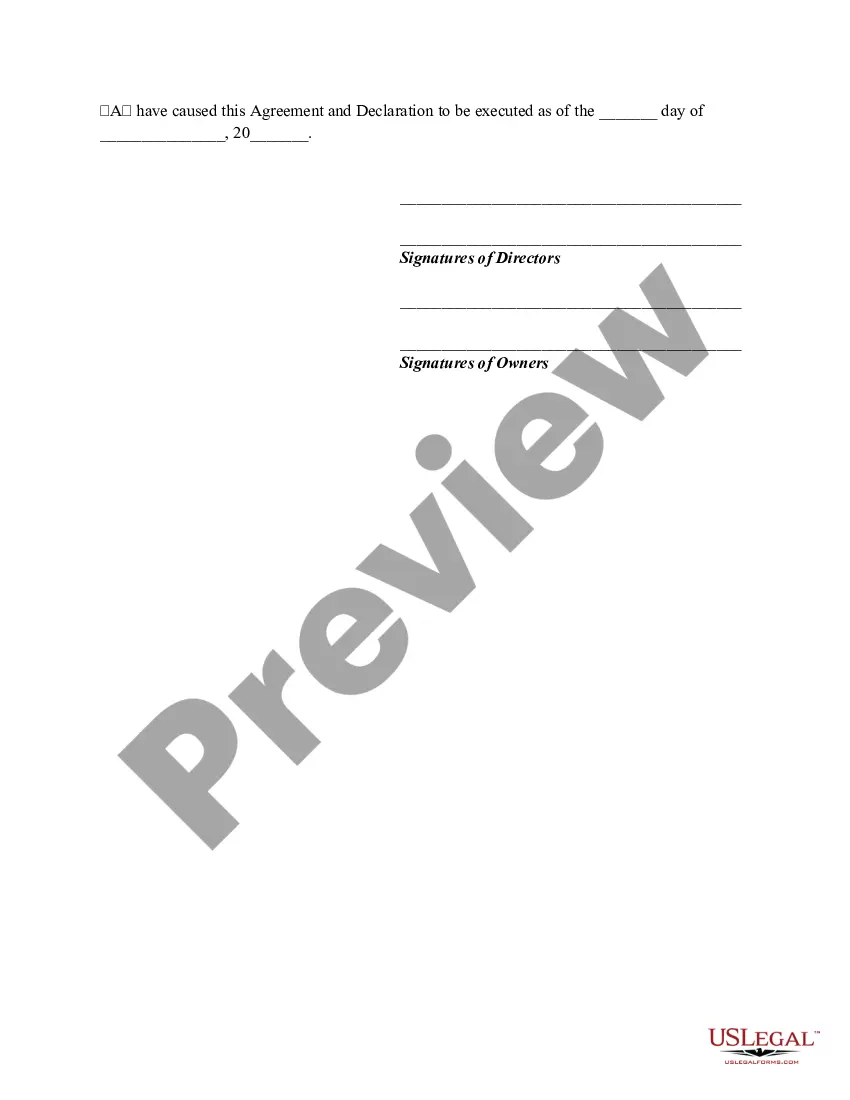
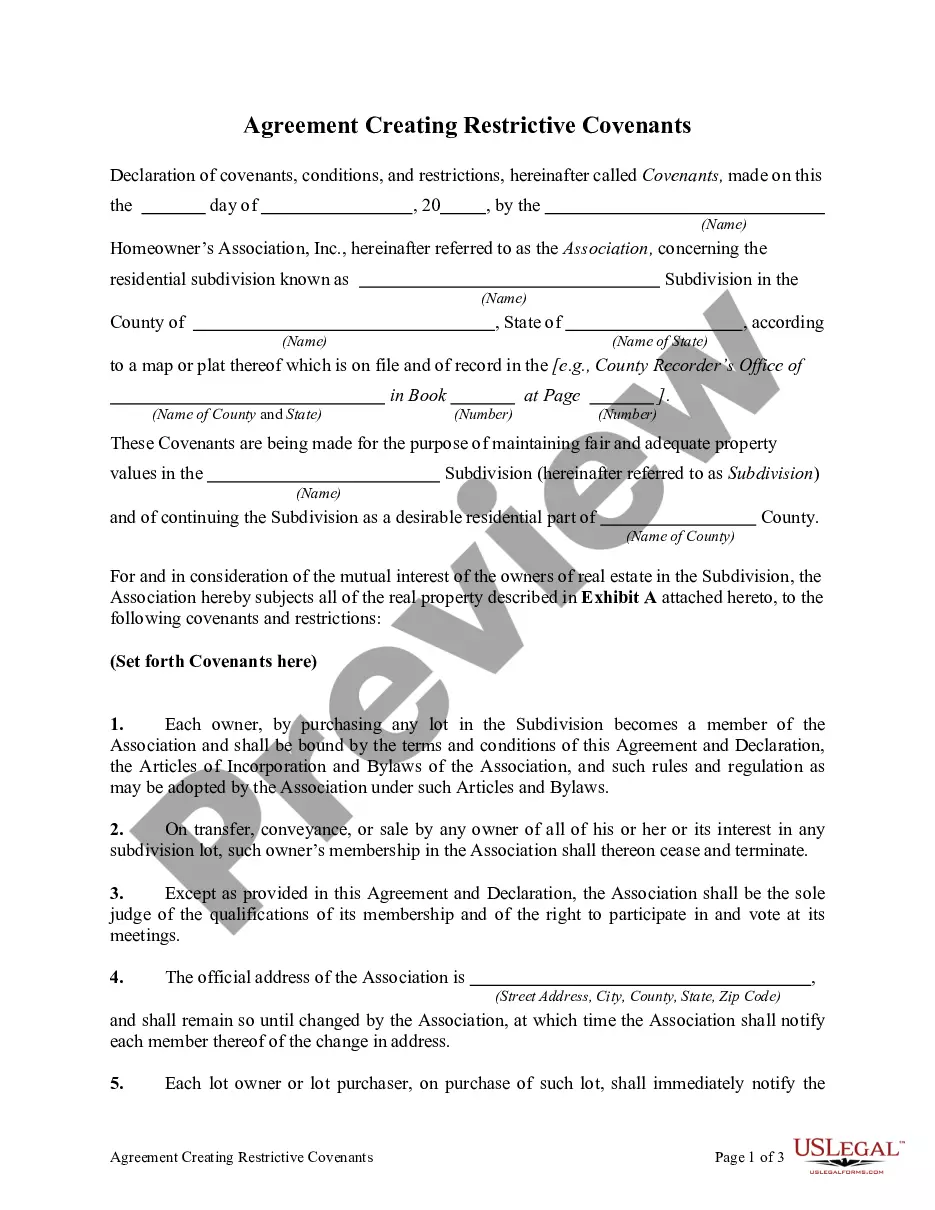
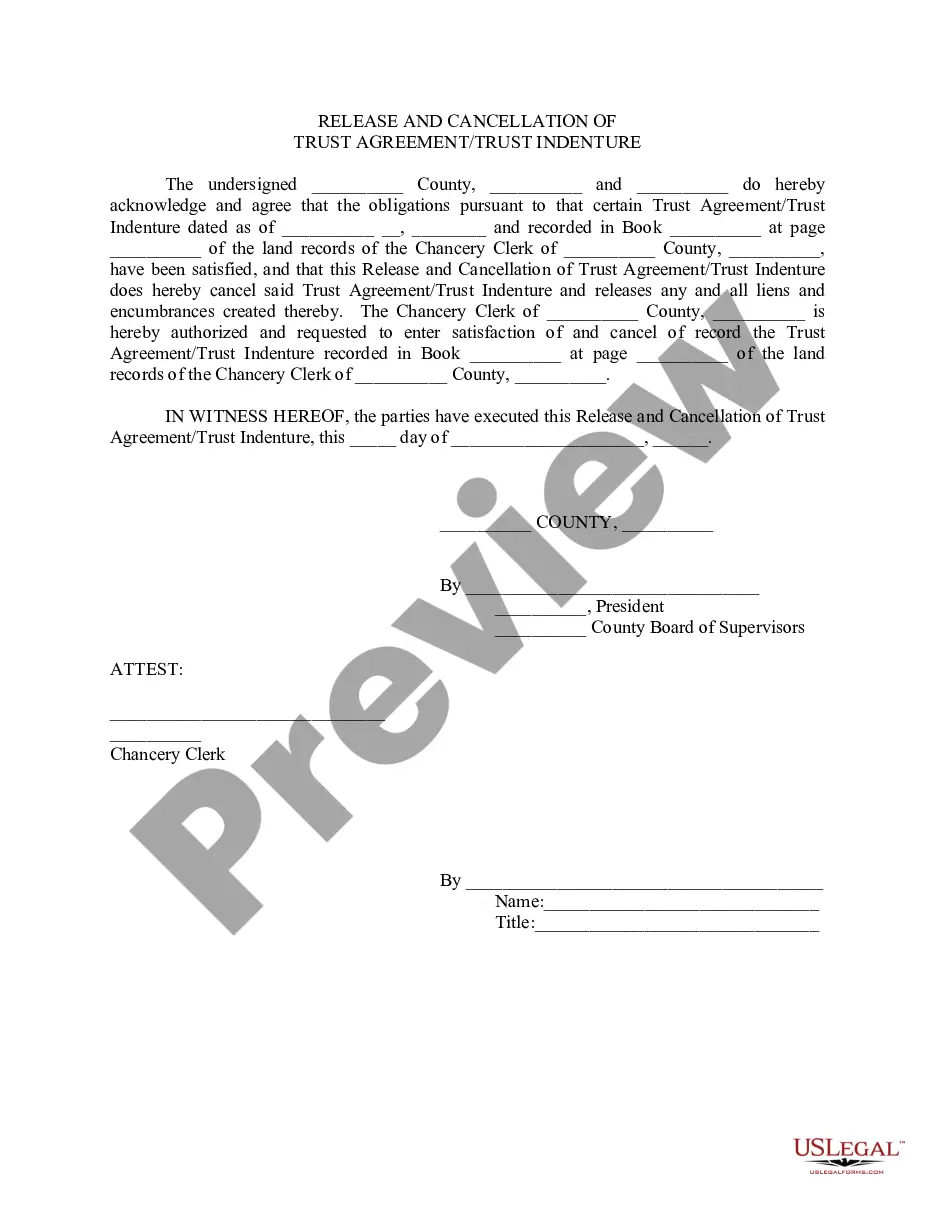
Get your form ready online
Our built-in tools help you complete, sign, share, and store your documents in one place.
Make edits, fill in missing information, and update formatting in US Legal Forms—just like you would in MS Word.
Download a copy, print it, send it by email, or mail it via USPS—whatever works best for your next step.
Sign and collect signatures with our SignNow integration. Send to multiple recipients, set reminders, and more. Go Premium to unlock E-Sign.
If this form requires notarization, complete it online through a secure video call—no need to meet a notary in person or wait for an appointment.
We protect your documents and personal data by following strict security and privacy standards.

Make edits, fill in missing information, and update formatting in US Legal Forms—just like you would in MS Word.

Download a copy, print it, send it by email, or mail it via USPS—whatever works best for your next step.

Sign and collect signatures with our SignNow integration. Send to multiple recipients, set reminders, and more. Go Premium to unlock E-Sign.

If this form requires notarization, complete it online through a secure video call—no need to meet a notary in person or wait for an appointment.

We protect your documents and personal data by following strict security and privacy standards.
Looking for another form?

Form popularity
FAQ
Restrictive Covenants, Explained This restricts how homeowners can manage and modify their land. Examples include restrictions on fence options, the type of animals allowed and the use of outbuildings, such as sheds.
There may be terms in your contract that says you can't work for a competitor or have contact with customers for a period of time after you leave the company. These are called 'restrictive covenants'. Your company could take you to court if you breach the restrictive covenants in your contract.
Are discriminatory restrictive covenants illegal? Generally, yes. Since the United States Supreme Court's 1948 decision in the case Shelley v. Kraemer, restrictive covenants based on race have been unenforceableA contract will not be enforced by a court of law..
Employers often include in employment contracts what are referred to as “restrictive covenants.” This term is generally used to describe two main types of contractual clause: the non-solicitation clause and the non-compete clause.
Current and Future Agreements Agreements containing impermissible covenants are “unenforceable regardless of where or when the contract was signed” (BPC § 16600.5(a)), and regardless of whether “the employment was maintained outside of California” (BPC § 16600.5(b)).
In the United States, employers generally use four types of restrictive covenants: (1) covenants not to compete for a certain period of time following the employee's termination from employment (or following a business transaction such as a sale, merger, etc.); (2) covenants not to solicit customers or clients for a ...
