Covenant Agreement In Tagalog In Contra Costa
Description

Get your form ready online
Our built-in tools help you complete, sign, share, and store your documents in one place.
Make edits, fill in missing information, and update formatting in US Legal Forms—just like you would in MS Word.
Download a copy, print it, send it by email, or mail it via USPS—whatever works best for your next step.
Sign and collect signatures with our SignNow integration. Send to multiple recipients, set reminders, and more. Go Premium to unlock E-Sign.
If this form requires notarization, complete it online through a secure video call—no need to meet a notary in person or wait for an appointment.
We protect your documents and personal data by following strict security and privacy standards.

Make edits, fill in missing information, and update formatting in US Legal Forms—just like you would in MS Word.

Download a copy, print it, send it by email, or mail it via USPS—whatever works best for your next step.

Sign and collect signatures with our SignNow integration. Send to multiple recipients, set reminders, and more. Go Premium to unlock E-Sign.

If this form requires notarization, complete it online through a secure video call—no need to meet a notary in person or wait for an appointment.

We protect your documents and personal data by following strict security and privacy standards.
Looking for another form?
Form popularity
FAQ
Restrictive covenants are clauses in commercial contracts that limit what a party can do, to protect your business interests. The primary purpose of a restrictive covenant in a commercial contract is to restrict the other party from engaging in certain commercial activities.
God's covenant with Noah was a commitment to maintain the inherent relationship between Creator and creation; his relationship with the natural order – implicit in the act of creation – whereby he promised never again to destroy the earth with a flood.
Covenants are particularly relevant in the fields of contract law and property law. An example of a contractual covenant is a non-compete agreement . Examples of common covenants in property law include agreements not to build a fence or agreements to maintain a shared driveway.
They're like the backbone of the Bible. From Genesis on, God enters into one formal relationship after another (i.e., covenants) with various humans in order to rescue his world. These divine-human relationships push that narrative forward until it reaches its in Jesus.
God promises that David's throne will be established forever. God had a special plan for David and his descendants. From the line of David, the one who would be King of Kings and Lord of Lords would come. Jesus was the fulfillment of that promise made to David!
The covenant is a promise that God made with Abraham. ing to the covenant, God would offer protection and land to Abraham and his descendants, but they must follow the path of God. God then commanded Abraham and his future generations to perform the ritual of circumcision (brit milah) as a symbol of the covenant.
The Word of God is clear that agreement is when we think and believe the same way. “Again, I tell you that if two of you on earth agree about anything you ask for, it will be done for you by my Father in heaven.” In this verse, the Greek word that's translated, agree, is sumphoneo.
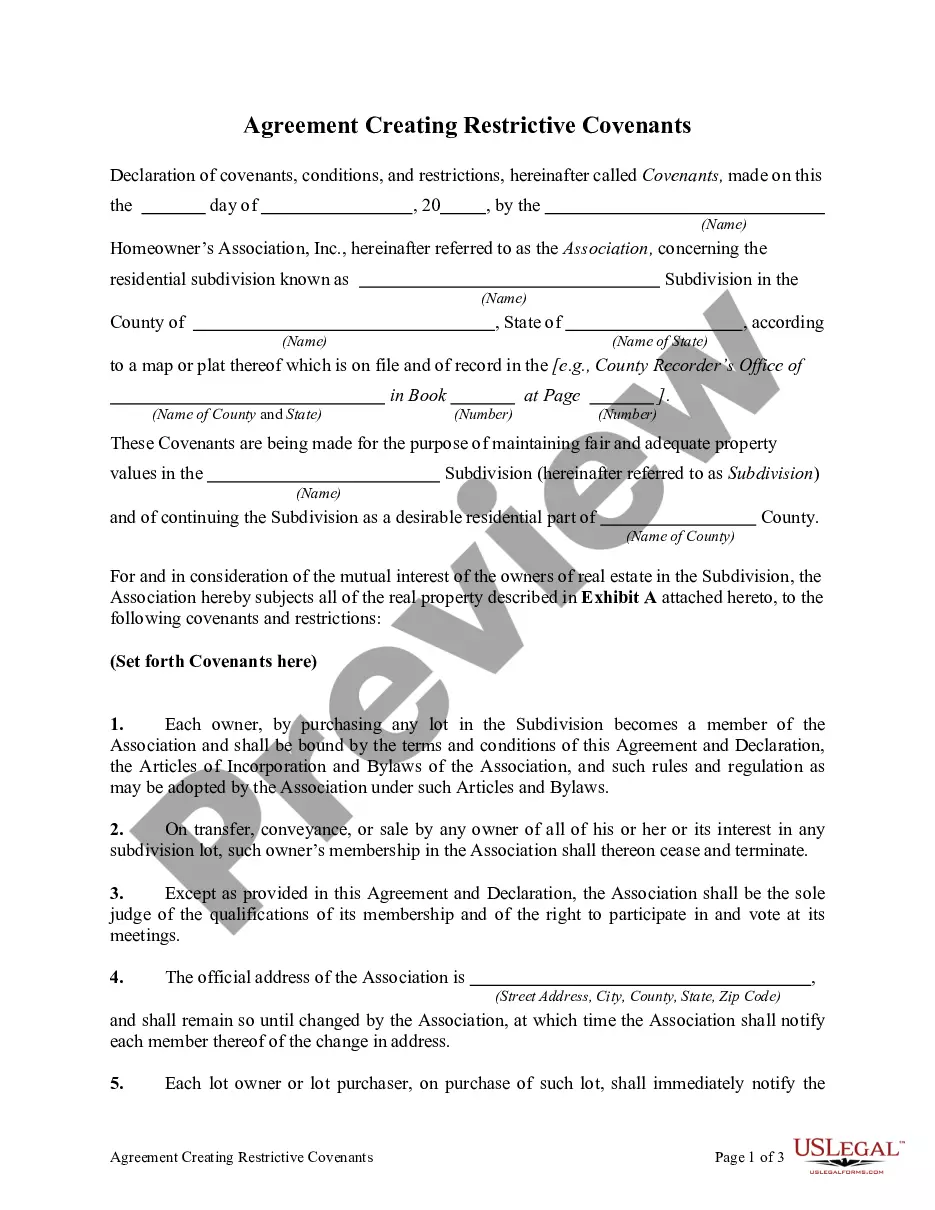
A covenant agreement is akin to a contractual agreement between parties. It often outlines terms and conditions where a party will perform a certain action or refrain from performing a certain action. Covenants are legally binding and enforceable.
Think of a marriage—a husband and wife choose to enter into a formal relationship, binding themselves to one another in lifelong faithfulness and devotion. They then work as partners to reach a common goal, like building a life or raising children together.
