Requesting Discovery Form For Personal Injury Courts In Arizona
Description
Get your form ready online
Our built-in tools help you complete, sign, share, and store your documents in one place.
Make edits, fill in missing information, and update formatting in US Legal Forms—just like you would in MS Word.
Download a copy, print it, send it by email, or mail it via USPS—whatever works best for your next step.
Sign and collect signatures with our SignNow integration. Send to multiple recipients, set reminders, and more. Go Premium to unlock E-Sign.
If this form requires notarization, complete it online through a secure video call—no need to meet a notary in person or wait for an appointment.
We protect your documents and personal data by following strict security and privacy standards.

Make edits, fill in missing information, and update formatting in US Legal Forms—just like you would in MS Word.

Download a copy, print it, send it by email, or mail it via USPS—whatever works best for your next step.

Sign and collect signatures with our SignNow integration. Send to multiple recipients, set reminders, and more. Go Premium to unlock E-Sign.

If this form requires notarization, complete it online through a secure video call—no need to meet a notary in person or wait for an appointment.

We protect your documents and personal data by following strict security and privacy standards.
Looking for another form?
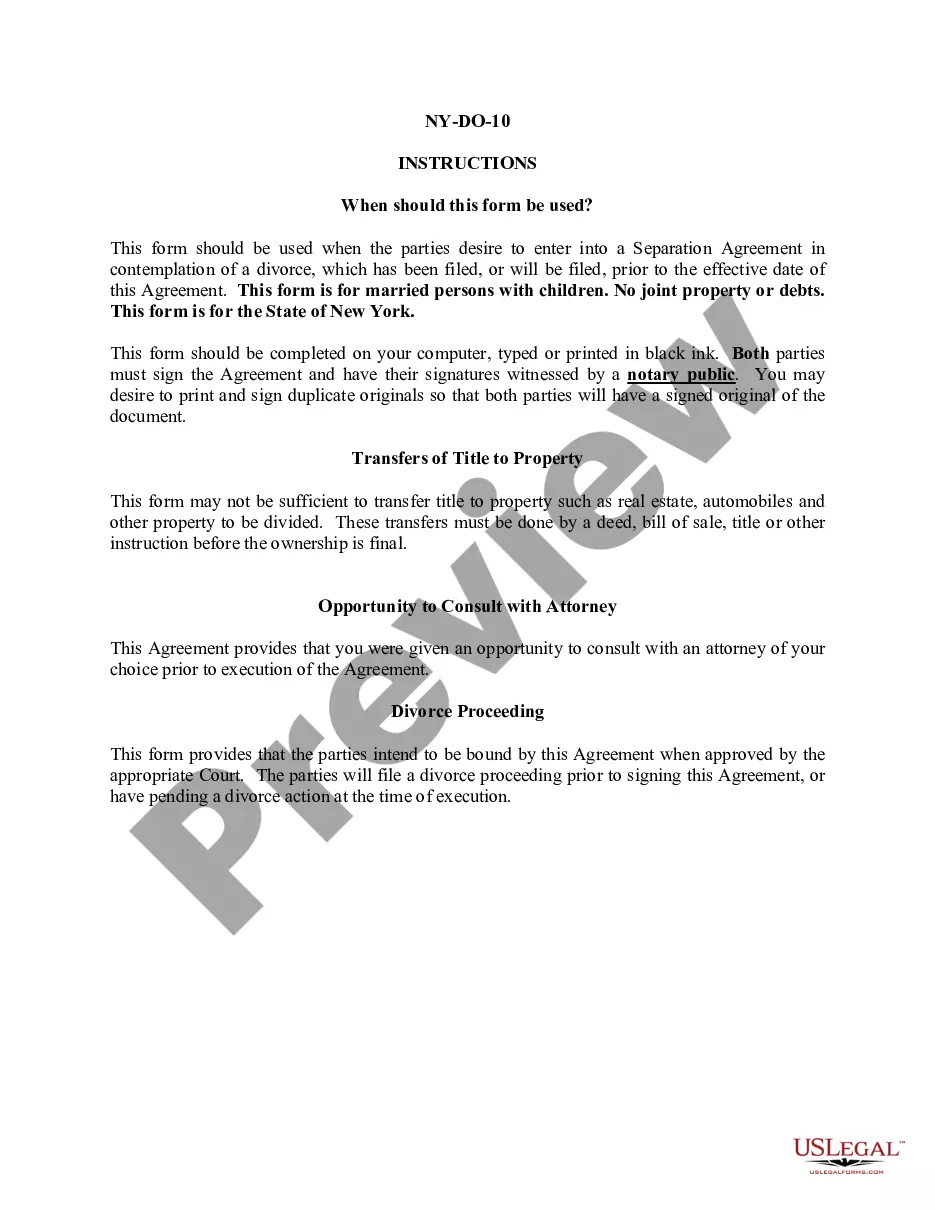





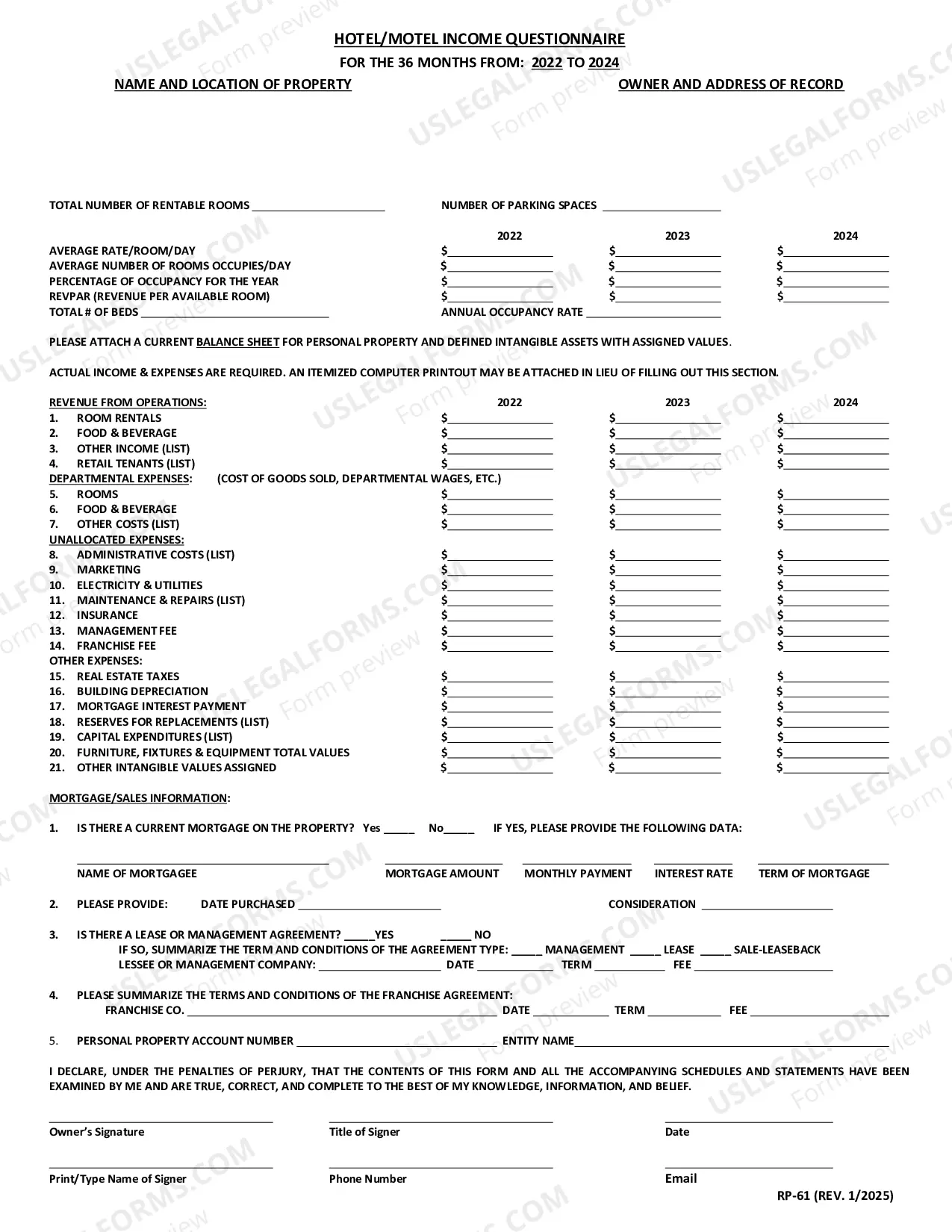


Form popularity
FAQ
The discovery phase in personal injury cases can take months or even years. The parties to the case have a right to evidence that will help them prove their case. Discovery allows both sides to interview potential witnesses and review potential evidence that may be helpful or harmful to their case.
Discovery is how you gather the evidence you will need to prove your case as plaintiff, or defeat the plaintiff's case as a defendant. You use discovery to find out things like: What the other side plans to say about an issue in your case. What facts or witnesses support their side.
However, most personal injury cases settle before trial. Instead, they may offer the settlement well after the trial starts. This typically happens after discovery, but it may even happen after the jury reaches a verdict.
What Is the Discovery Rule in Arizona? Arizona applies the discovery rule in certain personal injury cases. Under this rule, the statute of limitations may begin from the date when the injury was discovered or when it reasonably should have been discovered.
Discovery is the process by which both sides exchange information, evidence, names of witnesses, and documents. For the plaintiff, this process helps in understanding what, if anything, could have been done to prevent the injury-producing event.
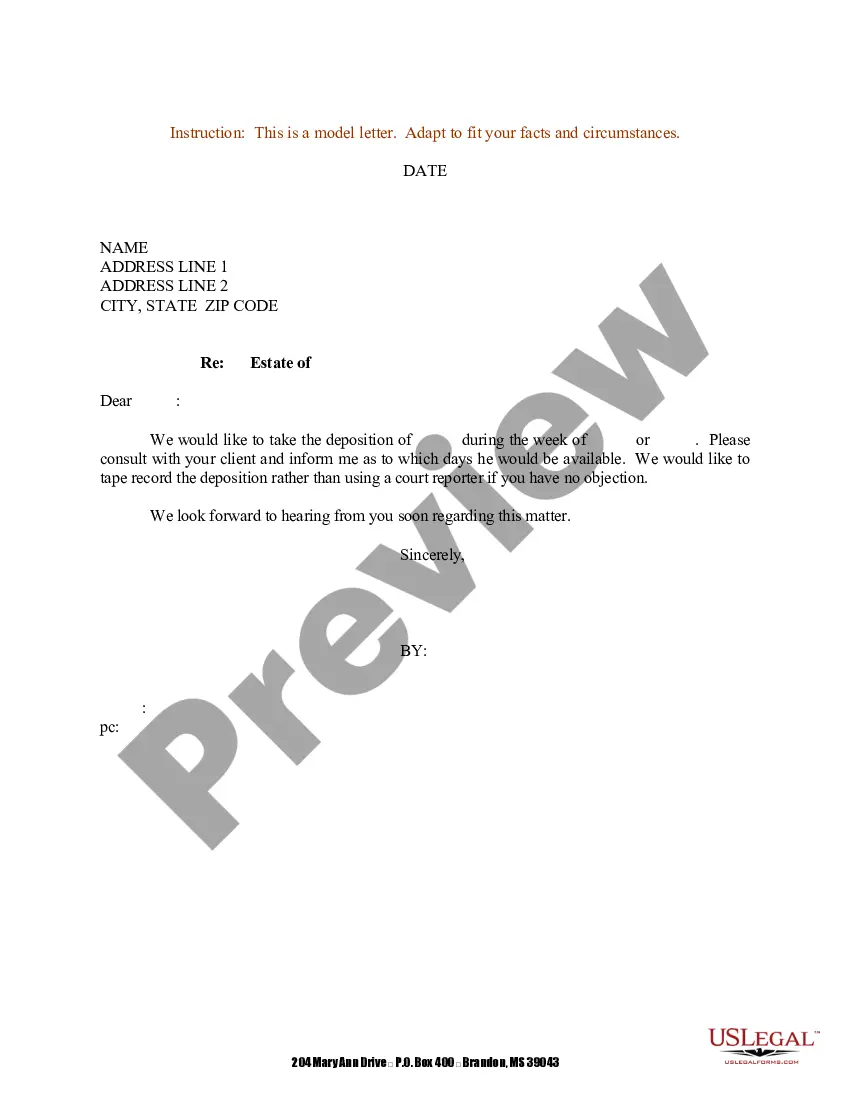
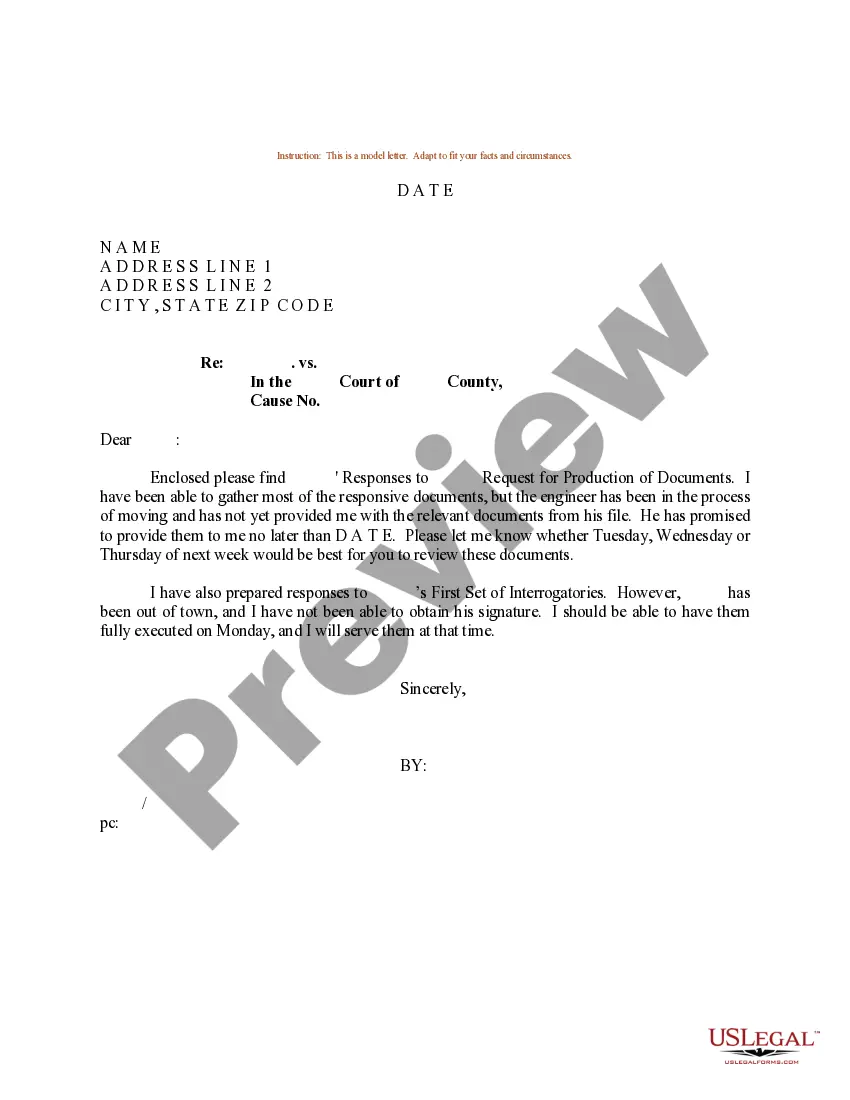
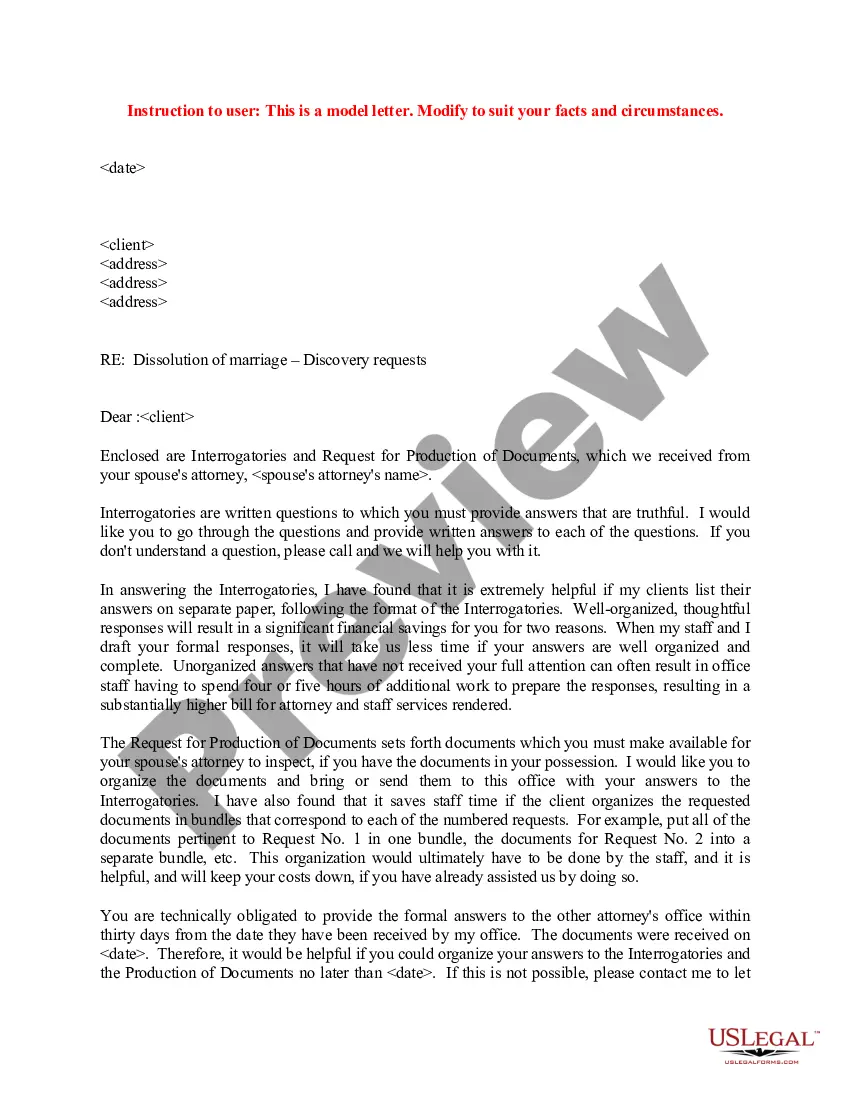
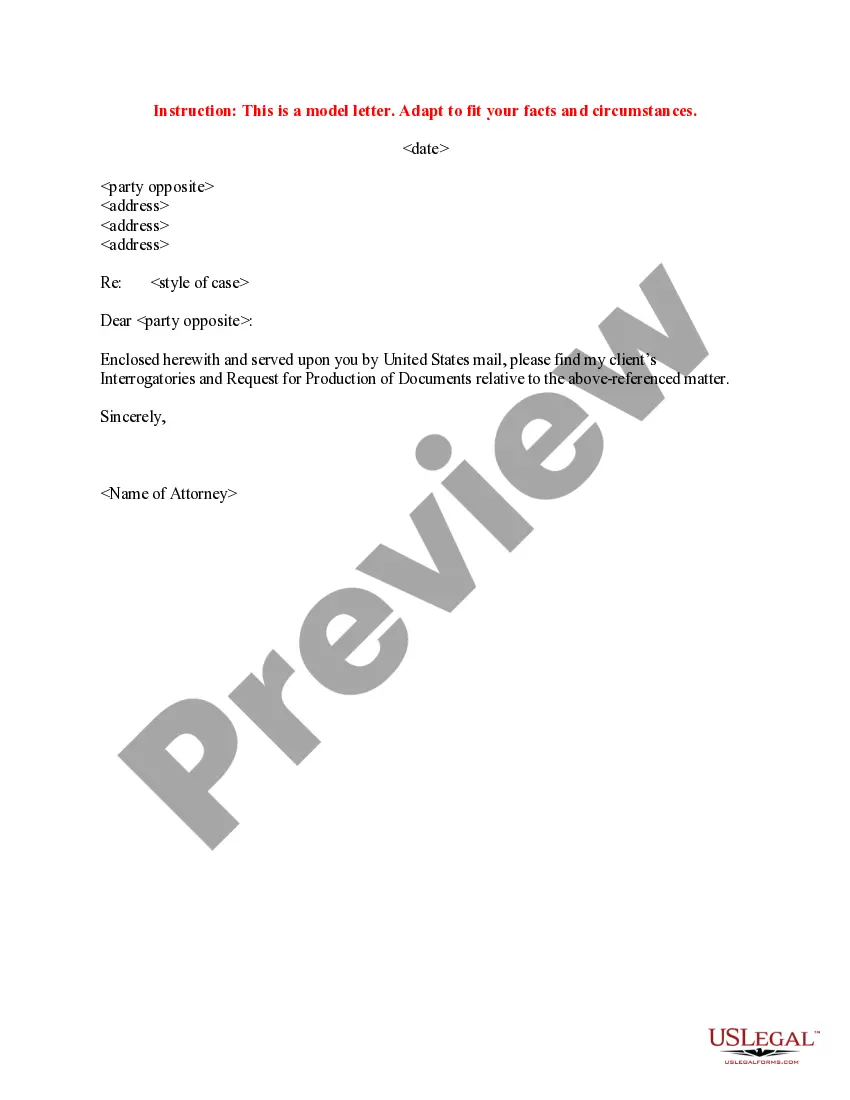
How Does Discovery Work? There are four main types of discovery requests: (1) depositions; (2) interrogatories; (3) requests for admissions; and (4) requests for the production of documents. Depositions are formal witness interviews.
Requests for admission can pose statements such as, “Admit you were driving above the speed limit.” Or, “Admit that your driving speed was a contributing factor to the accident.” Any statements that the Defendant admits to (or doesn't object to or deny) are established as fact and are taken as true for the duration of ...
The discovery process is the way you (and the other party) learn more about the case. It includes an opportunity to look at documents the other side has that relate to the case. You also have an opportunity to ask the other side questions about what happened.
Whereas, the citizens of Arizona recognize and appreciate the wonderful diversity of peoples, cultures, faiths and languages that make up our state; and. Whereas, the Golden Rule proclaims that we should treat others the way we would like to be treated; and.
The One Expert Rule is not meant to combat cumulative evidence, but rather its purpose is to reduce costs in presenting multiple expert witnesses. Arizona Rule of Evidence 403 addresses cumulative evidence and relevant evidence can be excluded if its probative value is outweighed by a danger of cumulative evidence.

