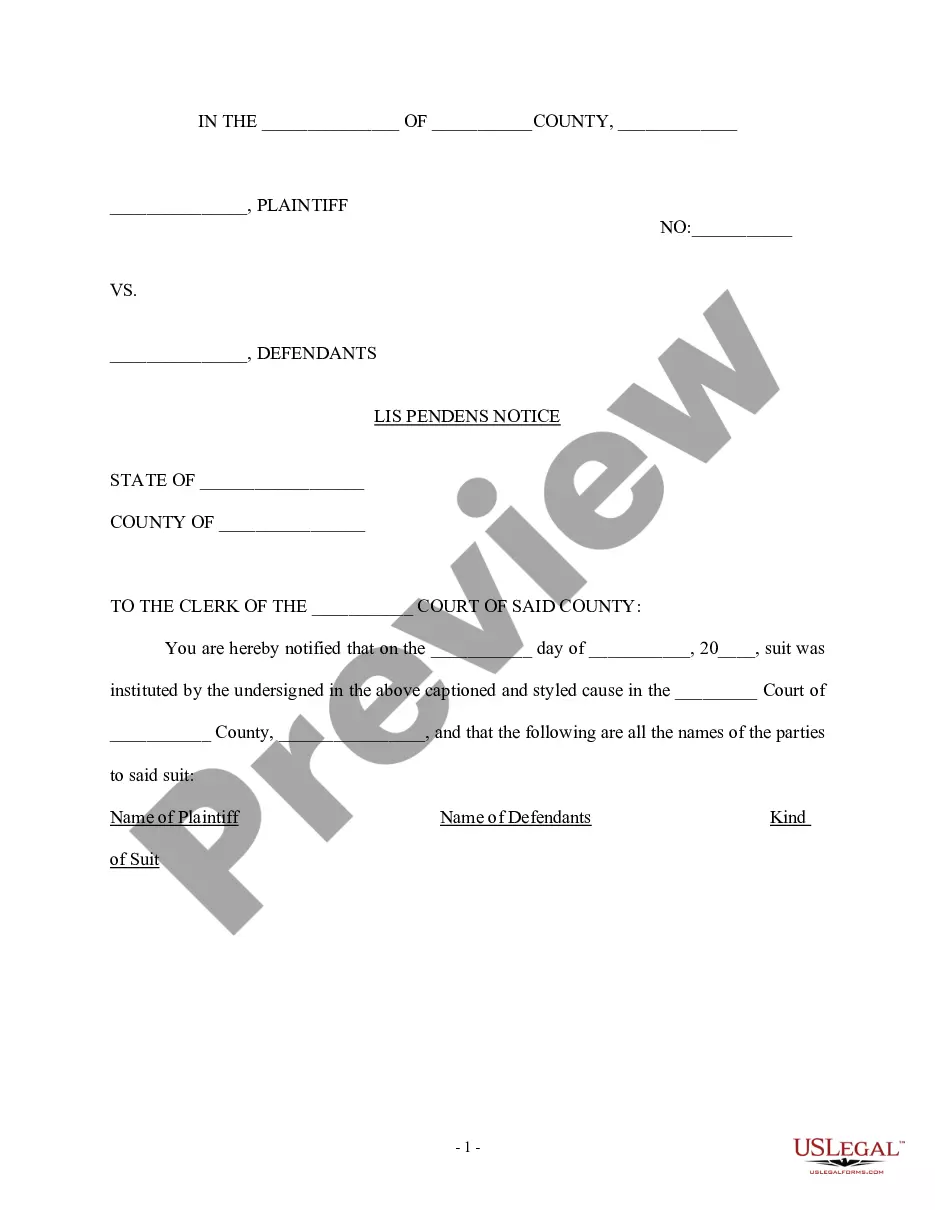
Release Of Lis Pendens Texas Form With Lien Release In Wayne
Description

Get your form ready online
Our built-in tools help you complete, sign, share, and store your documents in one place.
Make edits, fill in missing information, and update formatting in US Legal Forms—just like you would in MS Word.
Download a copy, print it, send it by email, or mail it via USPS—whatever works best for your next step.
Sign and collect signatures with our SignNow integration. Send to multiple recipients, set reminders, and more. Go Premium to unlock E-Sign.
If this form requires notarization, complete it online through a secure video call—no need to meet a notary in person or wait for an appointment.
We protect your documents and personal data by following strict security and privacy standards.

Make edits, fill in missing information, and update formatting in US Legal Forms—just like you would in MS Word.

Download a copy, print it, send it by email, or mail it via USPS—whatever works best for your next step.

Sign and collect signatures with our SignNow integration. Send to multiple recipients, set reminders, and more. Go Premium to unlock E-Sign.

If this form requires notarization, complete it online through a secure video call—no need to meet a notary in person or wait for an appointment.

We protect your documents and personal data by following strict security and privacy standards.
Looking for another form?








Form popularity
FAQ
Lien Release Form: A document filled out with the necessary information about the lien, such as the name of the lien holder, the name of the property owner, the address of the property, the date of the lien, and the amount of the lien.
The release of lien in Texas must be filed with the same county office where the original lien was recorded. This ensures that anyone searching the property records will find both the original lien and its subsequent release.
If someone has filed a Lis Pendens notice (which alerts others that there is a pending lawsuit involving a property), any party involved in the lawsuit can: Ask the court to remove the notice (e.g. Motion to Expunge). Notify all affected parties at least 20 days before the court hearing.
A lis pendens does not have a statute of limitations per se. All a lis pendens is, is a notice to the "world" (assuming it is properly recorded with the appropriate recorder's office) that there is pending litigation which could affect title of the property.
Section 12.0071 - Motion to Expunge Lis Pendens (a) A party to an action in connection with which a notice of lis pendens has been filed may: (1) apply to the court to expunge the notice; and (2) file evidence, including declarations, with the motion to expunge the notice.
Now, lien waivers no longer need to be notarized in Texas, so long as your contract originated after .
To remove or clear a Lien on Texas property, the person or entity claiming the Lien needs to sign a document releasing the Lien. The document is usually called a Release of Lien, Lien Release, or a Deed of Reconveyance.
In any proceeding to foreclose a lien or to enforce a claim against a bond issued under Subchapter H, I, or J or in any proceeding to declare that any lien or claim is invalid or unenforceable in whole or in part, the court shall award costs and reasonable attorney's fees as are equitable and just.
List of Subcontractors and Suppliers. (2) provide the owner with an updated list of subcontractors and suppliers not later than the 15th day after the date a subcontractor or supplier is added or deleted.

