Pennsylvania Lis Pendens Form With Lien In Queens
Description
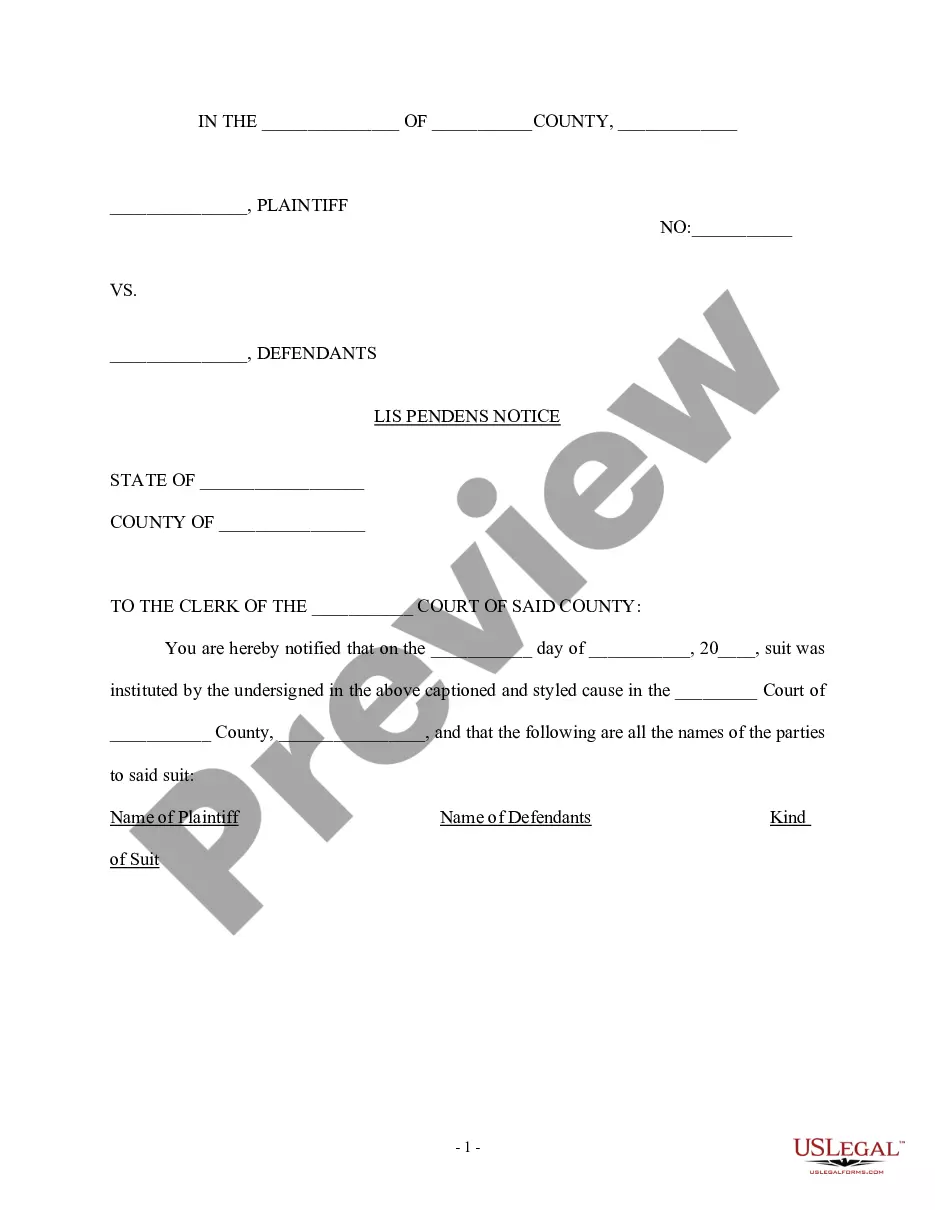

Get your form ready online
Our built-in tools help you complete, sign, share, and store your documents in one place.
Make edits, fill in missing information, and update formatting in US Legal Forms—just like you would in MS Word.
Download a copy, print it, send it by email, or mail it via USPS—whatever works best for your next step.
Sign and collect signatures with our SignNow integration. Send to multiple recipients, set reminders, and more. Go Premium to unlock E-Sign.
If this form requires notarization, complete it online through a secure video call—no need to meet a notary in person or wait for an appointment.
We protect your documents and personal data by following strict security and privacy standards.

Make edits, fill in missing information, and update formatting in US Legal Forms—just like you would in MS Word.

Download a copy, print it, send it by email, or mail it via USPS—whatever works best for your next step.

Sign and collect signatures with our SignNow integration. Send to multiple recipients, set reminders, and more. Go Premium to unlock E-Sign.

If this form requires notarization, complete it online through a secure video call—no need to meet a notary in person or wait for an appointment.

We protect your documents and personal data by following strict security and privacy standards.
Looking for another form?







Form popularity
FAQ
The lien will stay in effect for five years, but can be renewed, if the debtor does not sell the property within that time period.
To file a lis pendens, the party filing must have or show one of two things: That there is a recorded instrument, usually some mortgage or encumbrance, or perhaps something related to a construction mechanics lien—that potentially provides the filer the right to the property on or in the document.
The Lis Pendens A lis pendens is a document that is filed in the public records that alerts the world that someone is asserting claim over the property. A lis pendens is not, by itself, a legal bar to purchasing the property—someone can still legally close on property with a lis pendens filed on it.
To obtain a judgment lien, you must first record the judgment with the court of common pleas in the county where the debtor owns property. The lien will stay in effect for five years, but can be renewed, if the debtor does not sell the property within that time period.
Other than resolution of the pending lawsuit, the only way to remove a lis pendens is by expungement, which requires a court order from a circuit judge. If you refuse service or the action is otherwise delayed, the lis pendens remains intact, making it difficult to sell or otherwise transfer a property.
How Long Does a Lis Pendens Last in Pennsylvania? Under Pennsylvania law, a Lis Pendens typically remains recorded for a period of fifteen years. This duration provides adequate notice to interested parties about ongoing litigation or other legal actions involving the real property.
After the action is resolved, the attorney for the plaintiff should file a praecipe to remove the lis pendens and resulting cloud on title. Note that if a defendant believes a lis pendens has been filed improperly, it may make a motion with the court to have it stricken.
To file a notice of lien, you must complete the Public Improvement Lien Form. You must also sign and notarize both the Lien Form and the Affidavit of Service. You can submit everything to DOF by mail or in person. Learn more about the Manhattan Business Center.
In order to perfect your lien claim, it must be filed in the prothonotary's office of the county court where the property is physically located. A “prothonotary” is just an old-school term for the chief clerk of the court. If the property is located in more than one county, then the claim should be filed in both.

