Lis Pendens Release Form Withdrawal In Maryland
Description

Get your form ready online
Our built-in tools help you complete, sign, share, and store your documents in one place.
Make edits, fill in missing information, and update formatting in US Legal Forms—just like you would in MS Word.
Download a copy, print it, send it by email, or mail it via USPS—whatever works best for your next step.
Sign and collect signatures with our SignNow integration. Send to multiple recipients, set reminders, and more. Go Premium to unlock E-Sign.
If this form requires notarization, complete it online through a secure video call—no need to meet a notary in person or wait for an appointment.
We protect your documents and personal data by following strict security and privacy standards.

Make edits, fill in missing information, and update formatting in US Legal Forms—just like you would in MS Word.

Download a copy, print it, send it by email, or mail it via USPS—whatever works best for your next step.

Sign and collect signatures with our SignNow integration. Send to multiple recipients, set reminders, and more. Go Premium to unlock E-Sign.

If this form requires notarization, complete it online through a secure video call—no need to meet a notary in person or wait for an appointment.

We protect your documents and personal data by following strict security and privacy standards.
Looking for another form?







Form popularity
FAQ
A lis pendens may be removed through a motion to expunge. A motion to expunge may be granted if the underlying lawsuit or other court action does not contain a “real property claim” that has probable validity. The motion will be granted it if is “more likely than not” that the underlying lawsuit or claim will fail.
RECOVERY OF PROPERTY OR VALUE AFTER JUDGMENT--DETINUE. (a) Action. (1) A person claiming the right to possession of personal property may file an action under this Rule.
RULE 2-612. CONSENT JUDGMENT The court may enter a judgment at any time by consent of the parties.
If within 15 days from the date hereof payment of the total amount of the fines is not received, or a new trial date requested as set forth above, a warrant will be issued for your arrest, charging you with failure to appear. The maximum penalty for failure to appear is a $500.00 fine and/or 3 months in jail.
Rule 12(b)(6), permitting a motion to dismiss for failure of the complaint to state a claim on which relief can be granted, is substantially the same as the old demurrer for failure of a pleading to state a cause of action.
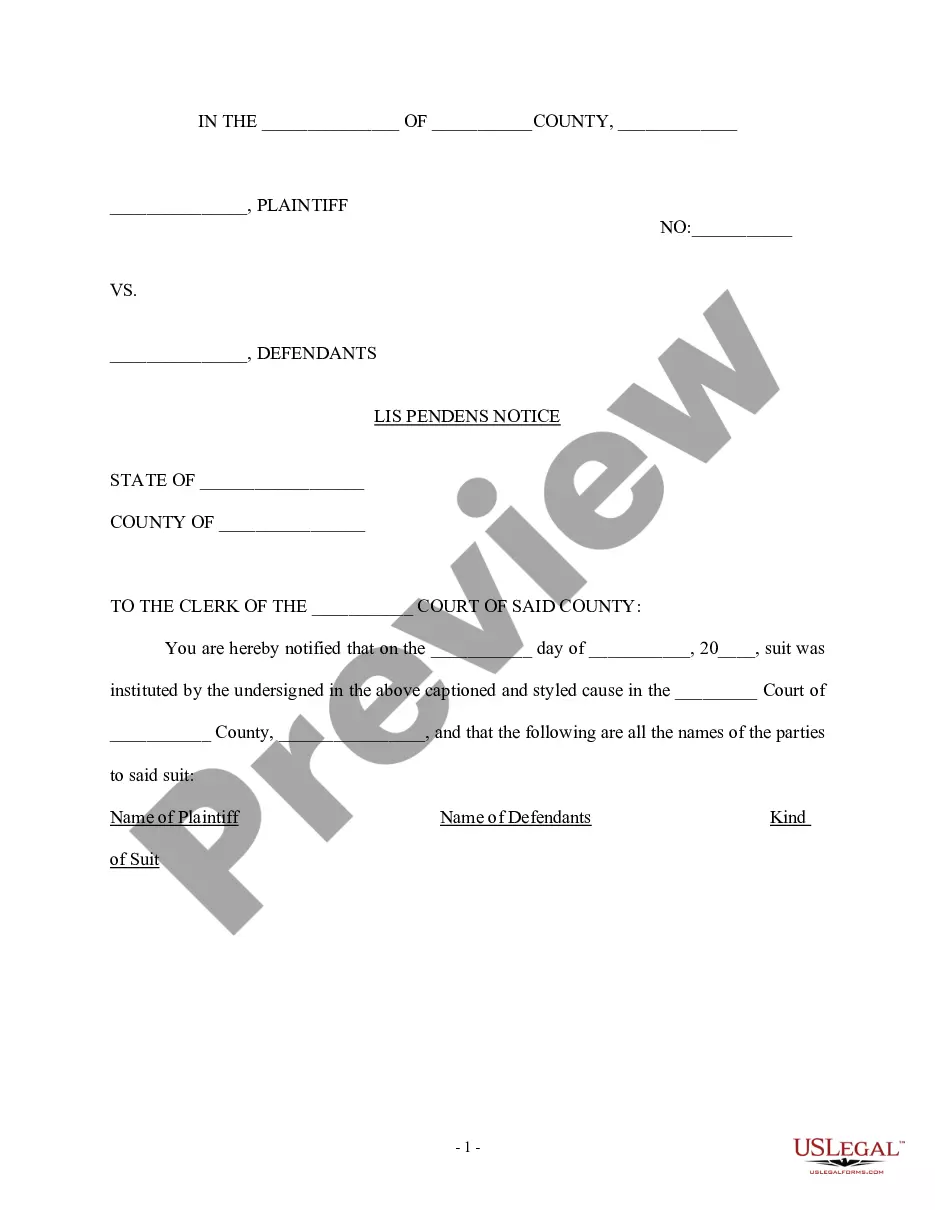
A lis pendens is a notification of a lawsuit that involves the title to the property. A "rescission" of that notice is a withdrawal of the notice, meaning it is no longer in force (the lawsuit has been settled by some means).
In an action to which the doctrine of lis pendens applies, the filing in the land records of a county in which real property that is the subject of the action is located of either (1) a certified copy of the complaint giving rise to the lis pendens or (2) a Notice of Lis Pendens, substantially in the form approved by ...
Most judicial records are in the custody of a local clerk's office. To request those records, please contact the appropriate clerk's office, which is generally where the case was filed or the hearing or trial was conducted.
Retain all original papers and exhibits for a period of twelve (12) years after entry of judgment, or until judgment expires and until all audit requirements are satisfied, then destroy.
There are two ways to look at electronic court case records: On a computer at the courthouse. On a computer, tablet, or smart phone anywhere with an internet connection, such as your home, or the public library. This is known as “remote access.”

