Form Lis Pendens Forum Non Conveniens In Florida
Description
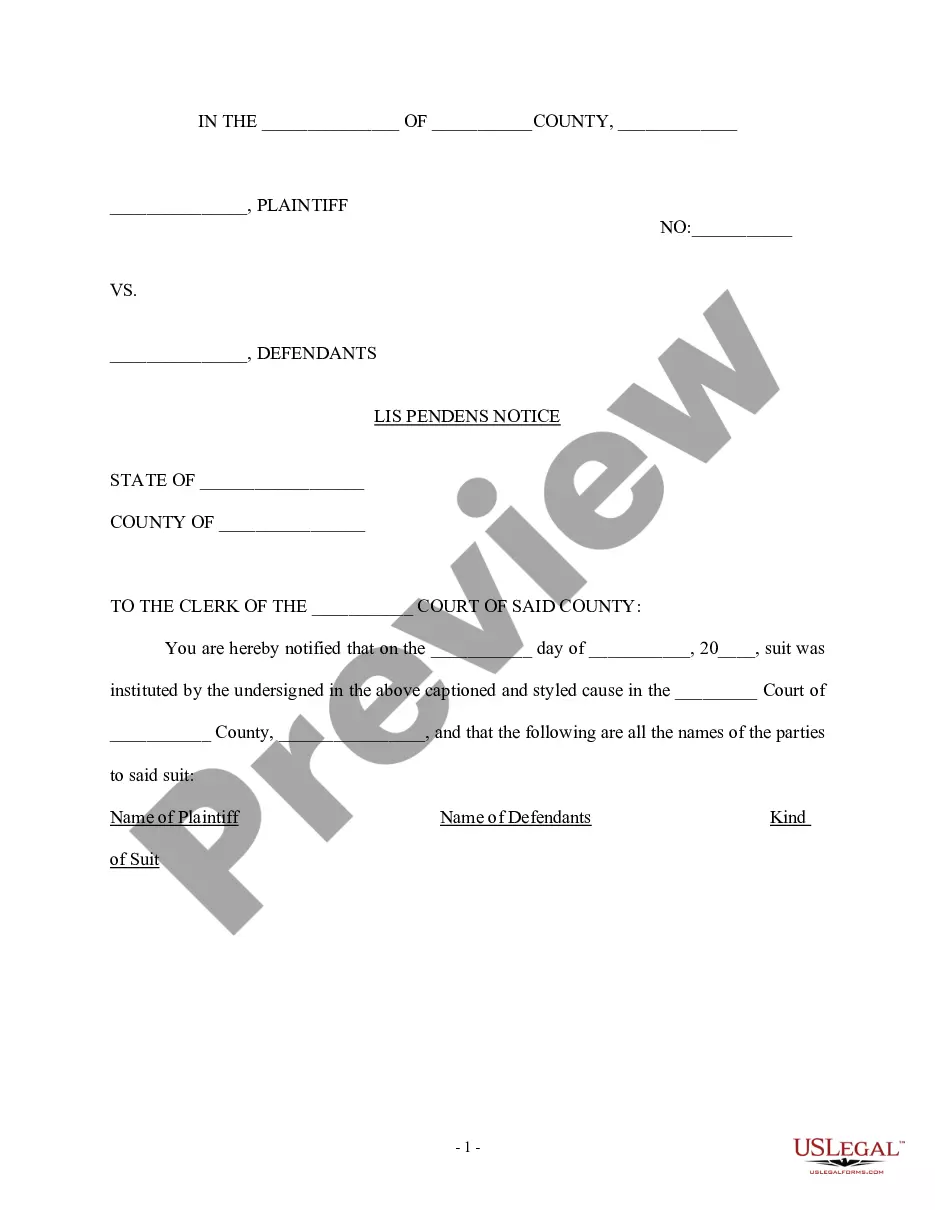

Get your form ready online
Our built-in tools help you complete, sign, share, and store your documents in one place.
Make edits, fill in missing information, and update formatting in US Legal Forms—just like you would in MS Word.
Download a copy, print it, send it by email, or mail it via USPS—whatever works best for your next step.
Sign and collect signatures with our SignNow integration. Send to multiple recipients, set reminders, and more. Go Premium to unlock E-Sign.
If this form requires notarization, complete it online through a secure video call—no need to meet a notary in person or wait for an appointment.
We protect your documents and personal data by following strict security and privacy standards.

Make edits, fill in missing information, and update formatting in US Legal Forms—just like you would in MS Word.

Download a copy, print it, send it by email, or mail it via USPS—whatever works best for your next step.

Sign and collect signatures with our SignNow integration. Send to multiple recipients, set reminders, and more. Go Premium to unlock E-Sign.

If this form requires notarization, complete it online through a secure video call—no need to meet a notary in person or wait for an appointment.

We protect your documents and personal data by following strict security and privacy standards.
Looking for another form?








Form popularity
FAQ
Rule 1.140 - DEFENSES (a) When Presented. (1) Unless a different time is prescribed in a statute of Florida, a defendant must serve an answer within 20 days after service of original process and the initial pleading on the defendant, or not later than the date fixed in a notice by publication.
When an individual continuously occupies a property for seven consecutive years, lacking any legal document to support a claim to the land's title, they may establish adverse possession by filing a return with the county appraisers within one year of entry onto the property, and paying all taxes and liens assessed ...
The titleholder can sell a property and transfer the deed to someone else while subject to a lis pendens. However, most title companies will not provide insurance for homes with a lis pendens, and closing agents may close with the lien being bonded.
(2) A notice of lis pendens is not effectual for any purpose beyond 1 year from the commencement of the action and will expire at that time, unless the relief sought is disclosed by the pending pleading to be founded on a duly recorded instrument or on a lien claimed under part I of chapter 713 against the property ...
Florida Rules of Civil Procedure Rule 1.170(j) – Counterclaim Demand Exceeding Jurisdiction. In some instances, the defendant's counterclaim is for an amount that exceeds the jurisdiction of the court that is hearing the case.
(1) Interrogatories must be served on the party to whom the interrogatories are directed and copies must be served on all other parties. (2) A certificate of service of the interrogatories must be filed, giving the date of service and the name of the party to whom they were directed.
The association, at its option, may include additional information in the estoppel certificate. (2) An estoppel certificate that is hand delivered or sent by electronic means has a 30-day effective period. An estoppel certificate that is sent by regular mail has a 35-day effective period.
The party seeking to dissolve the lis pendens must file a motion defining why the lis pendens is neither one of right nor one with a nexus to the real property. The movant will normally also ask for a bond in the event that the judge does find a nexus exists.
Rule 1.110 (General Rule on Pleadings): The amendment requires parties asserting an affirmative defense to include a short and plain statement of ultimate facts supporting the affirmative defense.
First, we amend rule 1.110(d) (Affirmative Defenses) to require a party who asserts an affirmative defense in a pleading to provide a short, plain statement of the ultimate facts that support the avoidance or affirmative defense.
