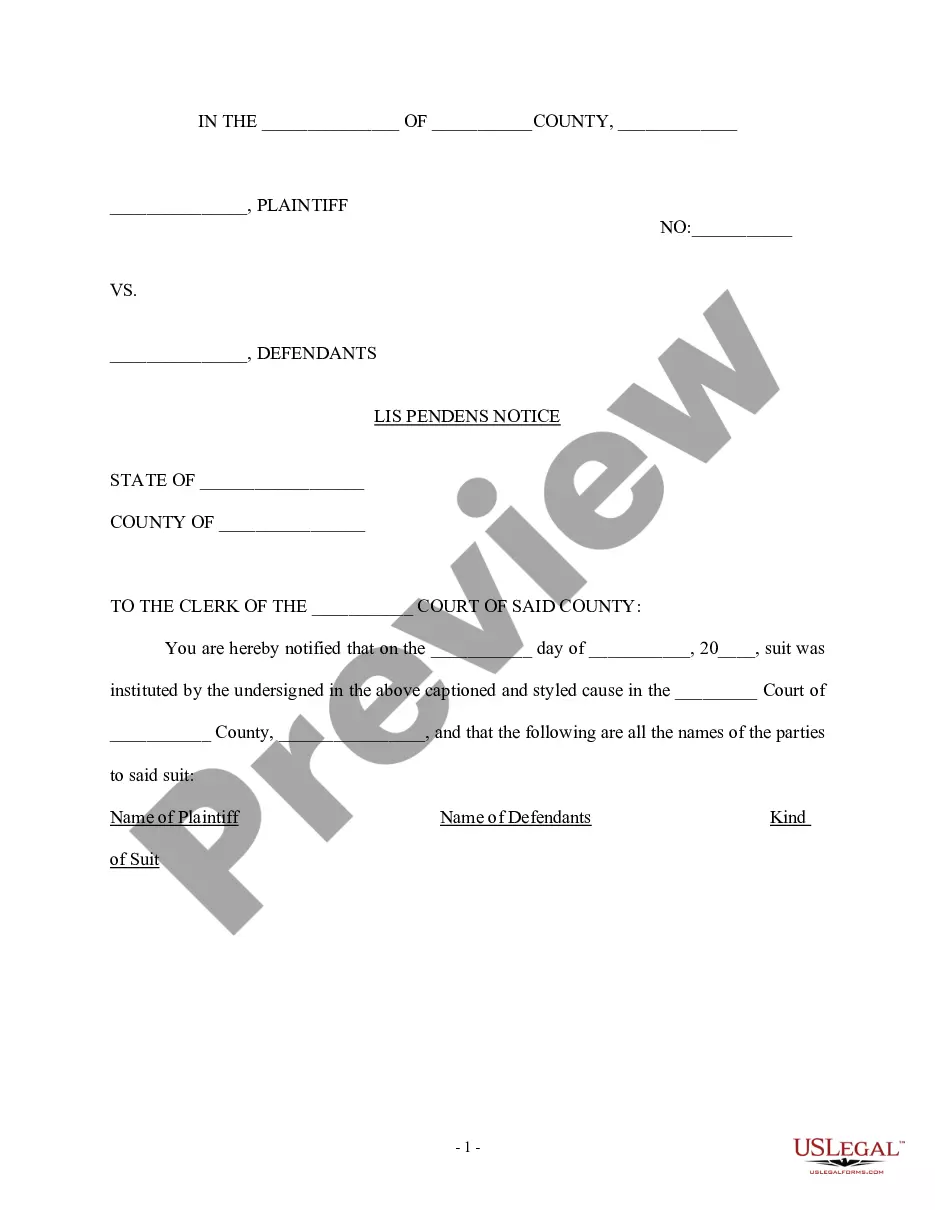
File Notice Lis Pendens Foreclosed In Cuyahoga
Description

Get your form ready online
Our built-in tools help you complete, sign, share, and store your documents in one place.
Make edits, fill in missing information, and update formatting in US Legal Forms—just like you would in MS Word.
Download a copy, print it, send it by email, or mail it via USPS—whatever works best for your next step.
Sign and collect signatures with our SignNow integration. Send to multiple recipients, set reminders, and more. Go Premium to unlock E-Sign.
If this form requires notarization, complete it online through a secure video call—no need to meet a notary in person or wait for an appointment.
We protect your documents and personal data by following strict security and privacy standards.

Make edits, fill in missing information, and update formatting in US Legal Forms—just like you would in MS Word.

Download a copy, print it, send it by email, or mail it via USPS—whatever works best for your next step.

Sign and collect signatures with our SignNow integration. Send to multiple recipients, set reminders, and more. Go Premium to unlock E-Sign.

If this form requires notarization, complete it online through a secure video call—no need to meet a notary in person or wait for an appointment.

We protect your documents and personal data by following strict security and privacy standards.
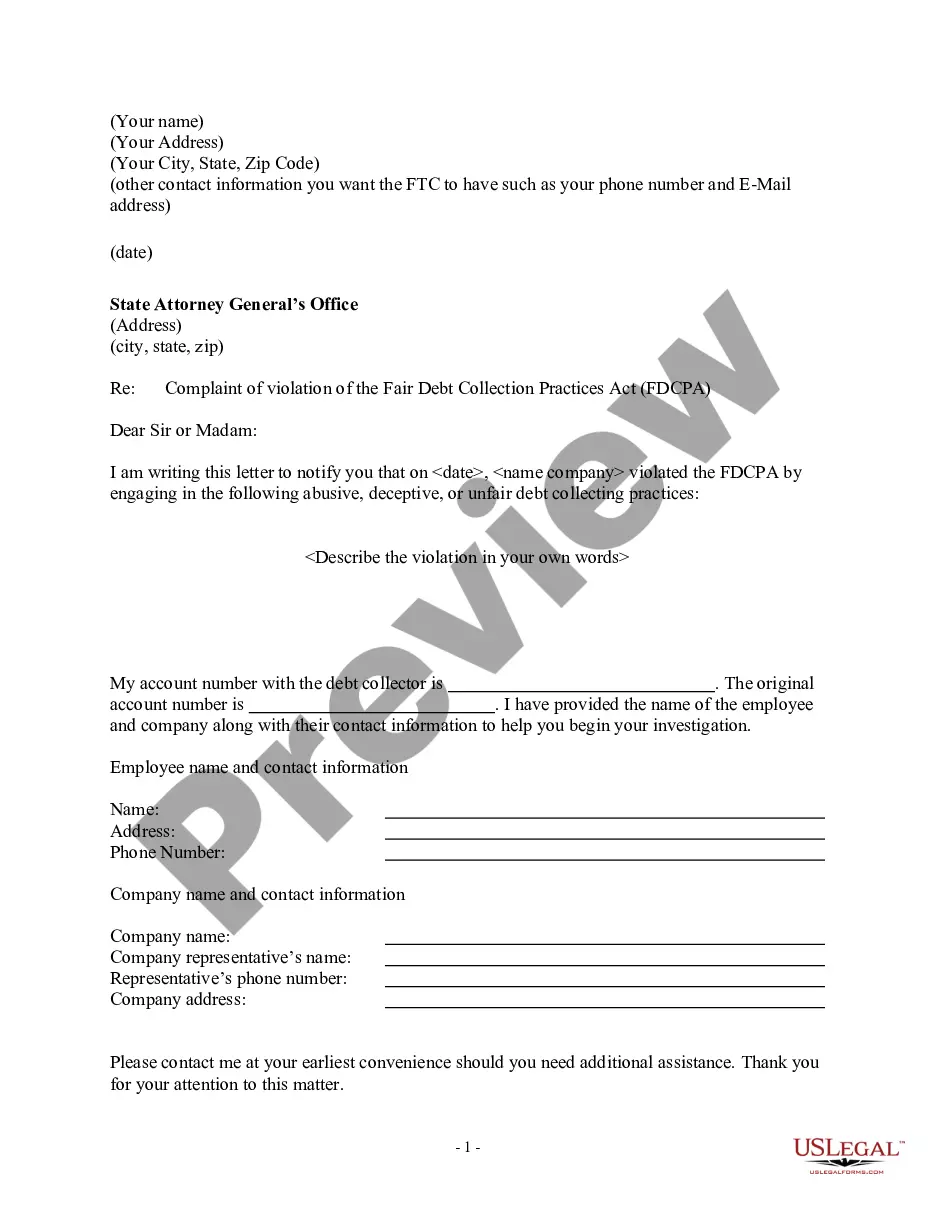
Looking for another form?








Form popularity
FAQ
Lis pendens is a formal notice that there is a pending action, or lawsuit, that could affect the title of the property. However, it serves an even bigger purpose. When a lis pendens is filed, any future transfers of the property are affected by the pending action if it were to be awarded.
Lis pendens prevents third parties who claim to have “acquired an interest” in the property, after service and during the pendency of the foreclosure action, from challenging the trial court's judgment.
11.0 HEARING AND SUBMISSION OF MOTIONS If the motion requires consideration of facts not appearing of record, the movant shall serve and file copies of all affidavits, depositions, photographs or documentary evidence which the movant desires to submit in support of the motion.
This rule sets a minimum level of disclosure that will be required in all cases, even if one or more parties have not formally requested such disclosure in written discovery.
R. 11 governs the signing of pleadings, motions and other documents. For a “willful” violation of this rule, an attorney or pro se party, upon motion of a party or upon the court's own motion, may be subjected to appropriate action, including an award to the opposing party of expenses and reasonable attorney fees.
In Ohio, the foreclosure process can take anywhere from six to 18 months or longer. How long will a foreclosure action or bankruptcy stay on my credit report? A foreclosure stays on your credit report for seven years, and a bankruptcy stays on for 10 years.
The Personnel Review Commission (PRC) was established by the Cuyahoga County Charter in 2010. The agency has a wide range of authority and responsibilities, including hearing appeals, conducting civil service testing, and administering the classification and compensation systems.
The sheriff generally allows 3-7 days for the homeowner to vacate the property before the eviction takes place. Unlike other cold-weather states, you can still be evicted in Ohio in the wintertime.
If the court grants summary judgment for the lender—or you lose at trial—the judge will enter a judgment and order your home sold at auction. Sale. The property is then appraised because, in Ohio, the home can't be sold for less than two-thirds of its appraised value at the foreclosure sale.
