Accounts Receivable Contract For Dummies In Orange
Description

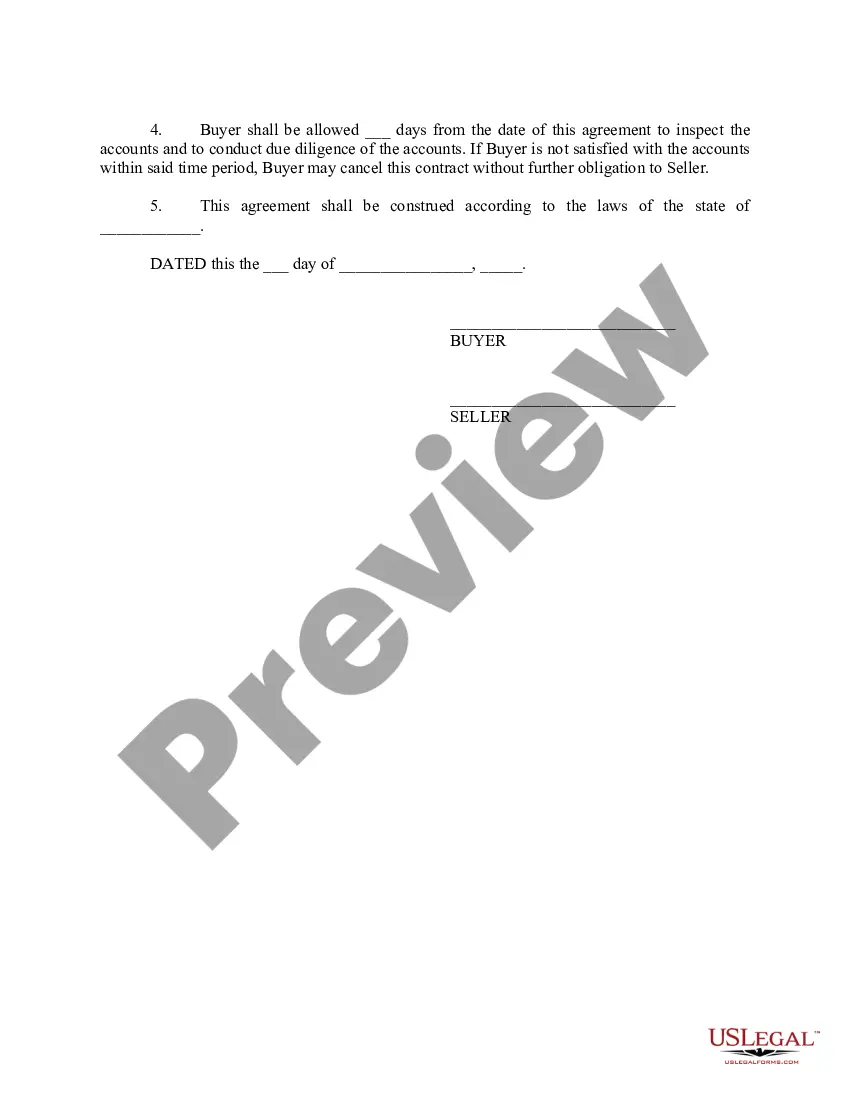

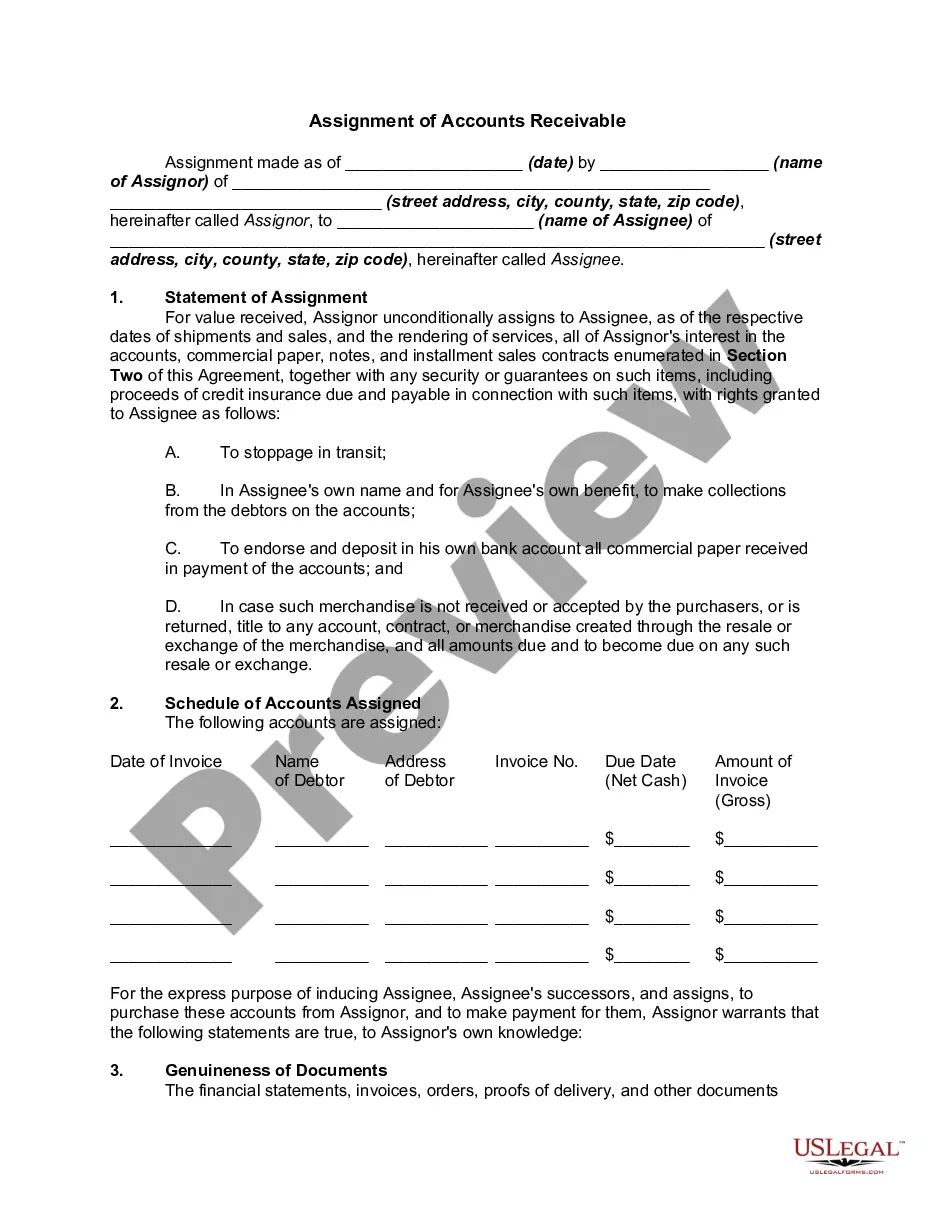
Get your form ready online
Our built-in tools help you complete, sign, share, and store your documents in one place.
Make edits, fill in missing information, and update formatting in US Legal Forms—just like you would in MS Word.
Download a copy, print it, send it by email, or mail it via USPS—whatever works best for your next step.
Sign and collect signatures with our SignNow integration. Send to multiple recipients, set reminders, and more. Go Premium to unlock E-Sign.
If this form requires notarization, complete it online through a secure video call—no need to meet a notary in person or wait for an appointment.
We protect your documents and personal data by following strict security and privacy standards.

Make edits, fill in missing information, and update formatting in US Legal Forms—just like you would in MS Word.

Download a copy, print it, send it by email, or mail it via USPS—whatever works best for your next step.

Sign and collect signatures with our SignNow integration. Send to multiple recipients, set reminders, and more. Go Premium to unlock E-Sign.

If this form requires notarization, complete it online through a secure video call—no need to meet a notary in person or wait for an appointment.

We protect your documents and personal data by following strict security and privacy standards.
Looking for another form?






Form popularity
FAQ
Accounts Receivable SOP (Sales & Invoicing) Accounts standard operating procedure helps to define the following: The credit approval process, including payment cycles. Procedure for invoices, billing, and sales (including invoicing software, digital documentation, and electronic billing & payment)
AR can be defined as a system that incorporates three basic features: a combination of real and virtual worlds, real-time interaction, and accurate 3D registration of virtual and real objects.
The 10-Step Accounts Receivable Process Develop a Credit Application Process. Create a Collection Plan. Compliance with Consumer Credit Laws. Send Out Invoices. Choose an Accounts Receivable Management System. Track the Collection Process. Log All Charges and Expenses in Real-time. Incentivize Early Payment Discounts.
The 9 steps in the accounts receivable process A customer makes an order. You approve the customer for credit. You send the invoice. You manage collections. You investigate and address any existing disputes. You write off any uncollectible debt. You process the payment. You post the payment to the corresponding invoice(s)
How to Automate Accounts Receivable Processes Step 1: Pick Your Tool. Step 2: Connect to Your Cloud Accounting Software. Step 3: Set Up the Automated Payment Reminder Cadence. Step 4: Connect Payment Gateways. Step 5: Clean the Books Before Automations Run. Step 6: Assess Collection Efforts.
Here are some of the primary duties of an accounts receivable specialist: Preparation, generation & sending of invoices. Tracking incoming payments. Communication with customers for payment resolution.
Contract AR should be entered when the revenue has been earned but not collected. This normally occurs at the time goods or services are provided and should coincide when the invoice is sent. Postponing the recording of contract AR until the payment is received is not encouraged.
The key difference between Contract asset and Account receivable is its conditionality i.e. Contract Asset is recognized in the Financial Statements when the right to receive the payment is conditional upon something other than just passage of time (having conditional right to receive payment).
Contract Receivables means, with respect to a Contract, all amounts due and payable or to become due and payable under such Contract, together with all rights to receive such amounts under such Contract.
