Accounts Receivable Contract With Customer Service
Description

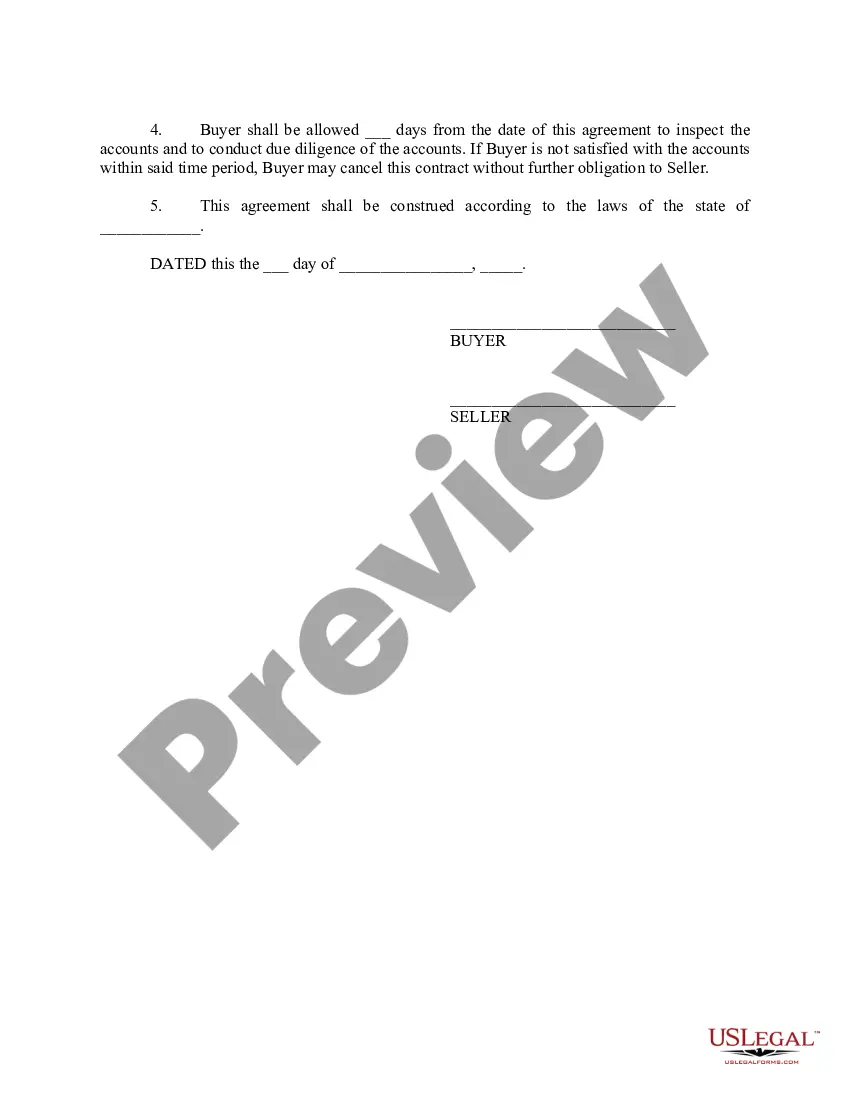

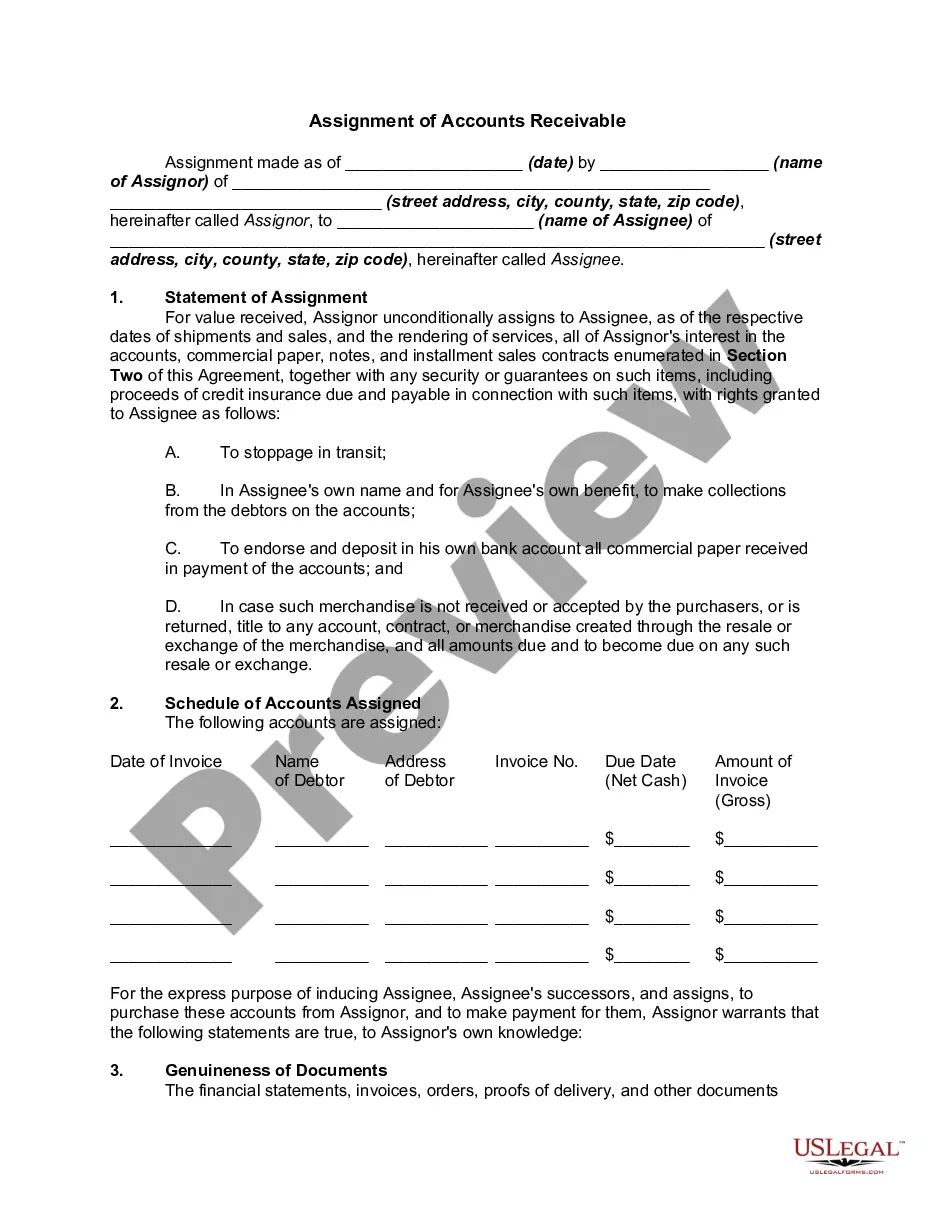
Get your form ready online
Our built-in tools help you complete, sign, share, and store your documents in one place.
Make edits, fill in missing information, and update formatting in US Legal Forms—just like you would in MS Word.
Download a copy, print it, send it by email, or mail it via USPS—whatever works best for your next step.
Sign and collect signatures with our SignNow integration. Send to multiple recipients, set reminders, and more. Go Premium to unlock E-Sign.
If this form requires notarization, complete it online through a secure video call—no need to meet a notary in person or wait for an appointment.
We protect your documents and personal data by following strict security and privacy standards.

Make edits, fill in missing information, and update formatting in US Legal Forms—just like you would in MS Word.

Download a copy, print it, send it by email, or mail it via USPS—whatever works best for your next step.

Sign and collect signatures with our SignNow integration. Send to multiple recipients, set reminders, and more. Go Premium to unlock E-Sign.

If this form requires notarization, complete it online through a secure video call—no need to meet a notary in person or wait for an appointment.

We protect your documents and personal data by following strict security and privacy standards.
Looking for another form?

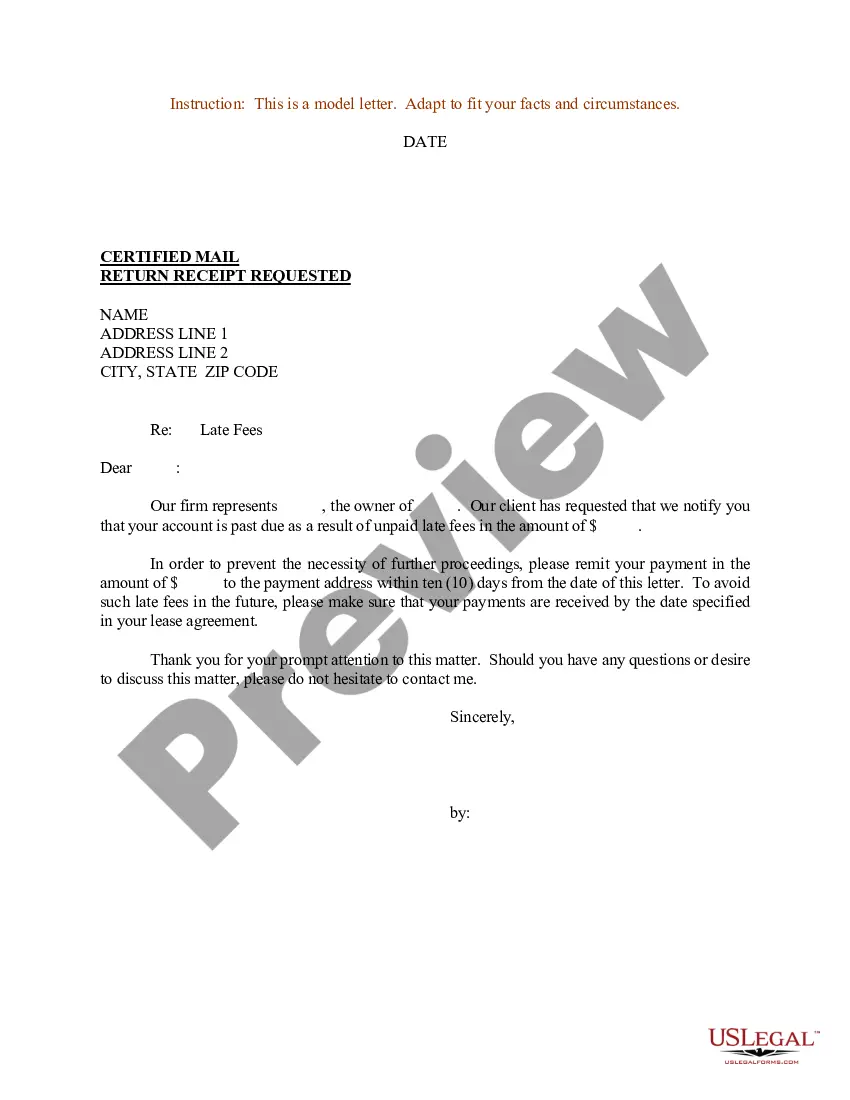






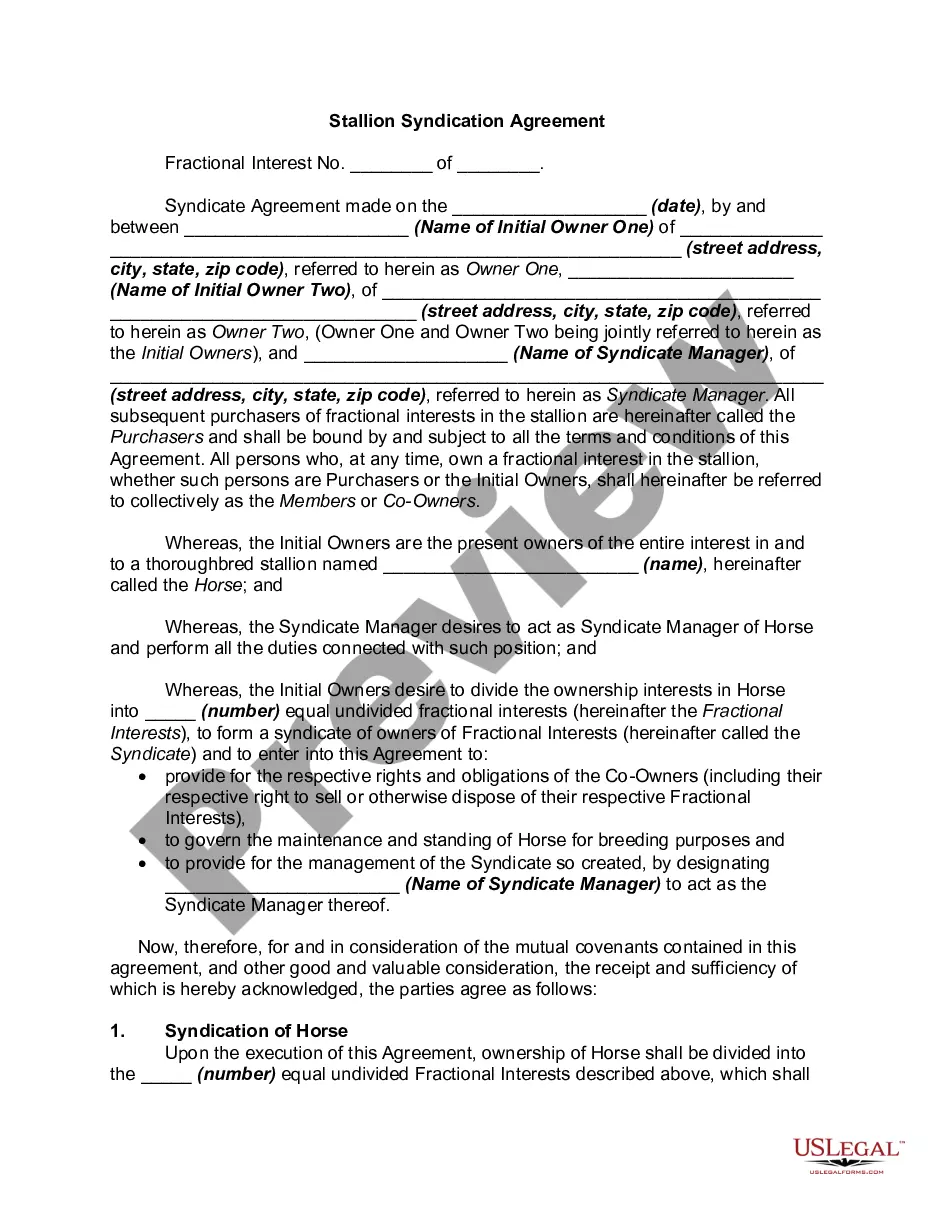

How to fill out Accounts Receivable - Contract To Sale?
The Accounts Receivable Agreement With Customer Support you observe on this page is a reusable legal template crafted by qualified attorneys in accordance with federal and local laws and regulations.
For over 25 years, US Legal Forms has offered individuals, businesses, and lawyers more than 85,000 verified, state-specific documents for any commercial and personal purpose. It’s the fastest, easiest, and most trustworthy method to acquire the documents you require, as the service ensures the highest level of data security and malware protection.
Register for US Legal Forms to have validated legal templates for all life's events at your fingertips.
- Search for the document you require and verify it.
- Browse the searched file and preview it or assess the form description to ensure it meets your needs. If it doesn’t, use the search tool to locate the right one. Click Buy Now when you have found the template you desire.
- Register and Log In.
- Choose the pricing plan that best fits you and create an account. Use PayPal or a credit card to make a swift payment. If you already possess an account, Log In and verify your subscription to proceed.
- Obtain the fillable template.
- Select the format you want for your Accounts Receivable Agreement With Customer Support (PDF, DOCX, RTF) and download the example onto your device.
- Fill out and sign the documents.
- Print the template to fill it out by hand. Alternatively, use an online multifunctional PDF editor to quickly and accurately complete and sign your form with a legally-binding electronic signature.
- Re-download your documents.
- Reuse the same document whenever necessary. Access the My documents tab in your profile to redownload any forms you have previously acquired.
Form popularity
FAQ
An accounts receivable contract outlines the terms and conditions regarding the payments owed by customers to a business. This contract serves as a legal agreement that protects both parties by specifying payment schedules, interest rates, and consequences for late payments. Utilizing an accounts receivable contract with customer service allows businesses to clarify expectations and foster trust with their clients. You can create comprehensive contracts easily through platforms like US Legal Forms, ensuring compliance and peace of mind.
Typically, a healthy accounts receivable aging report indicates that no more than 15% of your accounts receivable should be over 90 days old. If a significant portion exceeds this threshold, it may signal issues with collections or customer payment behavior. Implementing an effective accounts receivable contract with customer service can help address these concerns by improving follow-up processes and enhancing communication with customers.
Generally Accepted Accounting Principles (GAAP) provide guidelines for how companies should recognize and report accounts receivable. These rules require businesses to record accounts receivable at their net realizable value, which reflects the amount you expect to collect. Understanding these GAAP rules is essential when drafting an accounts receivable contract with customer service, as it ensures compliance and transparency in your financial reporting.
The 80/20 rule, also known as the Pareto Principle, suggests that 80% of your revenue typically comes from 20% of your customers. In accounts receivable, this means that a small fraction of your clients may owe a significant portion of your outstanding invoices. By focusing on these key accounts and establishing an effective accounts receivable contract with customer service, you can enhance collections and improve overall financial health.
The 5 Cs of credit refer to character, capacity, capital, collateral, and conditions, which are essential for assessing the creditworthiness of customers. Understanding these factors allows businesses to create tailored accounts receivable contracts with customer service that mitigate risk. By evaluating these Cs, you can make informed decisions about extending credit and managing customer relationships.
The 10 rule for accounts receivable suggests that 10% of customers are likely to generate 90% of a company’s revenue. This principle highlights the importance of focusing on high-value customers in your accounts receivable management strategy. By prioritizing these relationships, you can create more effective accounts receivable contracts with customer service that enhance customer satisfaction and loyalty.
The 5 Cs of credit include character, capacity, capital, collateral, and conditions. Among these, capacity and character often hold the most weight in determining the likelihood of timely payments. By assessing these factors, businesses can establish effective accounts receivable contracts with customer service that foster trust and reliability.
The accounts receivable process typically begins with generating an invoice after delivering goods or services. Next, businesses send reminders to customers regarding outstanding payments. Following this, collection efforts are made if payments are delayed, ensuring customer service stays engaged throughout the process. Finally, once payment is received, it is recorded to update the financial records accurately.