Commercial Lease With Personal Guarantee In Clark
Description

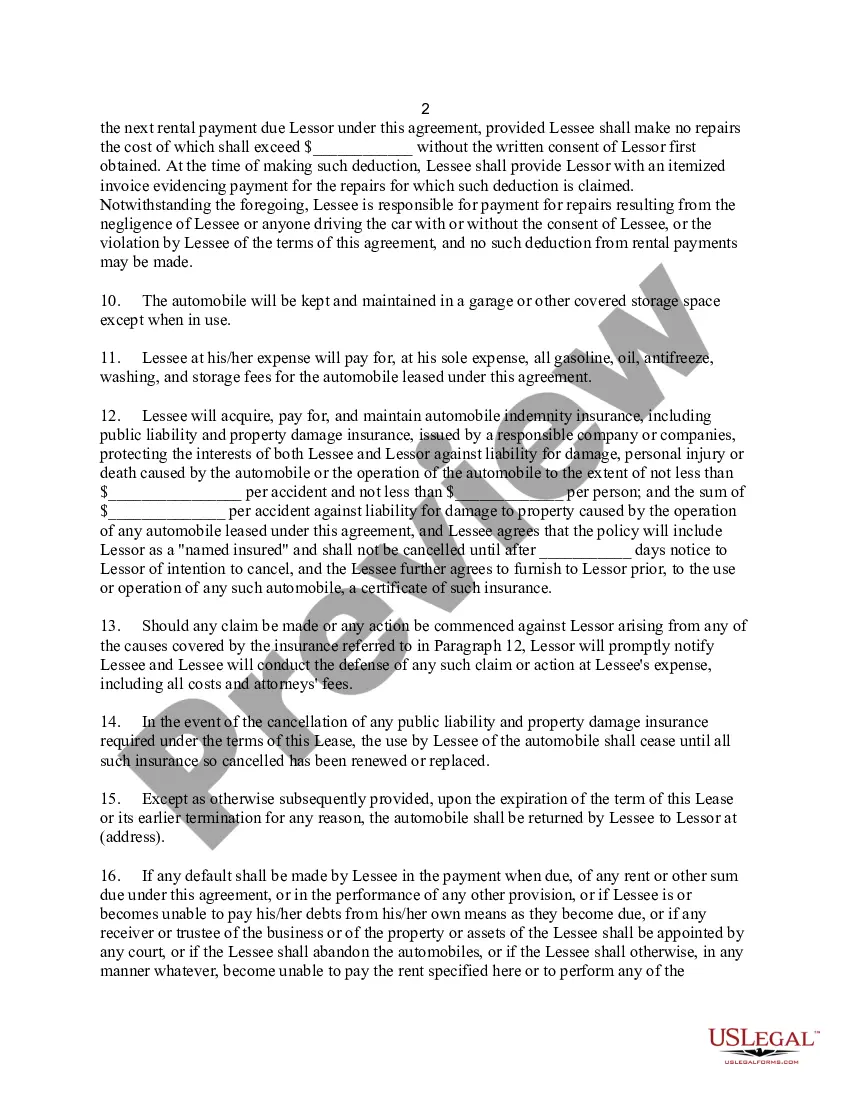
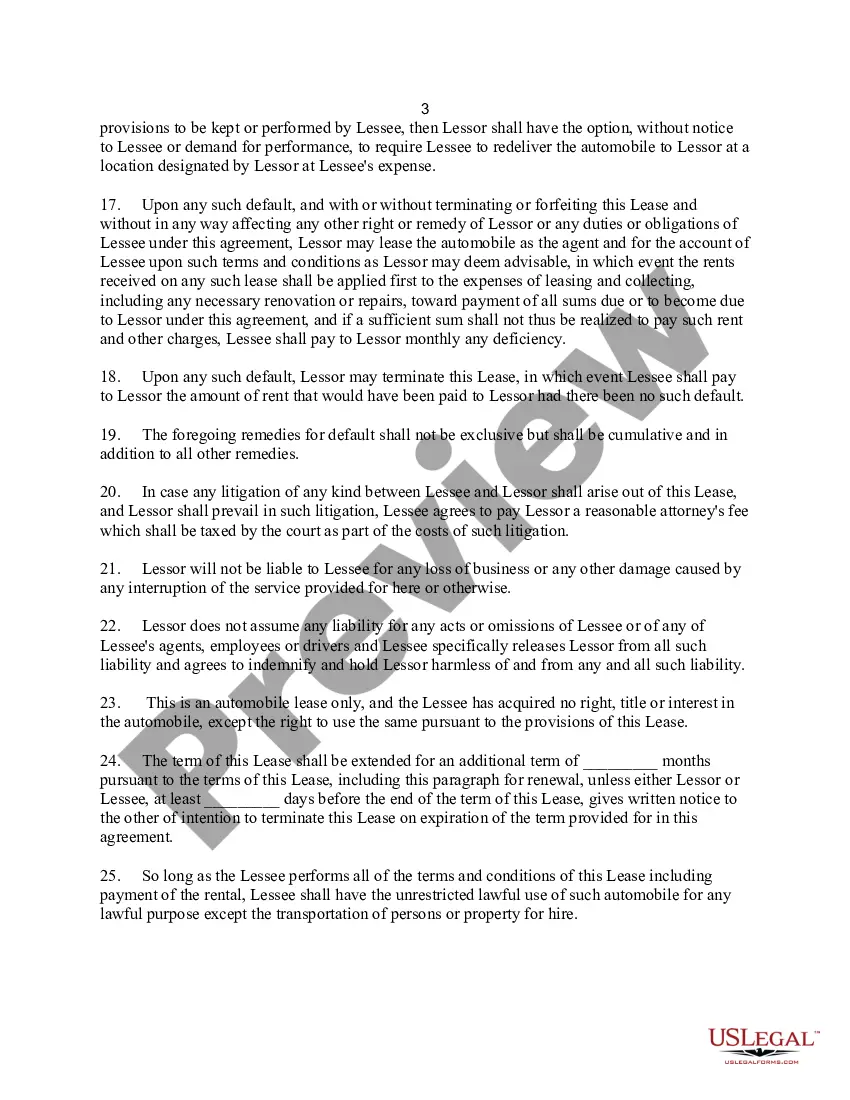
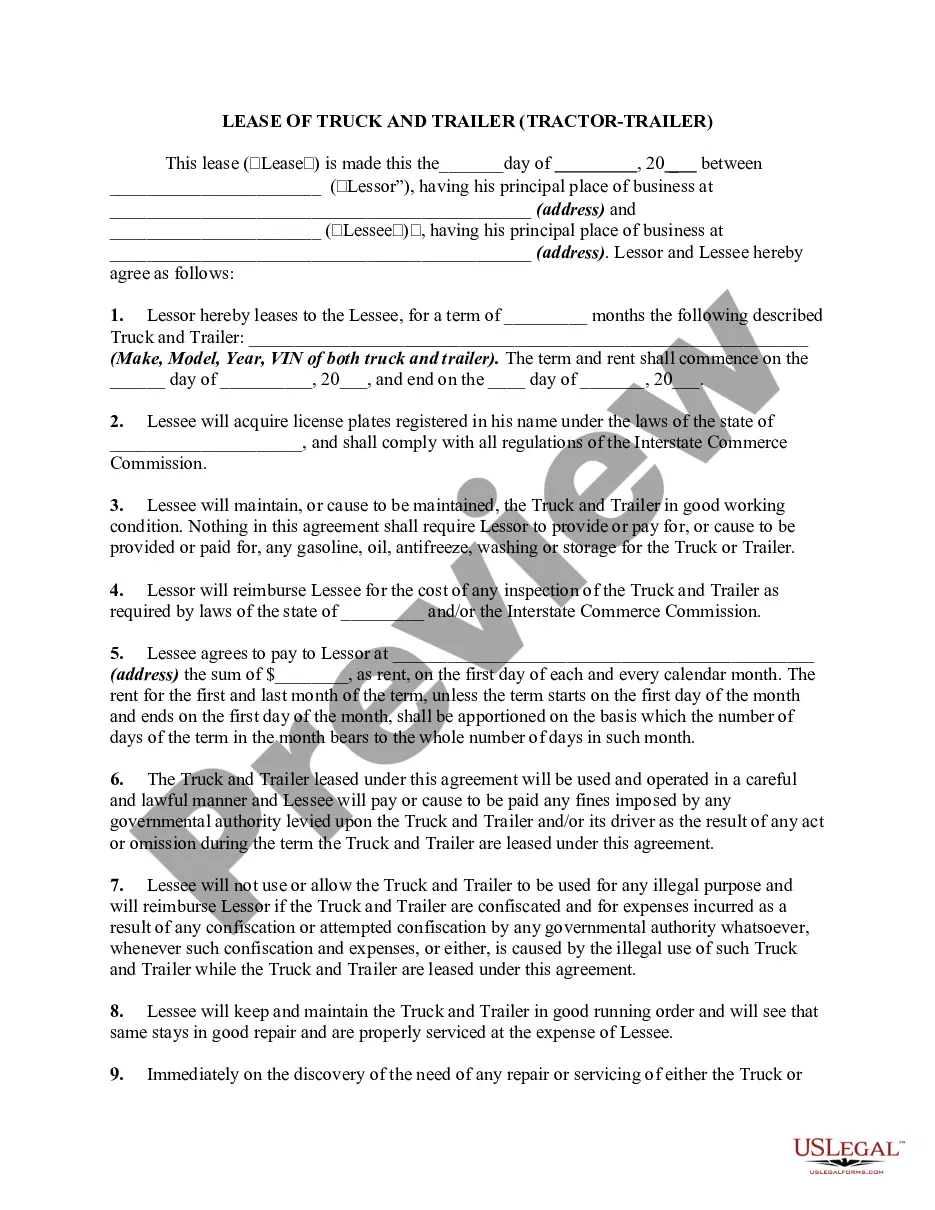
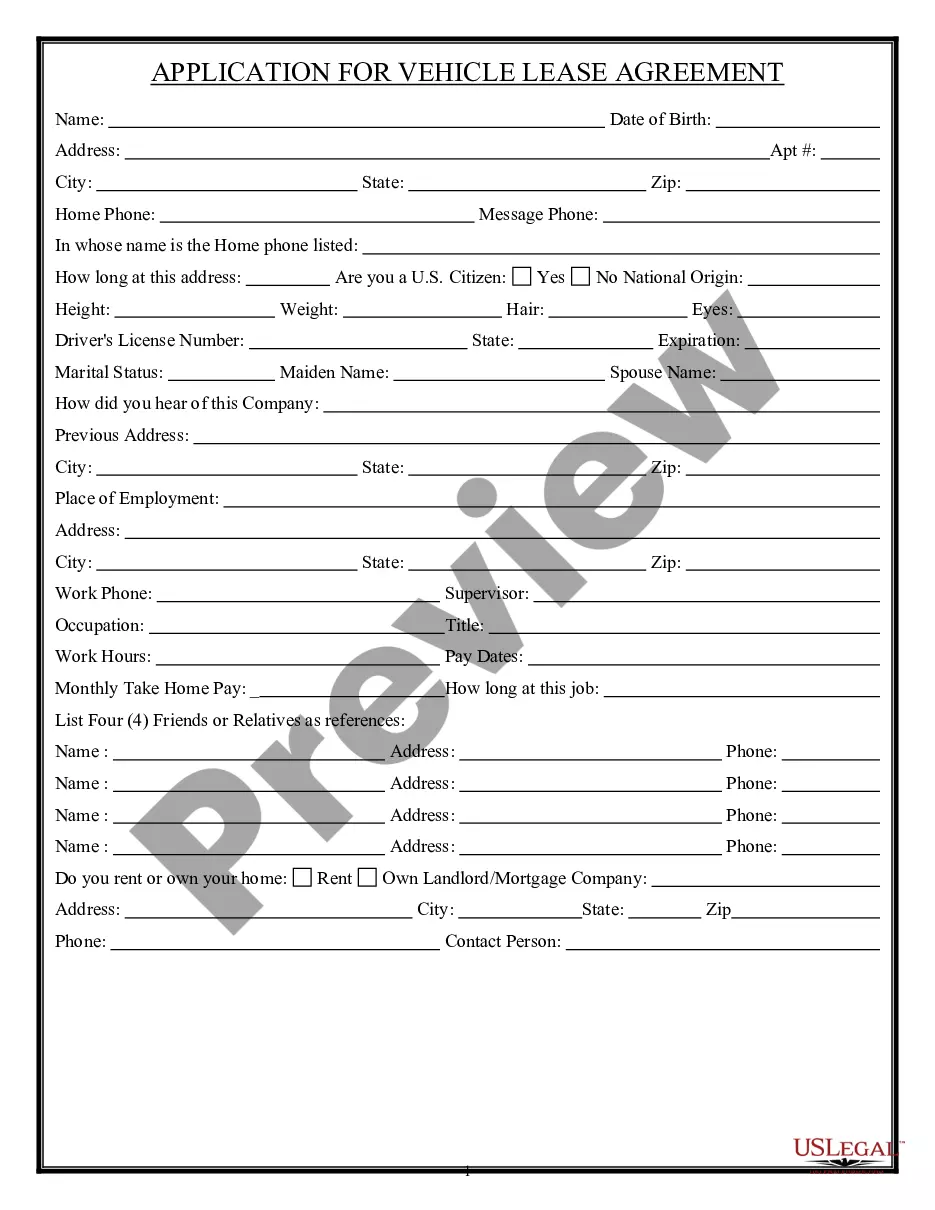
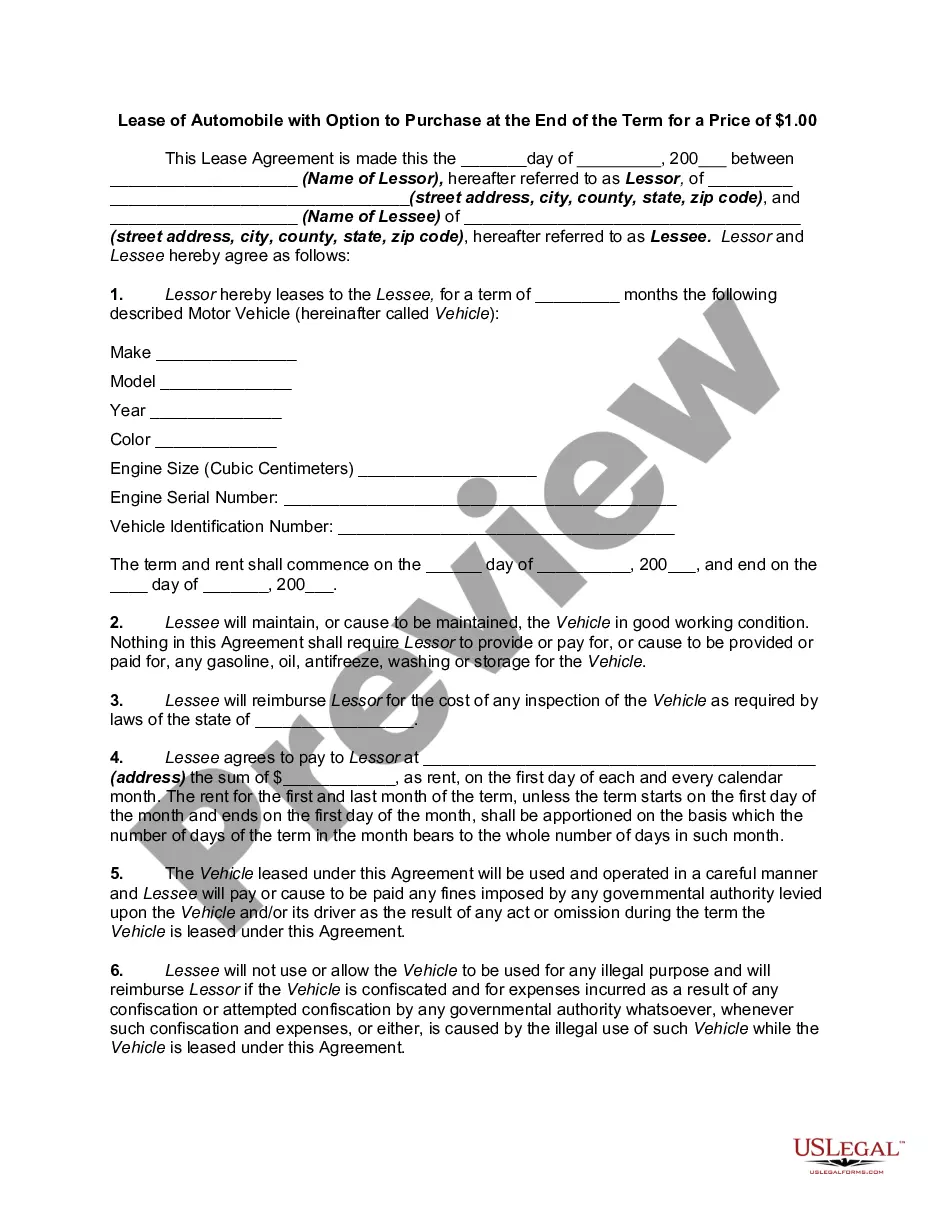
Get your form ready online
Our built-in tools help you complete, sign, share, and store your documents in one place.
Make edits, fill in missing information, and update formatting in US Legal Forms—just like you would in MS Word.
Download a copy, print it, send it by email, or mail it via USPS—whatever works best for your next step.
Sign and collect signatures with our SignNow integration. Send to multiple recipients, set reminders, and more. Go Premium to unlock E-Sign.
If this form requires notarization, complete it online through a secure video call—no need to meet a notary in person or wait for an appointment.
We protect your documents and personal data by following strict security and privacy standards.

Make edits, fill in missing information, and update formatting in US Legal Forms—just like you would in MS Word.

Download a copy, print it, send it by email, or mail it via USPS—whatever works best for your next step.

Sign and collect signatures with our SignNow integration. Send to multiple recipients, set reminders, and more. Go Premium to unlock E-Sign.

If this form requires notarization, complete it online through a secure video call—no need to meet a notary in person or wait for an appointment.

We protect your documents and personal data by following strict security and privacy standards.
Looking for another form?

Form popularity
FAQ
You may be able to negotiate your own exit terms by offering the landlord a deal. There is no guarantee that it will be accepted, however, and it might be a costly process. This involves finding a new tenant to take over your lease. The landlord will want to impose restrictions and make sure of their suitability.
There are two types of guarantee, which are generally referred to as see-to-it guarantees or pure guarantees and conditional payment guarantees.
This is a generic form of guarantee for use when a company (typically, the corporate parent) is asked to support the obligations of a party (obligor) under a commercial agreement. This Standard Document has integrated notes with important explanations and drafting and negotiating tips.
Can a Commercial Lease Be Terminated Early? Your business is expanding and needs more space. You need less space due to downsizing. The landlord is failing to meet expectations. You're consolidating your portfolio through a merger or acquisition.
In many cases, a business owner can file a consumer bankruptcy to discharge (wipe out) the personal guarantee. For clarity, a "consumer bankruptcy" means the business owner must file bankruptcy personally, not put the business in bankruptcy, to erase the personal guarantee.
The difference between corporate and personal guarantees is quite simple. A personal guarantee is when an individual agrees to take on the obligations of a debt for a debtor, whereas a corporate guarantee is when a guarantor is a corporation that takes on payment responsibilities.
How to get out of a personal guarantee on a commercial lease Subleasing the space to another tenant. Assigning the lease to another party. Use a break clause. Renegotiate the lease contract. Have a personal guarantee insurance. Breaking the lease.
Many commercial landlords require that a guarantor secure the obligations and liabilities of a tenant as a prerequisite for entering into a lease.
Most commercial landlords today require that tenants sign personal guarantees, so it is likely that you did and would then be personally liable.
Limited Scope of Liability: A validity guarantee is narrower in scope compared to a full personal guarantee. The guarantor is not assuming liability for the entire debt or obligation, but rather for specific representations or actions.
