Capital Stock Definition In Virginia
Description

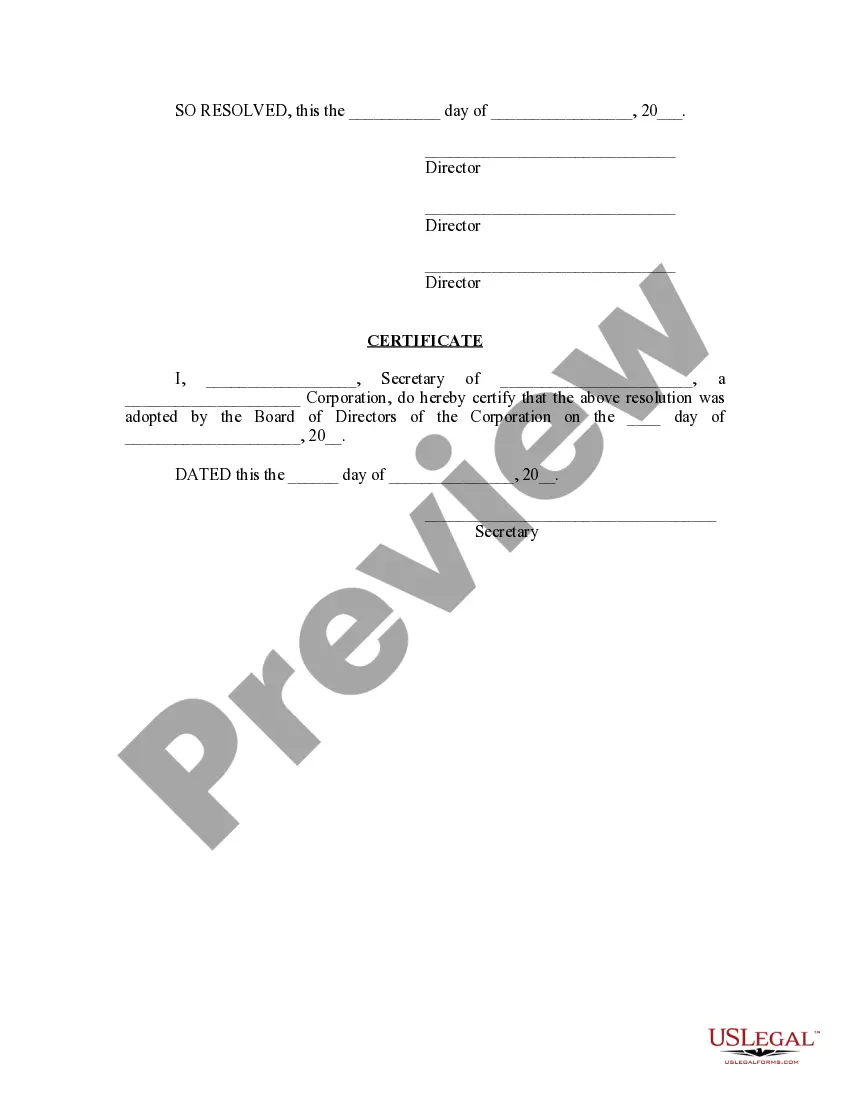


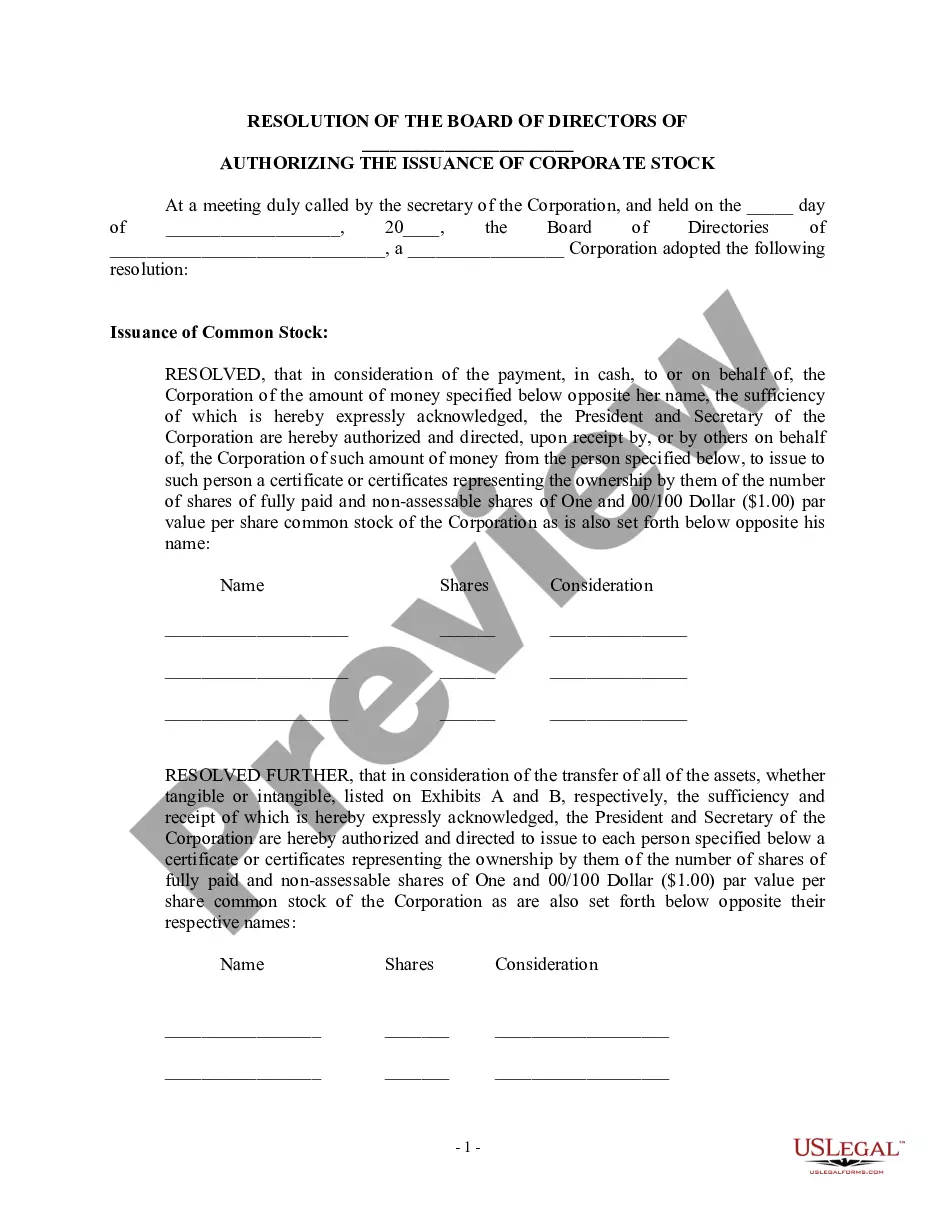
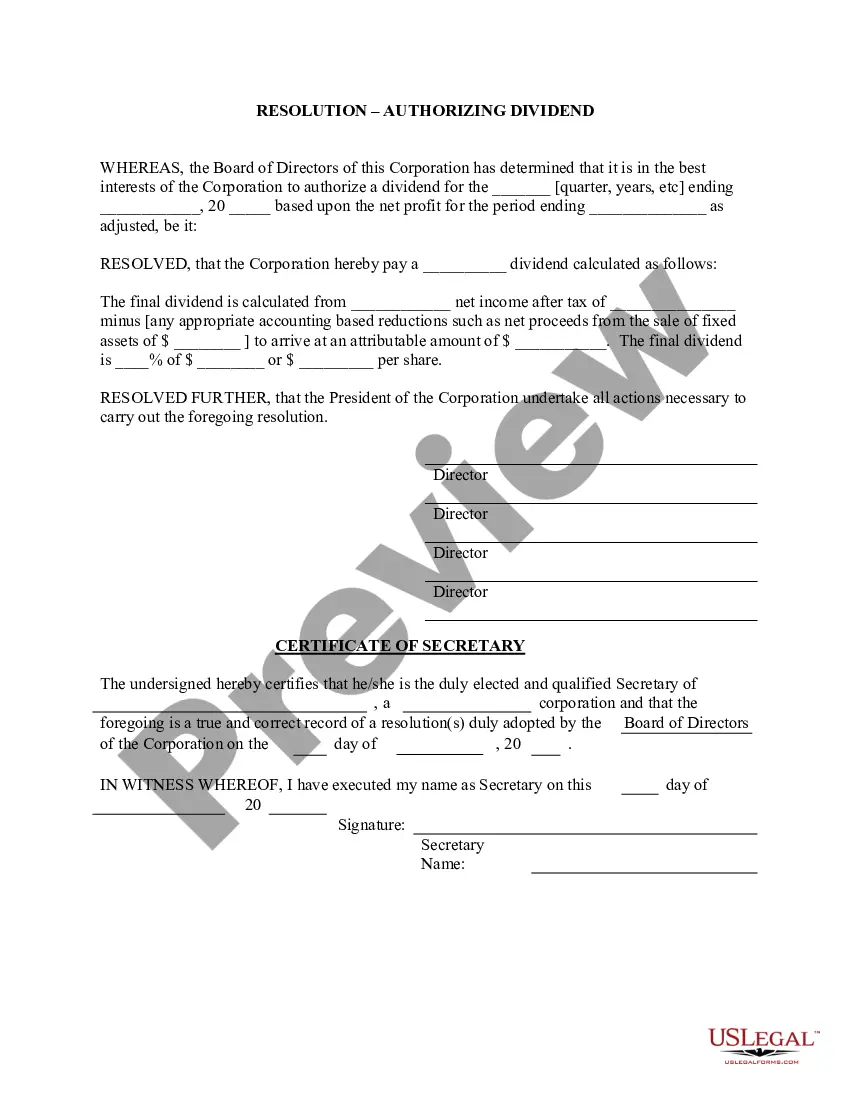
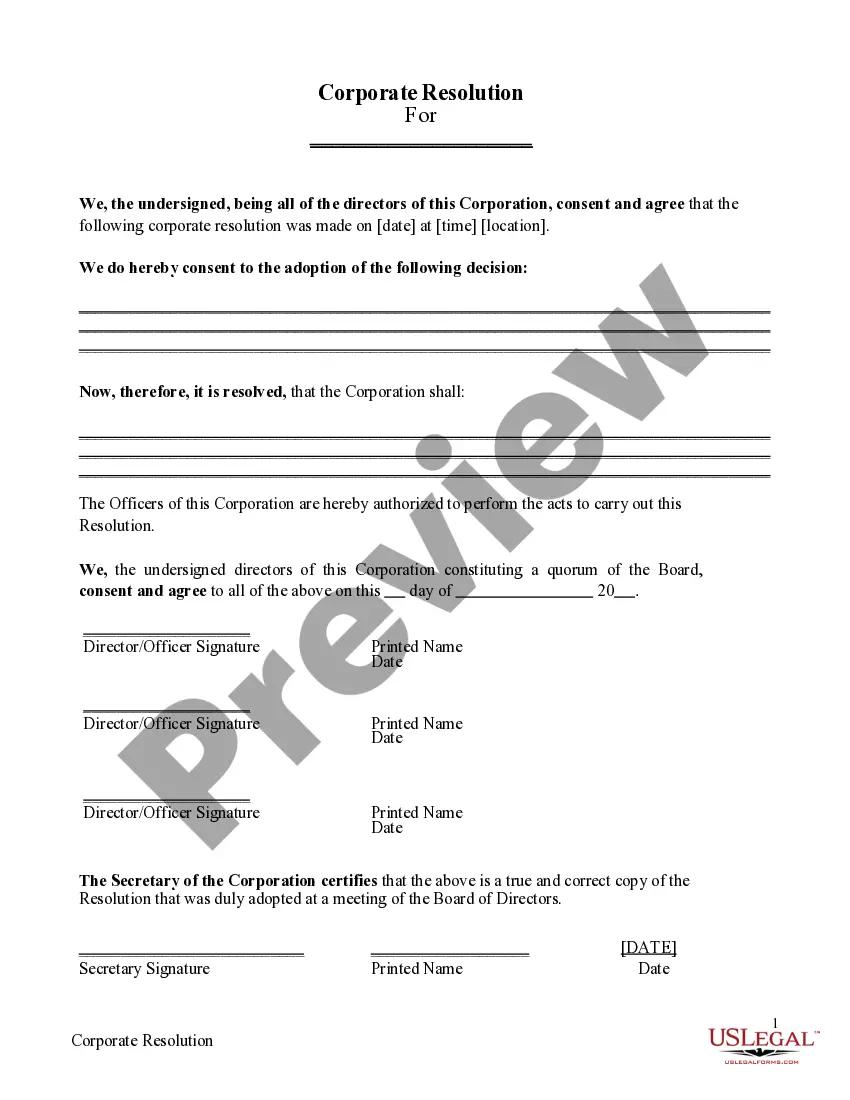
Get your form ready online
Our built-in tools help you complete, sign, share, and store your documents in one place.
Make edits, fill in missing information, and update formatting in US Legal Forms—just like you would in MS Word.
Download a copy, print it, send it by email, or mail it via USPS—whatever works best for your next step.
Sign and collect signatures with our SignNow integration. Send to multiple recipients, set reminders, and more. Go Premium to unlock E-Sign.
If this form requires notarization, complete it online through a secure video call—no need to meet a notary in person or wait for an appointment.
We protect your documents and personal data by following strict security and privacy standards.

Make edits, fill in missing information, and update formatting in US Legal Forms—just like you would in MS Word.

Download a copy, print it, send it by email, or mail it via USPS—whatever works best for your next step.

Sign and collect signatures with our SignNow integration. Send to multiple recipients, set reminders, and more. Go Premium to unlock E-Sign.

If this form requires notarization, complete it online through a secure video call—no need to meet a notary in person or wait for an appointment.

We protect your documents and personal data by following strict security and privacy standards.
Looking for another form?







Form popularity
FAQ
Each corporation other than a public service company, a banking corporation, an insurance corporation, a savings institution, or a credit union shall have power to enter into partnership agreements, joint ventures, or other associations of any kind with any person or persons.
Capital stock, also known as authorized stock, refers to all common stock and preferred stock a corporation is legally allowed to issue. A corporation's charter establishes the amount of shares the corporation may issue, and the board of directors can either issue the maximum amount or retain a portion of the shares.
They are “authorized” because they fall within the maximum number of shares a company can sell ing to its corporate charter. They are “issued” because they have been sold. They are “outstanding” because they have been sold to the public (not to the owners or managers of the company).
Stock certificates are documents that indicate the holder has a financial stake in a corporation or business. For this reason, it is essential to have your documentation printed by experts who understand the importance of providing a top quality product.
There are two main types of capital stock: Common stock: Common stock gives shareholders more votes over a company's business decisions. Preferred stock: Preferred stock acts like a bond, with reliable dividends.
The difference between authorised and issued share capital is useful for investors to understand. Authorised share capital is the maximum number of shares a company is permitted to issue at any given time, while issued share capital is the actual number of shares that a company has issued.
Domestication. A. A foreign limited liability company may become a domestic limited liability company if the laws of the jurisdiction in which the foreign limited liability company is organized authorize it to domesticate in another jurisdiction.
There are two types of corporations in Virginia, stock corporations, which are authorized to issue shares to persons who become shareholders, the owners of the corporation, and nonstock corporations, which may have members, but not owners. Stock corporations are usually formed to generate a profit for the shareholders.
If any person shall conspire, confederate or combine with another or others in the Commonwealth to go upon or remain upon the lands, buildings or premises of another, or any part, portion or area thereof, having knowledge that any of them have been forbidden, either orally or in writing, to do so by the owner, lessee, ...
