Capital Format Resolution For Society In Nassau
Description

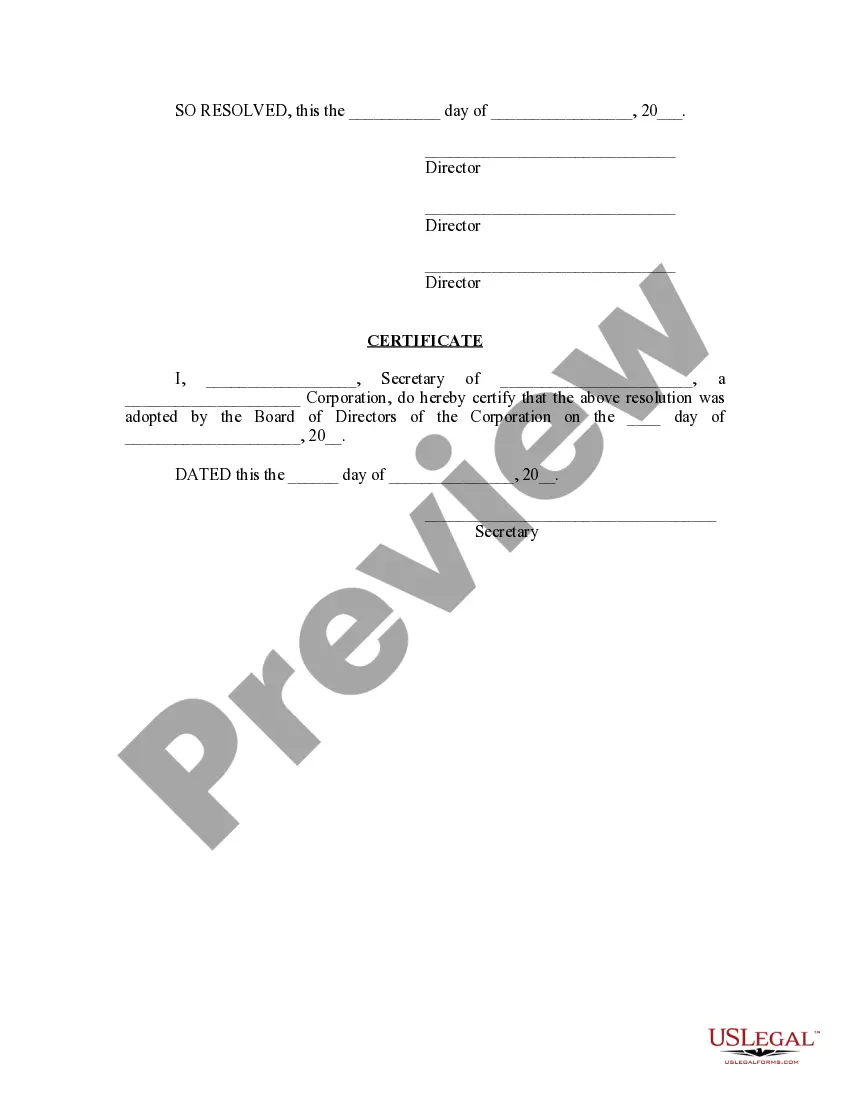


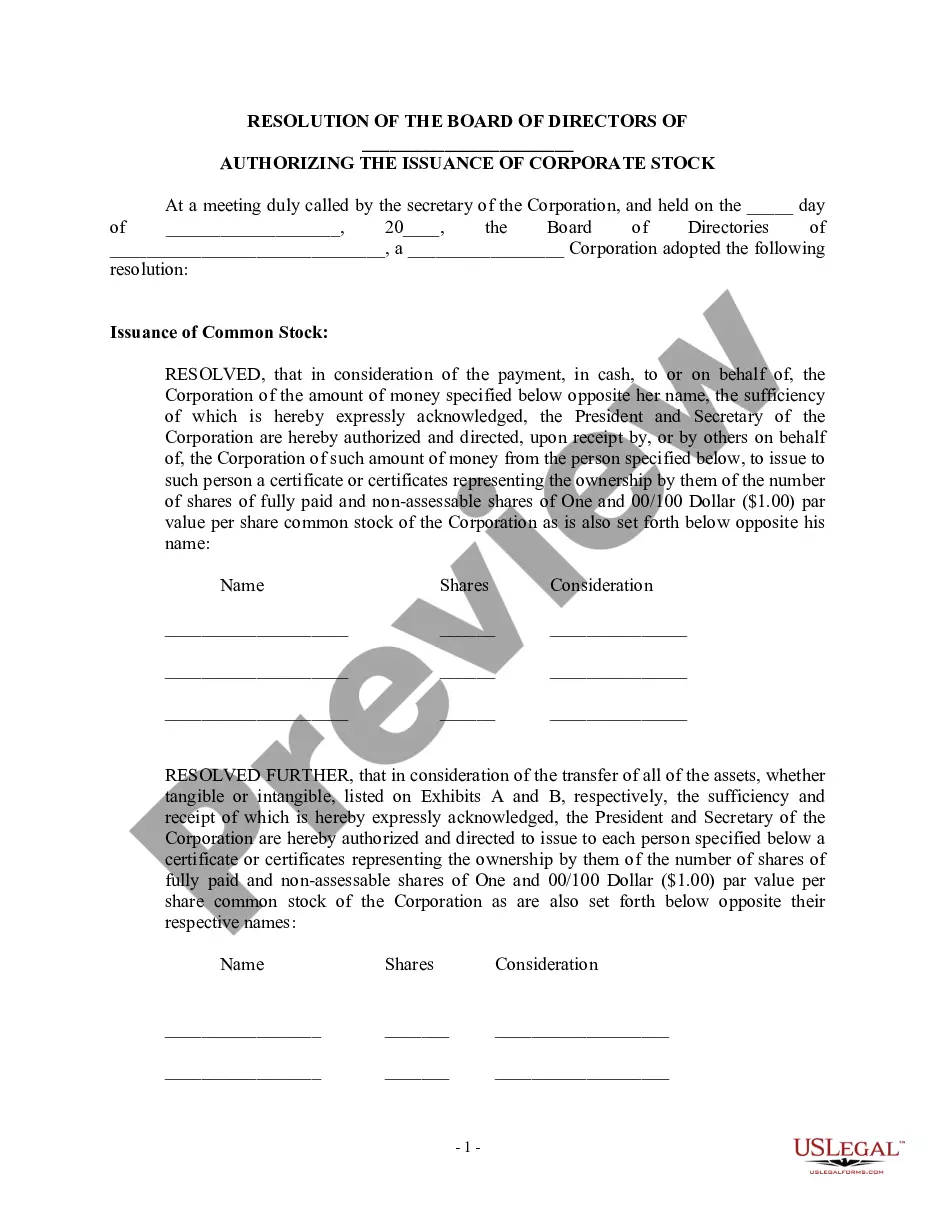
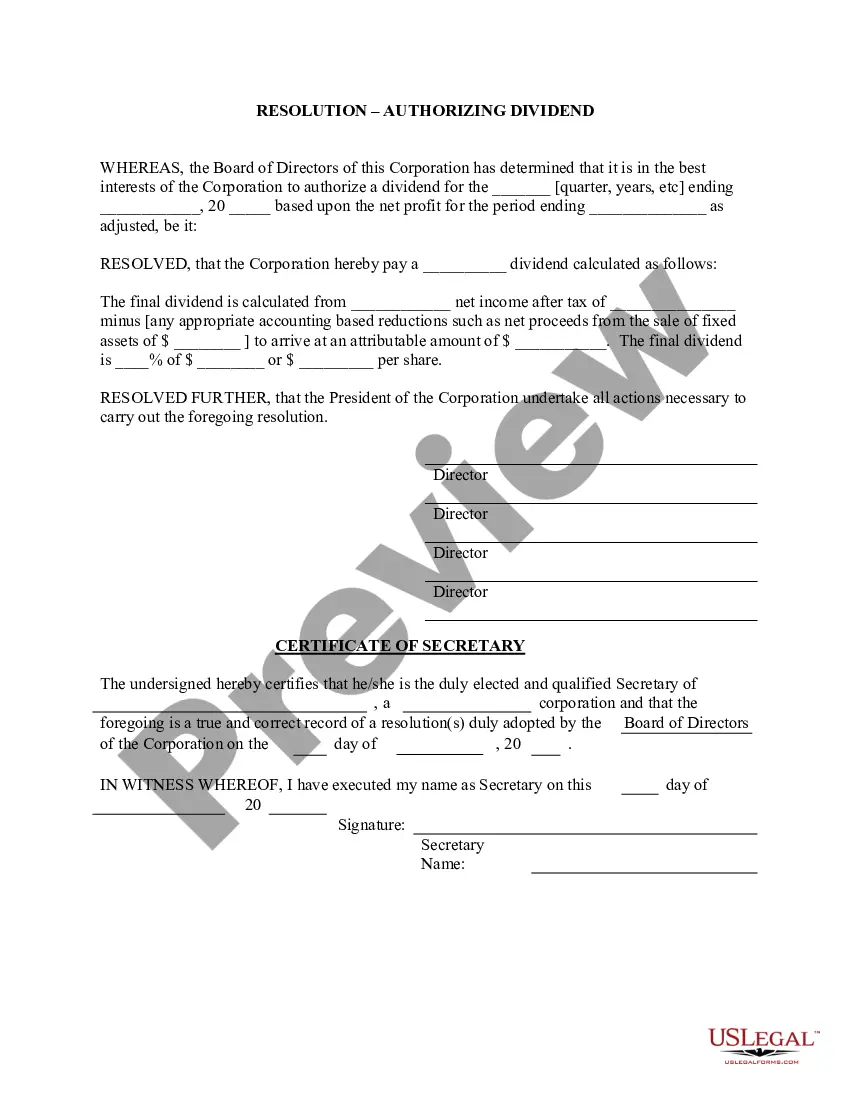
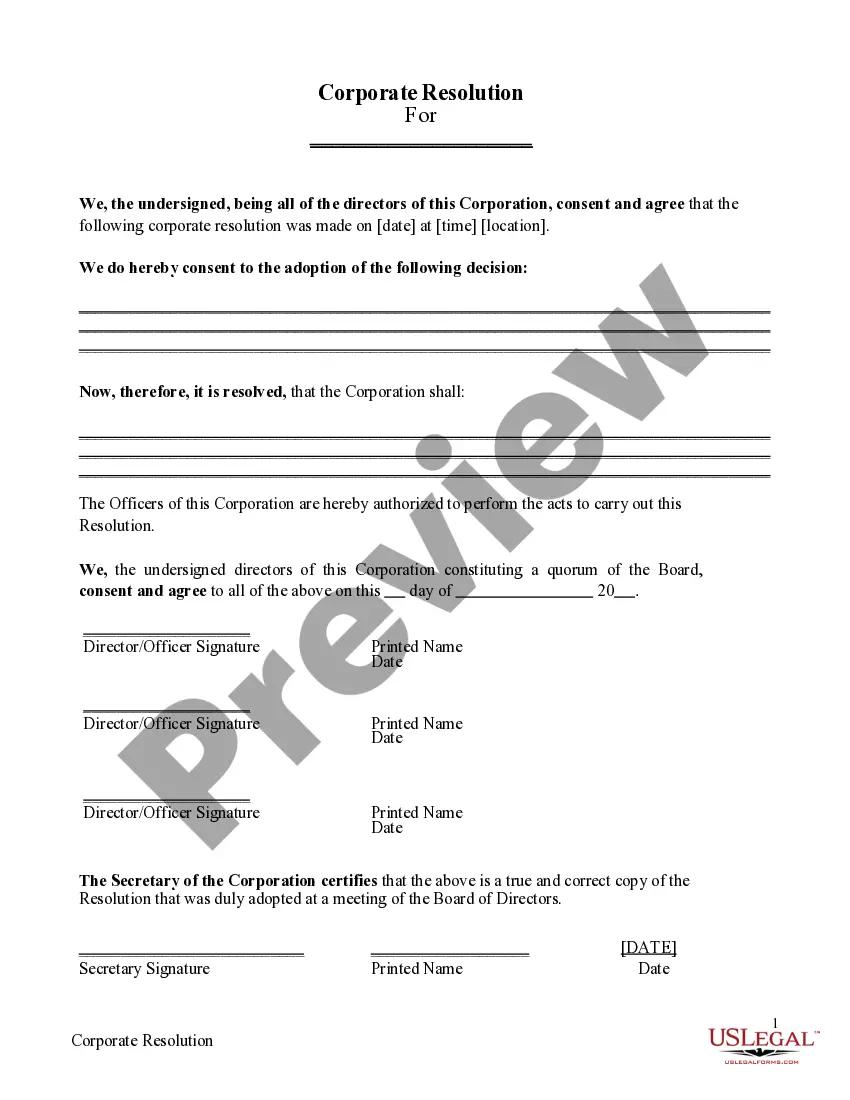
Get your form ready online
Our built-in tools help you complete, sign, share, and store your documents in one place.
Make edits, fill in missing information, and update formatting in US Legal Forms—just like you would in MS Word.
Download a copy, print it, send it by email, or mail it via USPS—whatever works best for your next step.
Sign and collect signatures with our SignNow integration. Send to multiple recipients, set reminders, and more. Go Premium to unlock E-Sign.
If this form requires notarization, complete it online through a secure video call—no need to meet a notary in person or wait for an appointment.
We protect your documents and personal data by following strict security and privacy standards.

Make edits, fill in missing information, and update formatting in US Legal Forms—just like you would in MS Word.

Download a copy, print it, send it by email, or mail it via USPS—whatever works best for your next step.

Sign and collect signatures with our SignNow integration. Send to multiple recipients, set reminders, and more. Go Premium to unlock E-Sign.

If this form requires notarization, complete it online through a secure video call—no need to meet a notary in person or wait for an appointment.

We protect your documents and personal data by following strict security and privacy standards.
Looking for another form?








Form popularity
FAQ
The board resolution is a formal document used to track details of an organization's specific decision including who voted, and their role. The board resolution is a legally binding record and is sometimes included in the board meeting minutes.
Board resolutions are formal decisions made by a company's board of directors, typically concerning internal management and operational matters. In contrast, general meeting resolutions involve shareholders and address broader issues like approving financial statements or amending company bylaws.
The title of the resolution must appropriately reflect the intent. Resolutions begin with "Whereas" statements, which provides the basic facts and reasons for the resolution, and conclude with "Resolved" statements which, identifies the specific proposal for the requestor's course of action.
Use formal language to record the resolutions. You will write your board resolutions using “whereas” and “resolved” clauses. “Whereas” statements show the reason for the resolution while “resolved” clauses state the action that will be taken. Your “whereas” statement should lead the reader to the “resolved” clause.
4 min read. Resolution is a form of the word resolve, which means to settle or find a solution to a problem, dispute or contentious matter, or decide firmly on a course of action. Board resolutions are exactly that: a tool boards use to document important actions or policies.
Written resolutions serve as a vital tool for directors when consensus is required without convening a formal meeting. The practice note delves into the statutory framework governing written resolutions, particularly under the Companies Act 2006.
The body of a resolution is written as a long sentence, and starts with the name of the committee, followed by a comma. The remainder of the body of a resolution is divided into two parts: preambulatory clauses and operative clauses.