Patent Trademark Law For Pharmaceutical Companies In Washington
Description

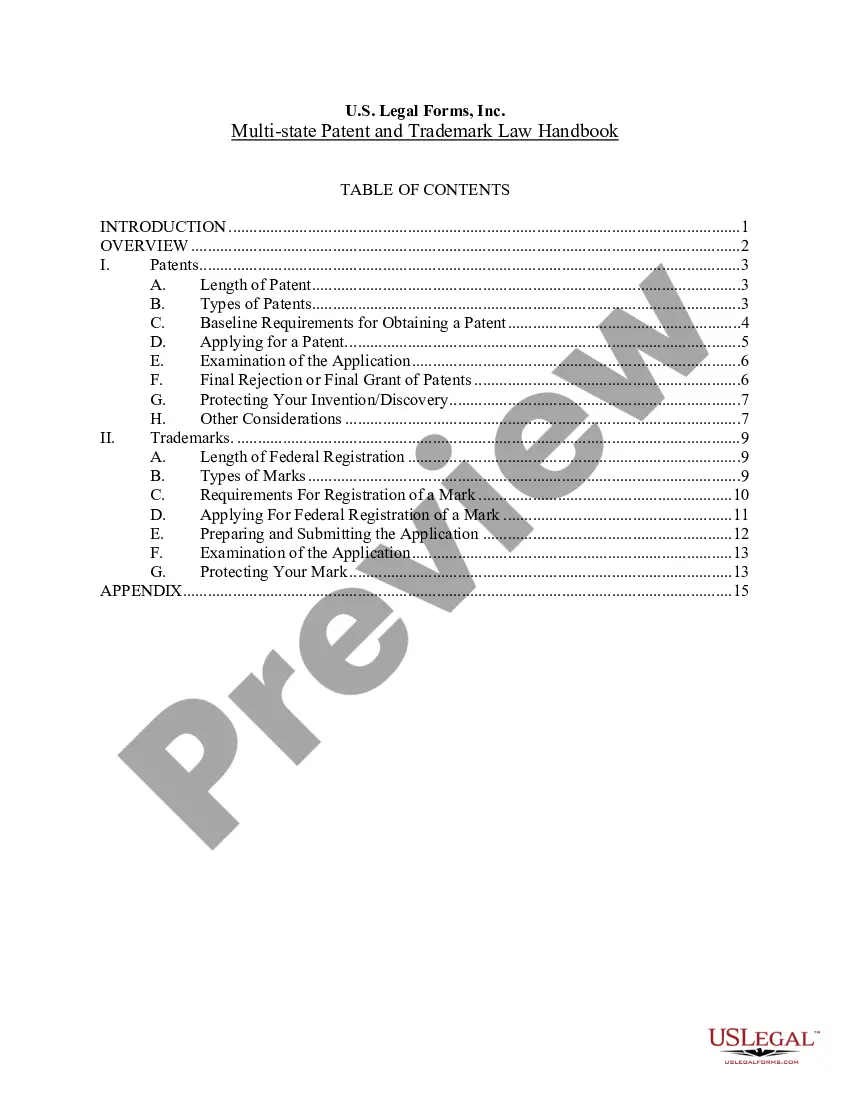
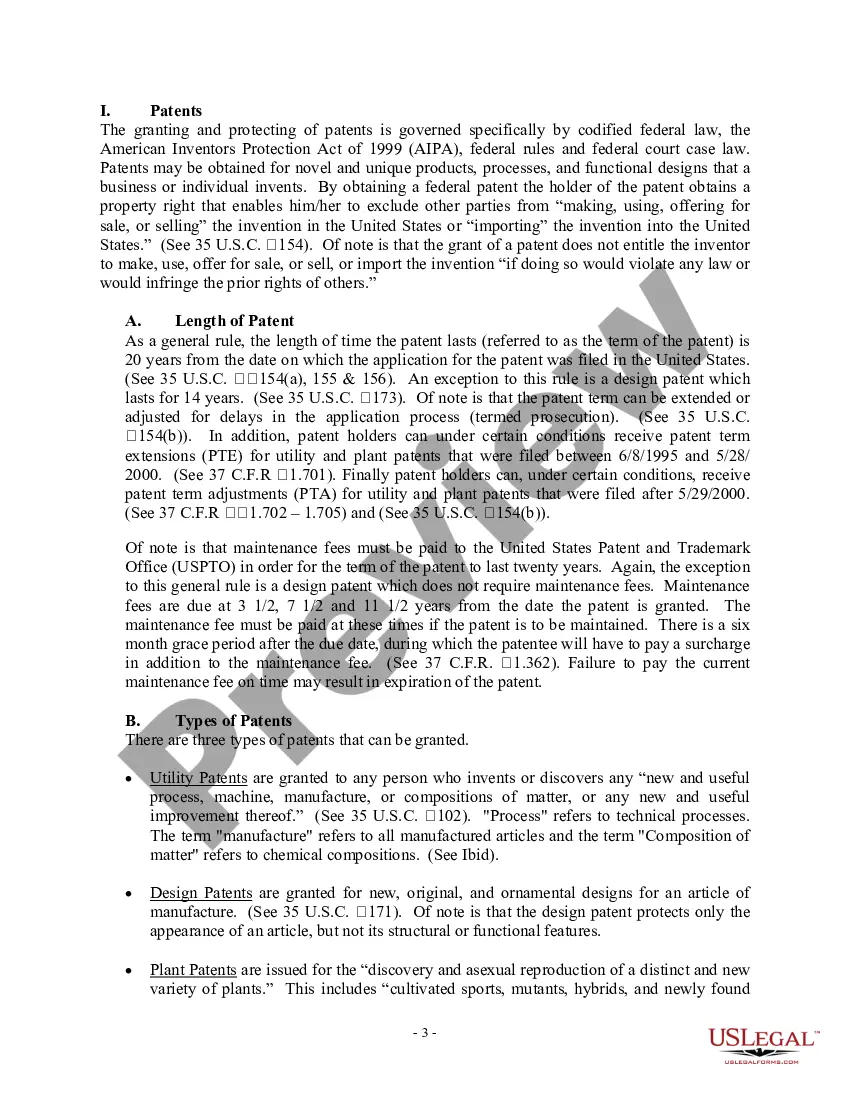


Get your form ready online
Our built-in tools help you complete, sign, share, and store your documents in one place.
Make edits, fill in missing information, and update formatting in US Legal Forms—just like you would in MS Word.
Download a copy, print it, send it by email, or mail it via USPS—whatever works best for your next step.
Sign and collect signatures with our SignNow integration. Send to multiple recipients, set reminders, and more. Go Premium to unlock E-Sign.
If this form requires notarization, complete it online through a secure video call—no need to meet a notary in person or wait for an appointment.
We protect your documents and personal data by following strict security and privacy standards.

Make edits, fill in missing information, and update formatting in US Legal Forms—just like you would in MS Word.

Download a copy, print it, send it by email, or mail it via USPS—whatever works best for your next step.

Sign and collect signatures with our SignNow integration. Send to multiple recipients, set reminders, and more. Go Premium to unlock E-Sign.

If this form requires notarization, complete it online through a secure video call—no need to meet a notary in person or wait for an appointment.

We protect your documents and personal data by following strict security and privacy standards.
Looking for another form?






Form popularity
FAQ
The Brief Summary is meant to give a quick understanding of the invention, while the Detailed Description provides the full technical disclosure necessary for enablement and written description requirements.
The five primary requirements for patentability are: (1) patentable subject matter; (2) utility; (3) novelty; (4) non-obviousness; and (5) enablement. Like trademarks, patents are territorial, meaning they are enforceable in a specific geographic area.
The written description requirement requires an inventor to write down how to make and use (i.e., enablement requirement) the invention. The written description includes the text and the drawings. By doing so, after the patent expires, the patent can be used to teach the public how to implement the invention.
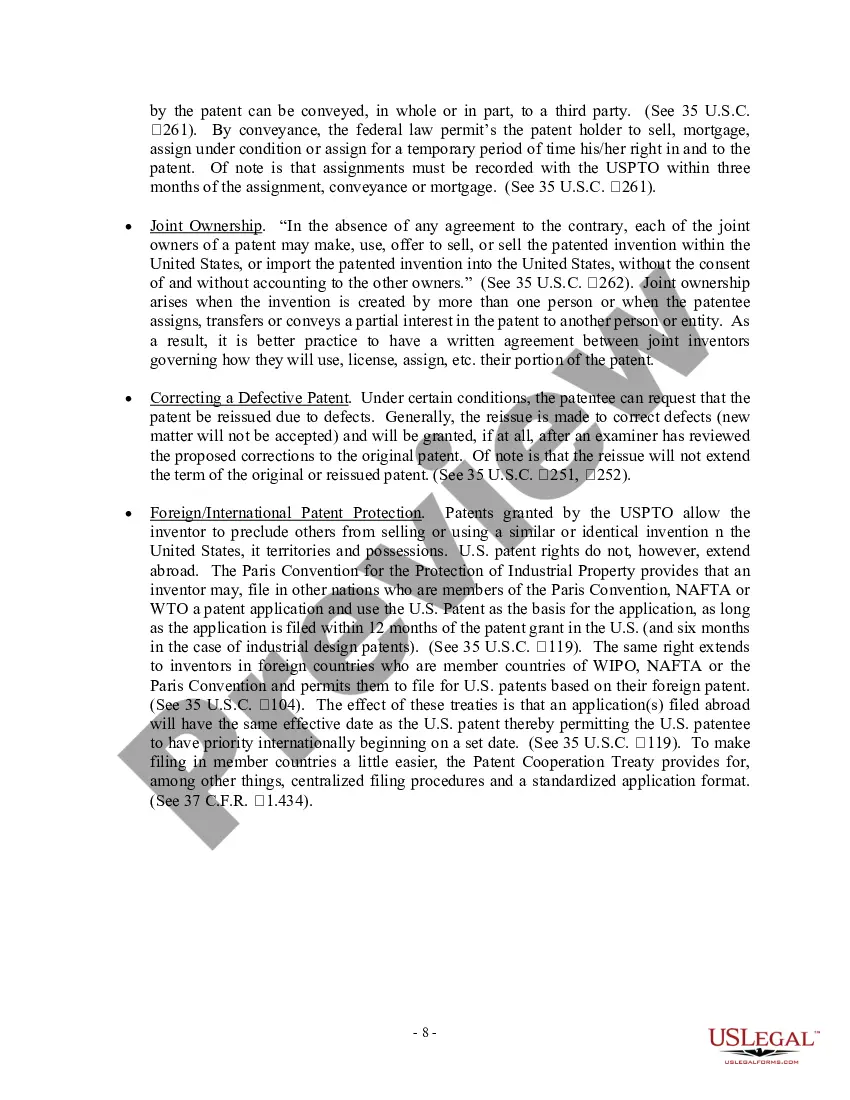
The Description It is a detailed explanation of the invention. It should include all relevant information. It must be sufficiently clear and complete to be understood by others; such as to allow a person reasonably skilled in the same art to be able to fully replicate the invention without needing further details.
The specification should be in conformity with the requirements of the Patents Act 1992 and Patents Rules 1992, typed or printed on single sided A4 pages with margins of 2 to 3 centimeters. These margins should be blank, and each page should be numbered. Two copies of the specification must be submitted.
The detailed description should provide clear support or antecedent basis for all terms used in the claims so that the meaning of the claim terms in the claims may be ascertainable by reference to the description. It can be helpful to draft your claims first.
Structure of the specification A patent specification normally has the following parts in the order given: A title to identify the invention. A statement as to the field to which the invention relates. An explanation of the background “state of the art” – what was already known prior to the invention.
A patent is the main design of Intellectual Property Rights employed in the pharmaceutical industry. Claims of patents in India are imposed under the Patents Act of 1970. The goal of patent authorization is to inspire and progress in the industry and associated modern technologies.
In order to protect these significant efforts and investments, pharmaceutical companies rely heavily on the exclusivity granted by intellectual property rights, and in particular, patents.
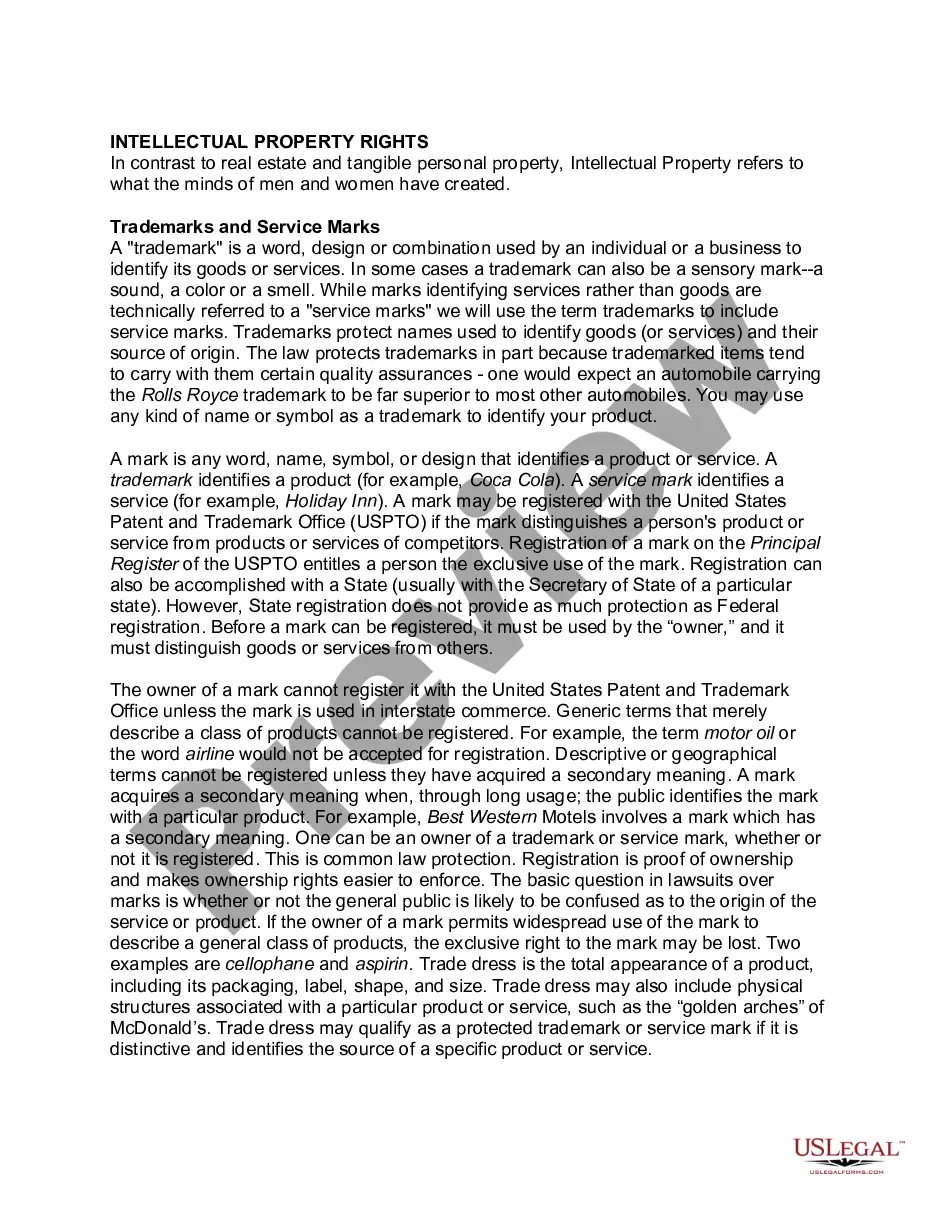
A patent is the granting of a property right by a sovereign authority to an inventor. This grant provides the inventor exclusive rights to the patented process, design, or invention for a designated period in exchange for a comprehensive disclosure of the invention.