Patent For Paper In Virginia
Description

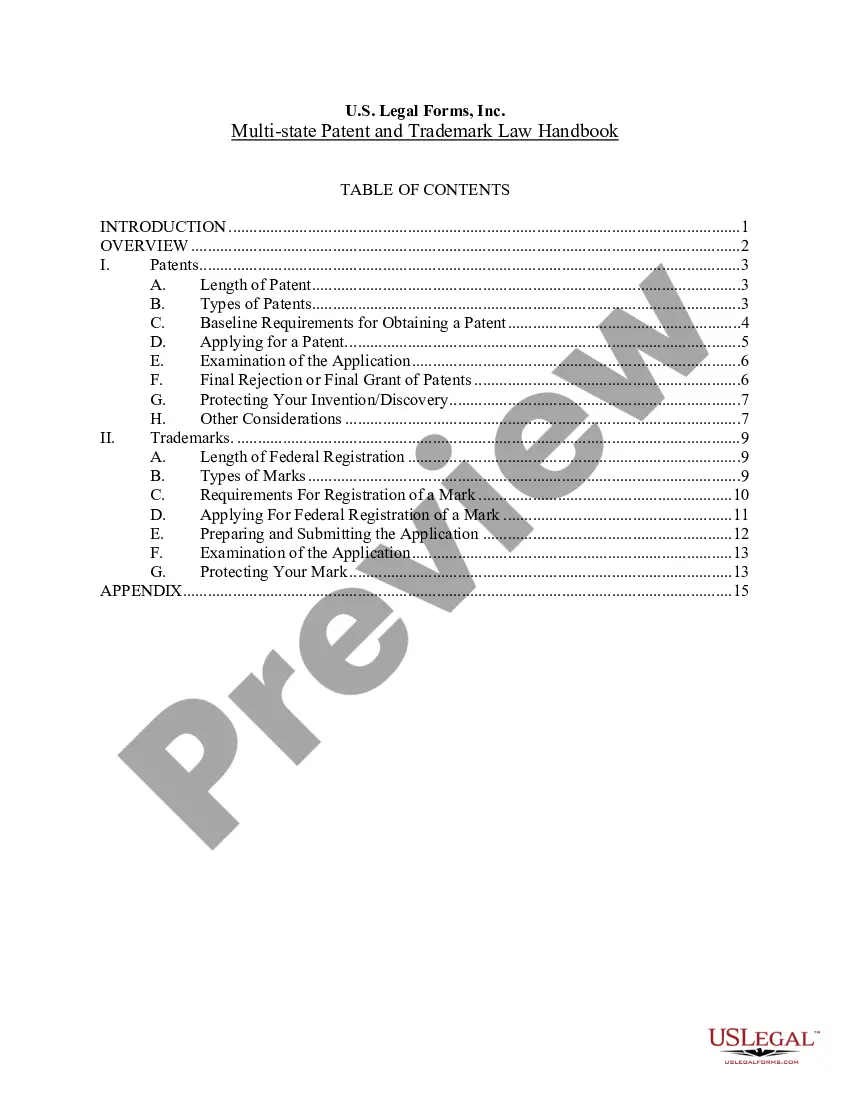
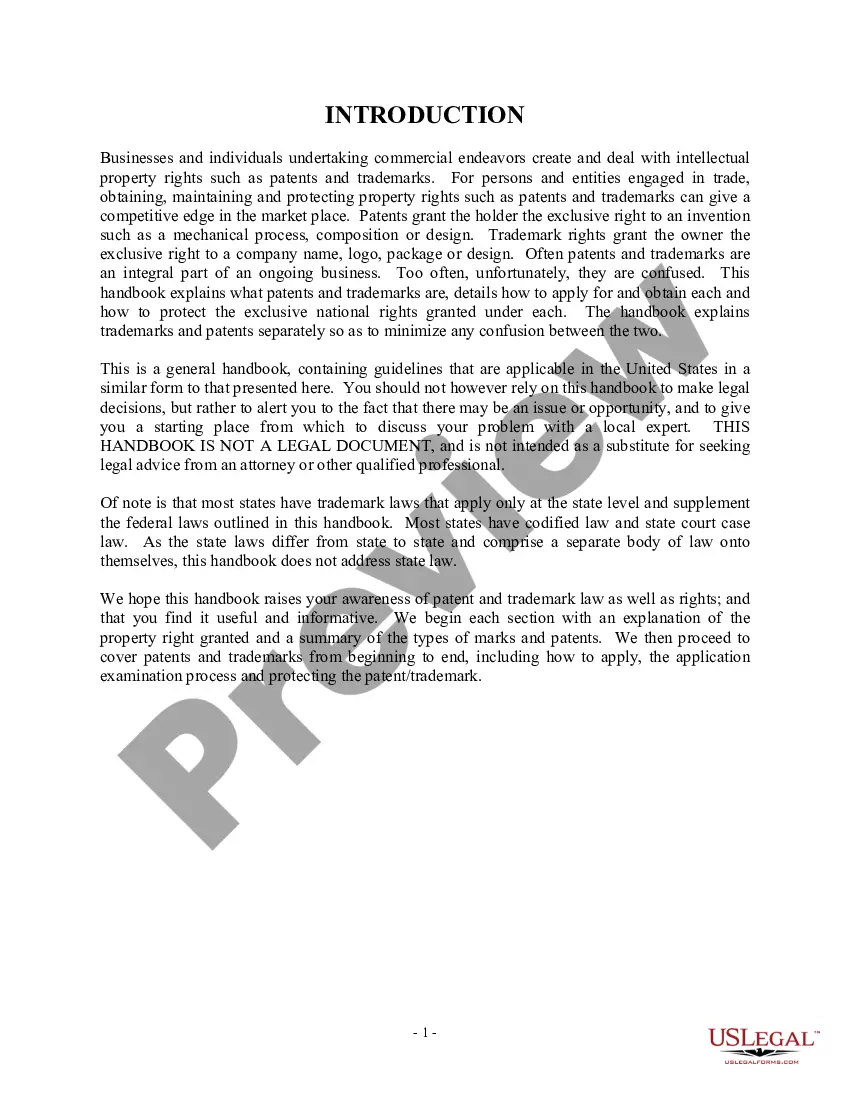
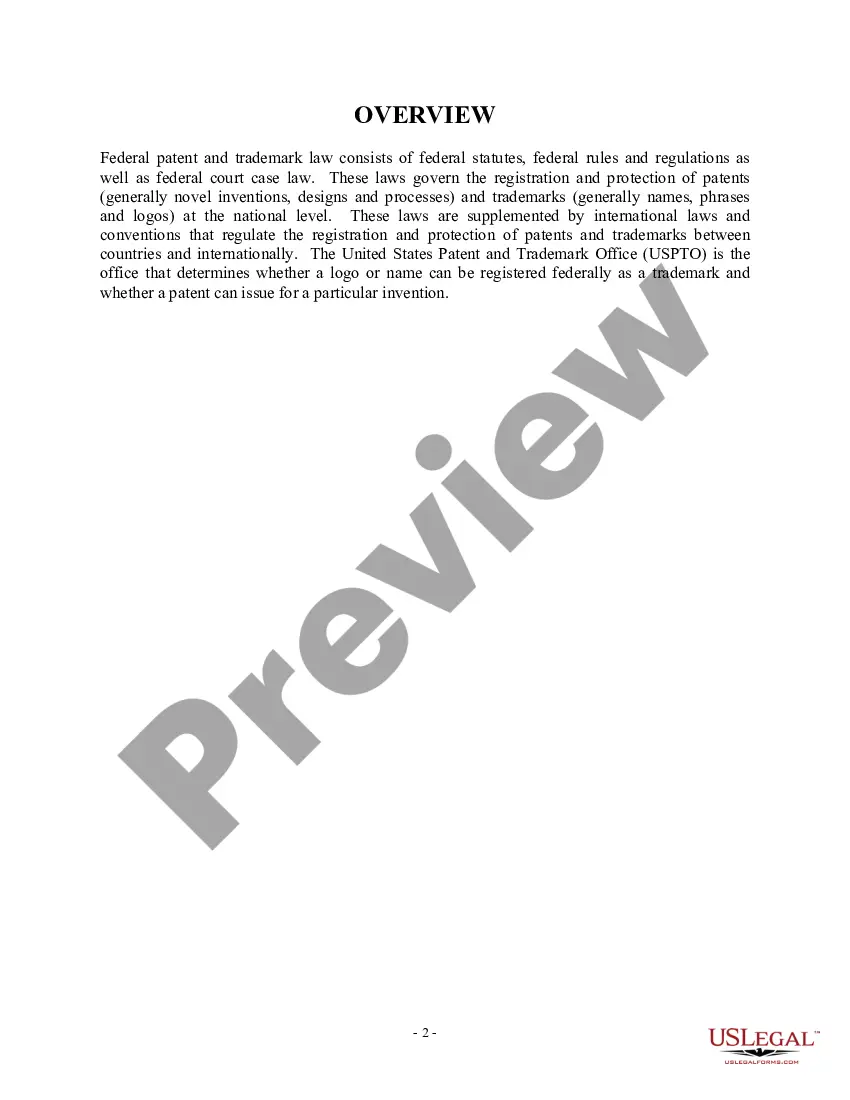
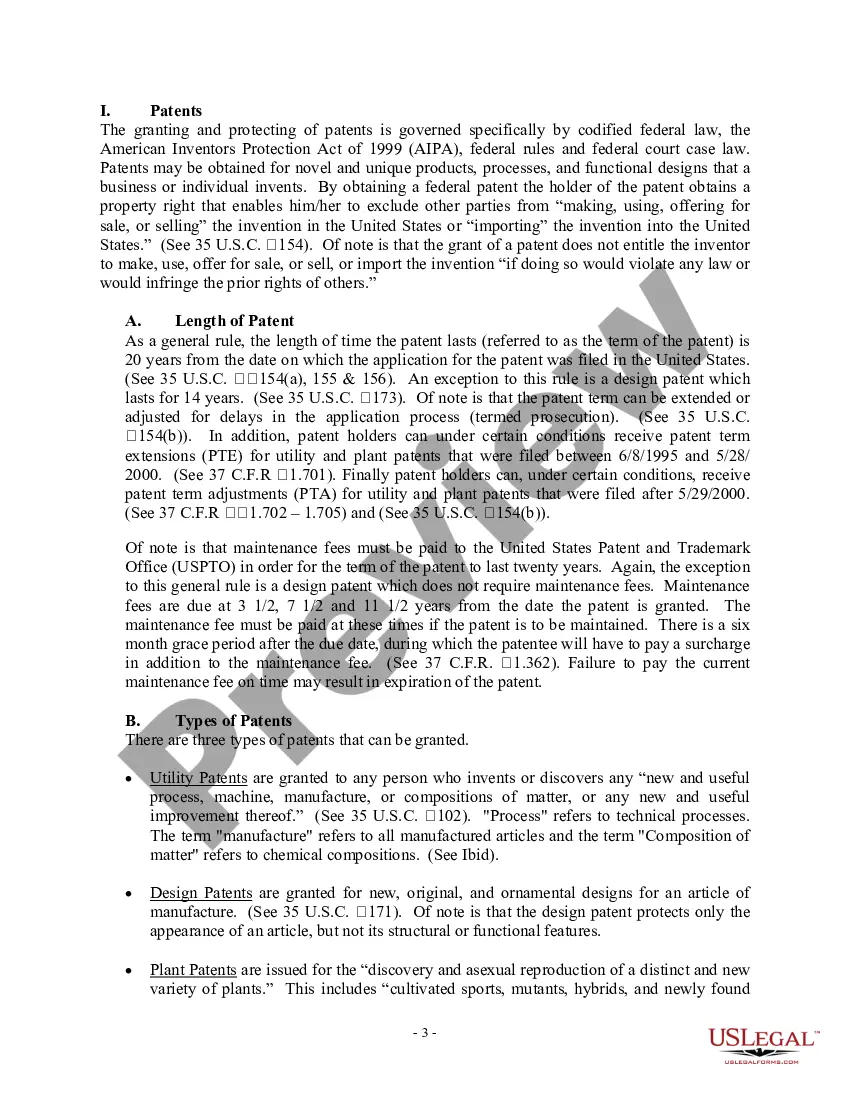



Get your form ready online
Our built-in tools help you complete, sign, share, and store your documents in one place.
Make edits, fill in missing information, and update formatting in US Legal Forms—just like you would in MS Word.
Download a copy, print it, send it by email, or mail it via USPS—whatever works best for your next step.
Sign and collect signatures with our SignNow integration. Send to multiple recipients, set reminders, and more. Go Premium to unlock E-Sign.
If this form requires notarization, complete it online through a secure video call—no need to meet a notary in person or wait for an appointment.
We protect your documents and personal data by following strict security and privacy standards.

Make edits, fill in missing information, and update formatting in US Legal Forms—just like you would in MS Word.

Download a copy, print it, send it by email, or mail it via USPS—whatever works best for your next step.

Sign and collect signatures with our SignNow integration. Send to multiple recipients, set reminders, and more. Go Premium to unlock E-Sign.

If this form requires notarization, complete it online through a secure video call—no need to meet a notary in person or wait for an appointment.

We protect your documents and personal data by following strict security and privacy standards.
Looking for another form?







Form popularity
FAQ
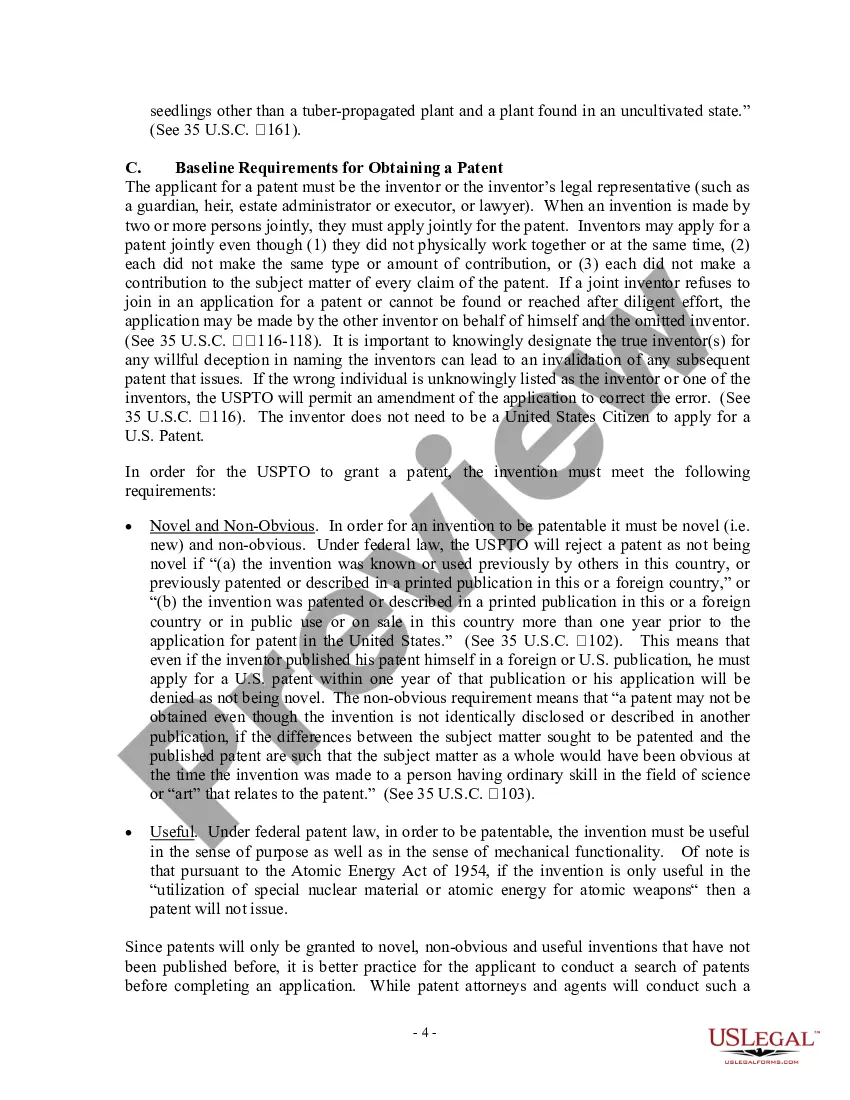
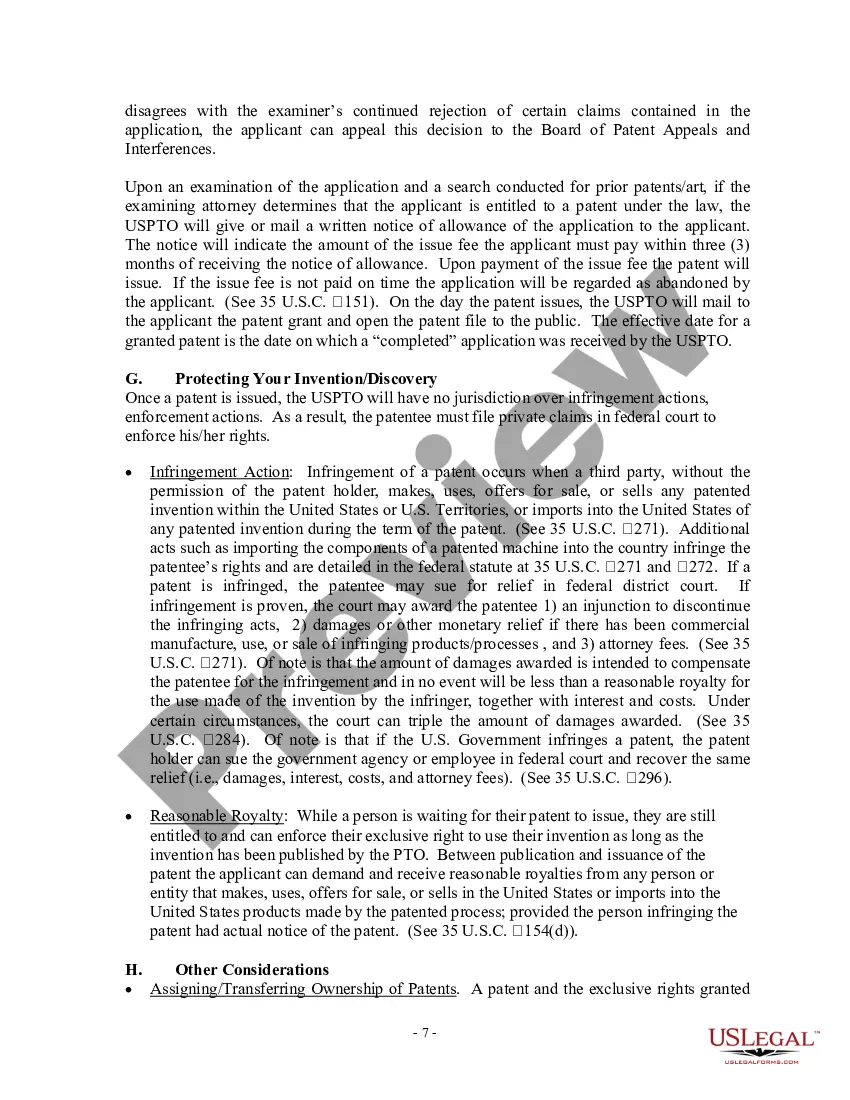
Generally, an invention which has been either published or publicly displayed cannot be patented as such publication or public display leads to lack of novelty.
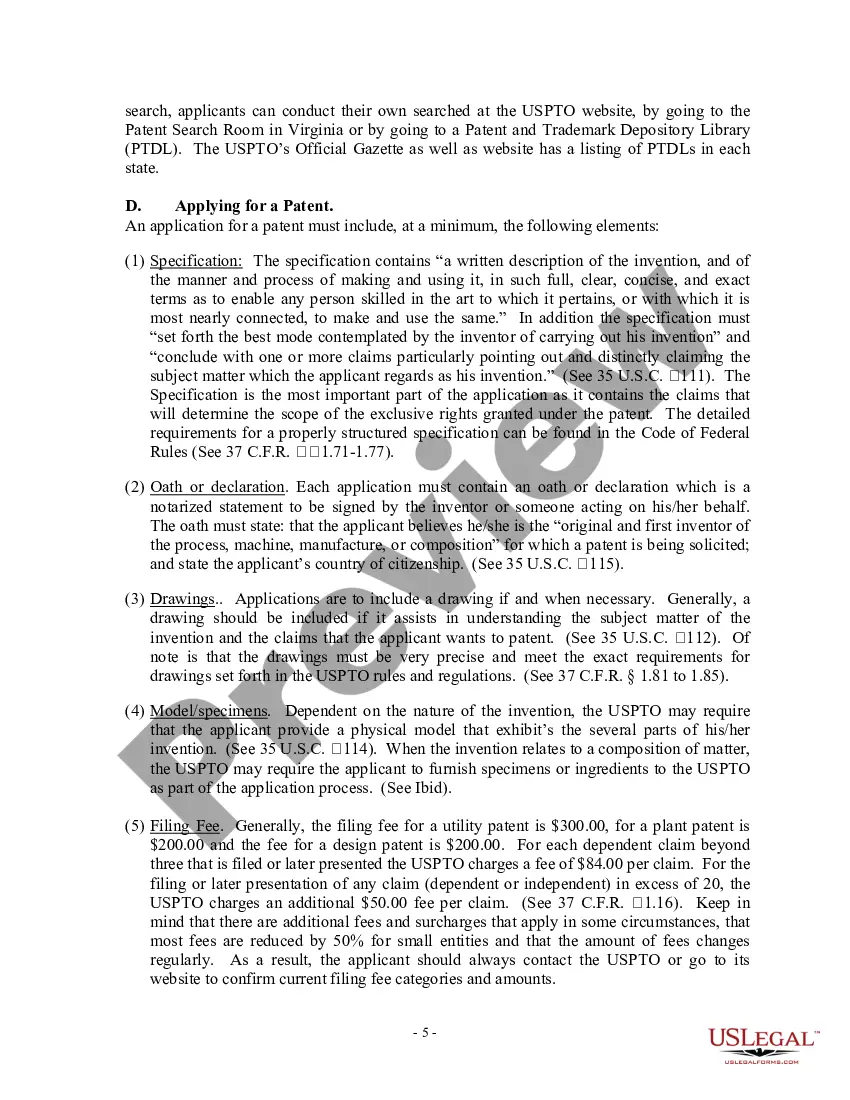
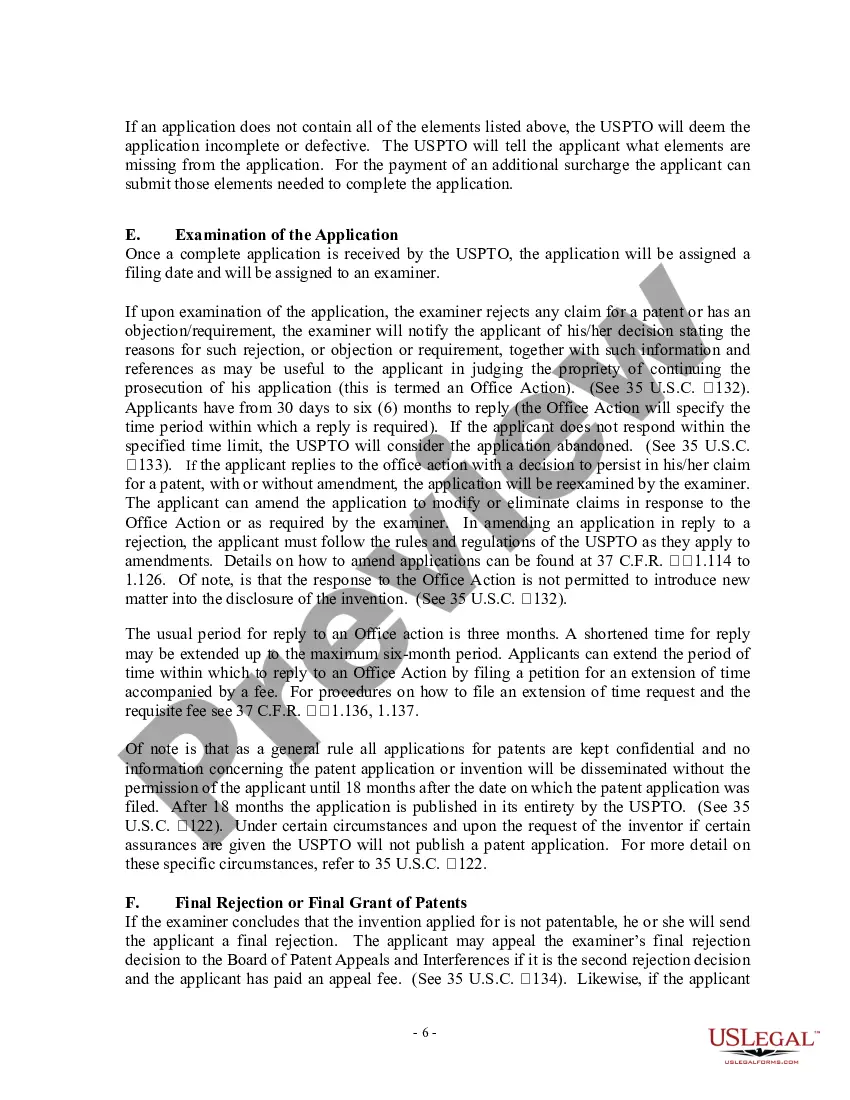
A patent application often includes the following primary sections: Invention Title. The title's objective is to provide a clear understanding of the invention or idea. Prior Art: Context and Novelty. Invention Summary. Drawings and Descriptions. Detailed Description. Claims. Scope. Characteristics.
The five primary requirements for patentability are: (1) patentable subject matter; (2) utility; (3) novelty; (4) non-obviousness; and (5) enablement. Like trademarks, patents are territorial, meaning they are enforceable in a specific geographic area.
Under the “first to file” system, there exists no value in obtaining a Poor Man's Patent since it now only matters who filed for the patent first and not who came up with the idea first. Essentially, a Poor Man's Patent has about as much value today as the postage affixed to the envelope.
The Poor Man's Patent Is Obsolete Being the first to invent will no longer save you is someone else filed first. So even if you did write out the idea for your invention and mailed it to yourself, that date would not matter.
How can academics get their research patented? Step 1: Disclosure of potential IP. Step 2: Preliminary Evaluation & Patent Application. Step 3: Assessment of Application. Step 4: Ownership & IP Protection. Step 5: Completion.
If “No”, furnish the details of the inventor(s) TITLE OF THE INVENTION. AUTHORISED REGISTERED PATENT. AGENT(S) ADDRESS FOR SERVICE OF APPLICANT IN. INDIA. IN CASE OF APPLICATION CLAIMING PRIORITY OF APPLICATION FILED IN CONVENTION. COUNTRY, PARTICULARS OF CONVENTION APPLICATION.
How can academics get their research patented? Step 1: Disclosure of potential IP. Step 2: Preliminary Evaluation & Patent Application. Step 3: Assessment of Application. Step 4: Ownership & IP Protection. Step 5: Completion.
5 Simple Tips on How to Patent Your Research. Strike Early By Prioritizing Patents. Know What Can Be Patented. Conduct a Thorough Patent Search. Choose the Type of Patent Protection. Skillfully Draft Your Patent Application.
To avoid early public disclosure, theses describing patentable research are supposed to be withheld from publication. If you are considering patenting your research, you should temporarily withhold publication of your thesis, including the title and abstract.
