Patent Trademark Law For Beginners In Travis
Description

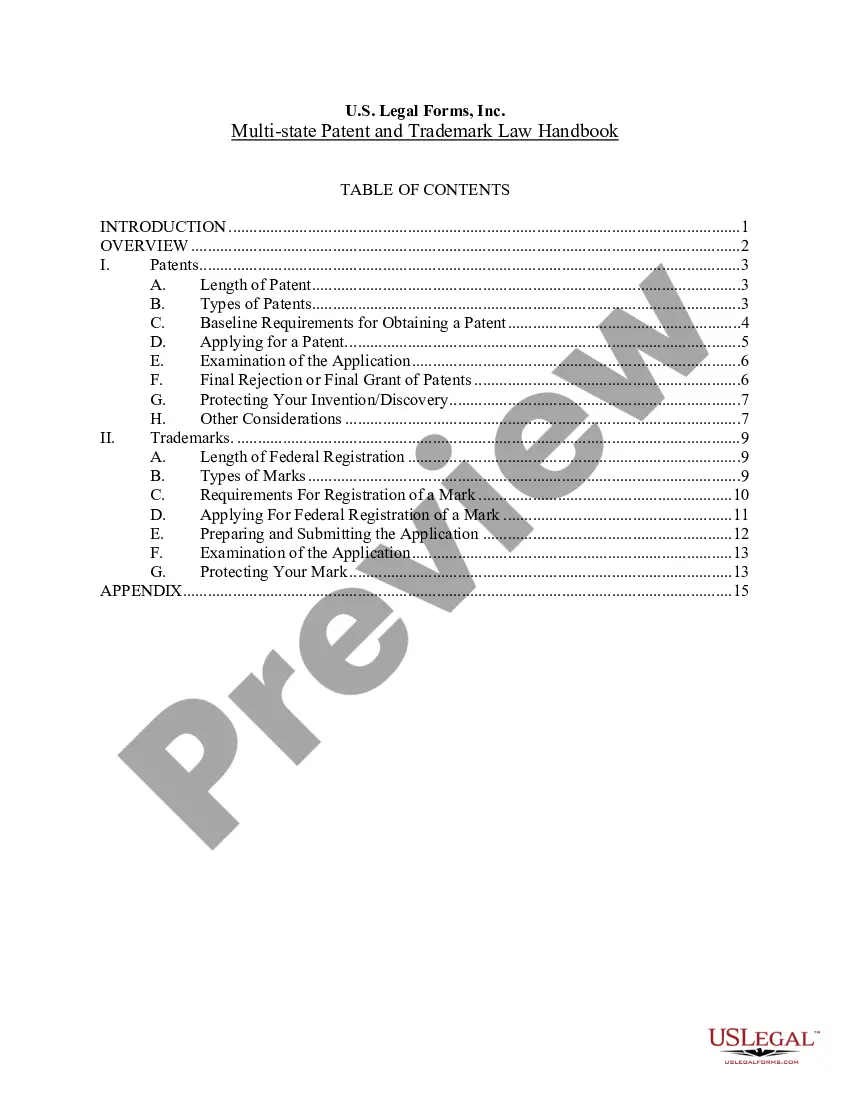
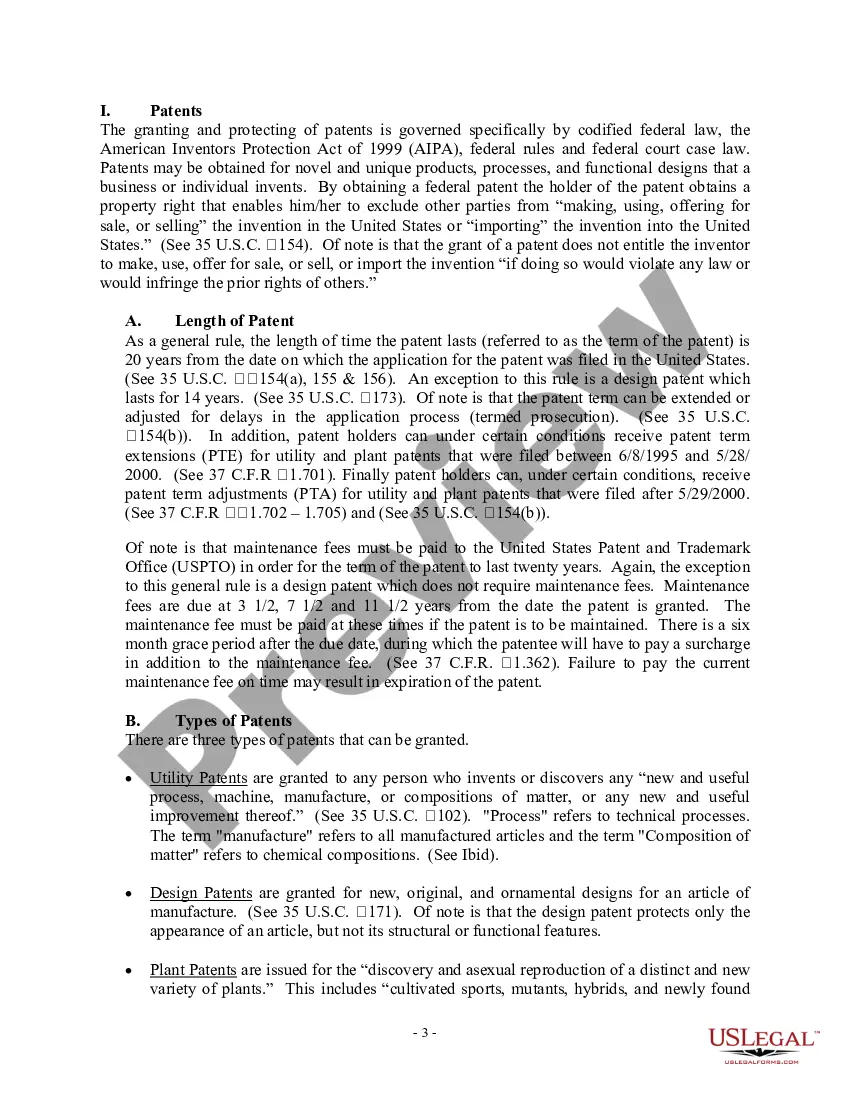


Get your form ready online
Our built-in tools help you complete, sign, share, and store your documents in one place.
Make edits, fill in missing information, and update formatting in US Legal Forms—just like you would in MS Word.
Download a copy, print it, send it by email, or mail it via USPS—whatever works best for your next step.
Sign and collect signatures with our SignNow integration. Send to multiple recipients, set reminders, and more. Go Premium to unlock E-Sign.
If this form requires notarization, complete it online through a secure video call—no need to meet a notary in person or wait for an appointment.
We protect your documents and personal data by following strict security and privacy standards.

Make edits, fill in missing information, and update formatting in US Legal Forms—just like you would in MS Word.

Download a copy, print it, send it by email, or mail it via USPS—whatever works best for your next step.

Sign and collect signatures with our SignNow integration. Send to multiple recipients, set reminders, and more. Go Premium to unlock E-Sign.

If this form requires notarization, complete it online through a secure video call—no need to meet a notary in person or wait for an appointment.

We protect your documents and personal data by following strict security and privacy standards.
Looking for another form?








Form popularity
FAQ
Trademark rights generally belong not to the first trademark filer, but the first user. In the US, trademark rights generally go to one who was first to use the mark in commerce, meaning that whoever was first to use a mark on certain goods or services would be presumed the lawful owner of the trademark.
The doctrine allows legitimate purchasers of a product to do whatever they want with it—use it, dispose of it, or sell it. As described, “'the right of a producer to control the distribution of its trademarked product does not extend beyond the first sale of the product.
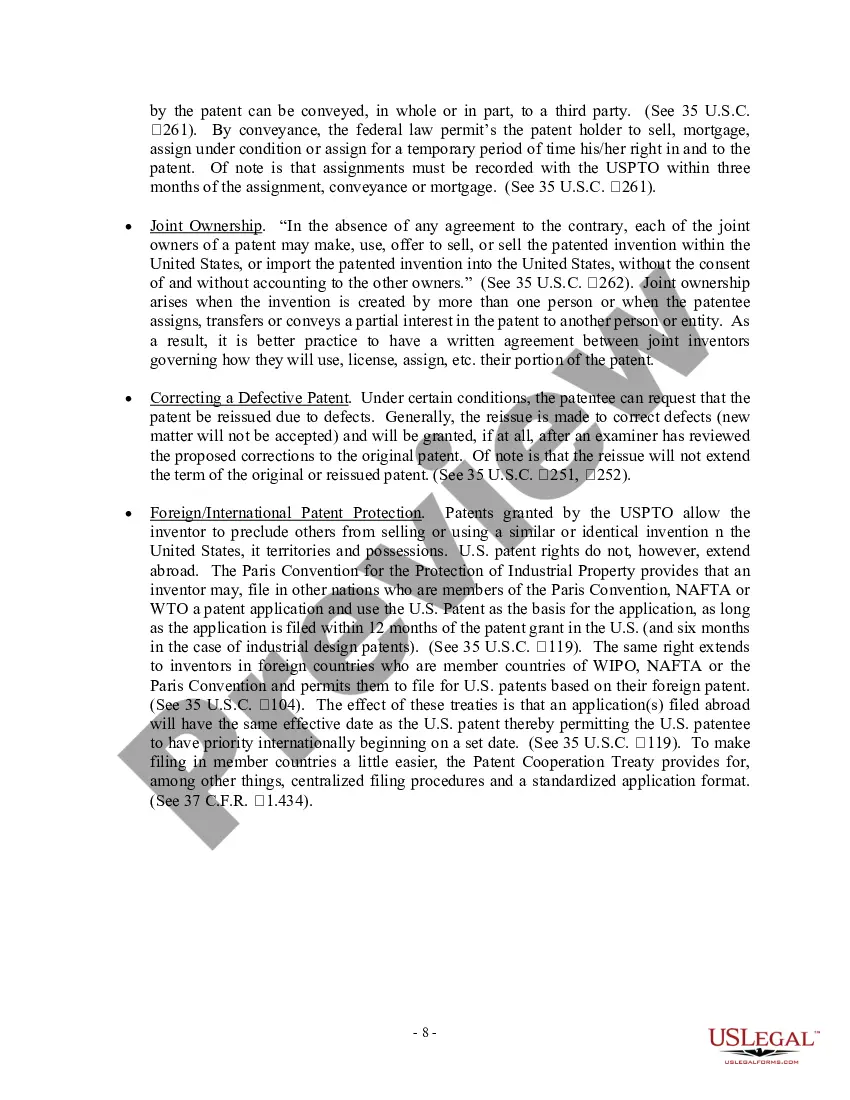
A patent allows the creator of certain kinds of inventions that contain new ideas to keep others from making commercial use of those ideas without the creator's permission. Trademarks, on the other hand, are not concerned with how a new technology is used.
The earliest known trademark is said to be the Bass Ale triangle, depicted on beer bottles in the 1882 painting by French artist Édouard Manet, A Bar at the Folies-Bergère. A Bar at the Folies-Bergère, Édouard Manet, 1882.
First Use means the initial or first-time use of a product by the Government. “Fixed expiration” means the date the warranty expires and the Contractor's obligation to provide for a remedy or corrective action ends.
While patent law focuses on granting exclusive rights to inventors for their inventions, copyright law protects original works of authorship, and trademark law safeguards the names, logos, and symbols that distinguish goods and services in the marketplace.
There are exceptions, but the general rule is that rights belong to the one who was first to use a trademark, not the first to file. That being said, does filing first even matter? Actually, it matters a great deal. Need help protecting your trademarks?
The TM symbol is used when an application for trademark is made with the trademark registry. The TM symbol is thus used to indicate the fact that a trademark application exists with respect to the trademark and serves as a warning for infringers and counter-fitters.
Documents Required Incorporation Certificate. If the trademark is registered under a company or LLP. Partnership Deed. If the trademark is registered under a partnership firm. PAN Card. Of the authorised signatory. Aadhaar Card. Of the authorised signatory. Form-48 Signed. Logo. MSME Certificate. GST Registration.
Under the “first to file” system, there exists no value in obtaining a Poor Man's Patent since it now only matters who filed for the patent first and not who came up with the idea first. Essentially, a Poor Man's Patent has about as much value today as the postage affixed to the envelope.
